

 Preview
 Send
Send Share
Share
 Details

 Download
 Similars
 X-Ray
X-Ray Diaporama
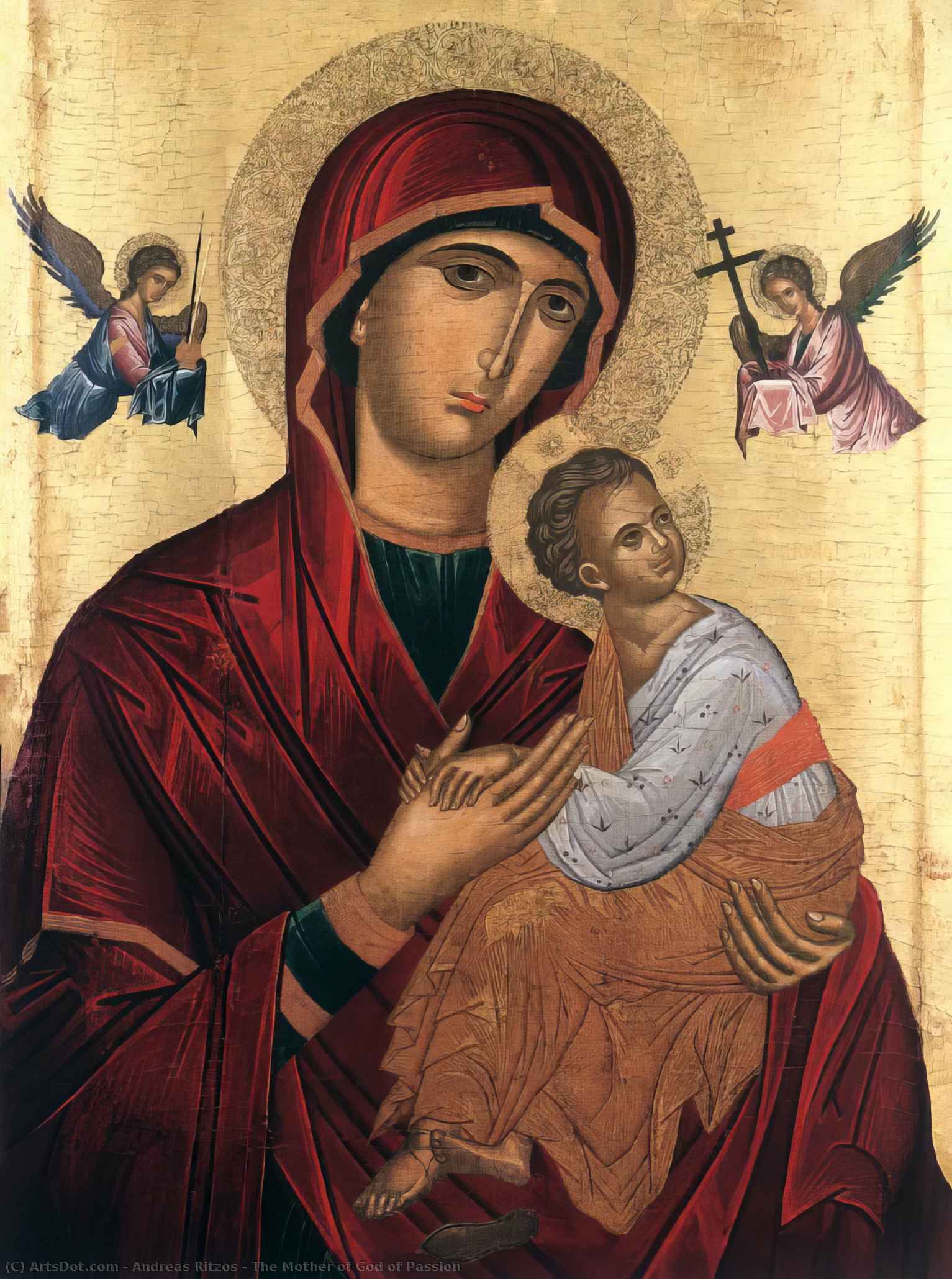
The Mother of God of Passion
 1490
1490 82.0 x 62.0 cm
 Ikonen-Museum
 Read More
Purchase a high-resolution, enhanced digital image, far superior to the online preview.
Each file is meticulously prepared by our in-house specialists using advanced tools and expert manual retouching. We ensure every image has exceptional clarity, precise color accuracy, and fine detail.
The final file is delivered via email within 72 hours, optimized for immediate use in professional, editorial, and print environments. This is the same quality trusted by top-tier design studios, publishers, and galleries.
Digital Image
Download a high-resolution file for personal display, printing, and creative projects. ( Buy Print Buy Hand Made Painting)
Included in Every Digital Image Order
Expert Digital Delivery, Guaranteed
When you choose ArtsDot.com, you're not just getting an image - you're receiving a professionally enhanced digital artwork, crafted with precision and backed by a satisfaction guarantee. Here's everything that comes with your order, automatically:

Fast Email Delivery
Your high-resolution digital image file will be emailed to you within 72 hours of ordering - ready for immediate use.

AI-Enhanced Digital File
Your artwork is professionally optimized using advanced AI tools and manual editing, ensuring maximum detail, clarity, and color accuracy.

Free Lifetime Re-Delivery
Accidentally deleted or lost your file? No worries - we'll resend it to you anytime, free of charge.

No Import Fees - Ever
Enjoy your artwork instantly with zero customs, duties, or delivery fees - digital downloads are always tax-free.

Color Accuracy Guarantee
We ensure your digital image reflects the original colors as closely as possible using professional tools and color management.

60-Day Satisfaction Guarantee
If you're not satisfied with your digital image, we'll revise it or refund 100% within 60 days - no questions asked.

100% Money-Back Guarantee
Not satisfied? Get a full refund within 60 days of receiving your digital file - no questions asked.

Bulk Order Discounts
Buy 3 images, save 10% - Buy 5, save 15% - Buy 10+, save 20%. Great for creative projects, galleries, and agencies.
Related Artworks
Artist Biography
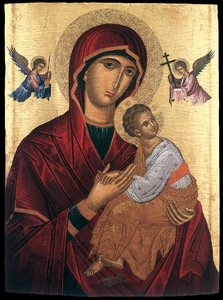
Andreas Ritzos: A Master of the Cretan School
Andreas Ritzos (1421-1492) stands as a pivotal figure in the history of Greek art, particularly renowned for his contributions to the vibrant and influential Cretan School of icon painting. Born in Iraklion, Crete – a city steeped in Byzantine tradition yet increasingly exposed to Western European influences – Ritzos’s life coincided with a period of remarkable artistic transformation. His work represents a fascinating synthesis of deeply rooted Byzantine iconography with emerging Renaissance techniques, establishing him as one of the most significant artists bridging these two worlds. He wasn't merely a painter; he was a custodian and innovator, shaping the visual language of Orthodox Christianity in Crete for generations to come.
Ritzos’s early life remains somewhat shrouded in mystery, though it is known that his father, Nicholas Ritzo, was a skilled seaman and jeweler. This lineage likely instilled within him an appreciation for craftsmanship and detail – qualities that would become hallmarks of his artistic style. He received his initial training from Angelos Akotantos, a highly respected icon painter who served as a crucial mentor in shaping Ritzos’s early development. Akotantos's influence is evident in Ritzos’s adherence to the traditional maniera greca—a stylistic approach characterized by its emphasis on elegant drapery, idealized figures, and a restrained palette of gold, red, and blue. However, unlike many of his contemporaries who remained firmly rooted in established Byzantine conventions, Ritzos demonstrated a willingness to experiment with Venetian influences, particularly in terms of perspective and the depiction of natural forms.
The Maniera Greca and Artistic Style
At the heart of Ritzos’s artistic identity lies the ‘maniera greca,’ a term that encapsulates his distinctive approach to icon painting. This style wasn't simply imitation; it was a deliberate reimagining of Byzantine aesthetics, informed by both classical ideals and contemporary trends. The maniera greca is characterized by its graceful, flowing drapery—often rendered with an almost liquid quality—and the use of elongated figures that convey a sense of movement and dynamism. Ritzos masterfully employed gold leaf to create luminous backgrounds and highlight key elements within his compositions, imbuing them with a profound spiritual radiance.
Unlike some of his predecessors who favored stark contrasts and bold colors, Ritzos’s palette was generally more restrained, relying on subtle gradations of hue and the interplay of light and shadow to create depth and atmosphere. His meticulous attention to detail—evident in the rendering of facial features, hands, and garments—demonstrates a remarkable level of technical skill. Furthermore, Ritzos's work is distinguished by its psychological depth; his figures possess an expressive quality that invites viewers to contemplate their inner lives and spiritual journeys.
Notable Works: The Madonna and Child
Ritzos’s most celebrated works are undoubtedly his depictions of the Virgin Mary and Child. These paintings—including “Mother of God Enthroned” (1480) – exemplify his artistic prowess and represent some of the finest examples of Cretan icon painting. In these compositions, Ritzos skillfully captures the maternal tenderness and divine grace of the Theotokos, imbuing her image with an aura of serenity and compassion. The use of gold leaf to highlight Mary’s garments and halo further enhances the sacredness of the scene, while the carefully rendered details of the infant Christ—his tiny hands reaching out in a gesture of trust—evoke a powerful sense of connection between mother and child.
The “Jesus Hominum Salvator” (1470s), a tempera painting featuring the Christogram IHS, is another significant work. This icon showcases Ritzos’s innovative approach to incorporating symbolic elements into his compositions. The placement of the Christogram within the letters of the name ‘IHS’ demonstrates his artistic ingenuity and his ability to seamlessly blend traditional iconography with contemporary artistic trends. The intricate details of the figures—the weeping Virgin, the angel collecting the blood, and the bewildered guards—create a compelling narrative that invites viewers to contemplate the mysteries of faith and redemption.
Legacy and Influence
Andreas Ritzos’s influence on subsequent generations of Cretan icon painters is undeniable. His work served as a model for artists such as Georgios Klontzas, Nikolaos Tzafouris, and even El Greco—a testament to his enduring artistic legacy. El Greco, in particular, was deeply influenced by Ritzos's use of elongated figures, dramatic lighting, and expressive gestures. While El Greco ultimately developed his own distinctive style, the foundations of his art can be traced back to the innovations pioneered by Ritzos.
Ritzos’s legacy extends beyond his individual works; he played a crucial role in preserving and transmitting the traditions of Cretan icon painting during a period of profound cultural change. His dedication to craftsmanship, his artistic innovation, and his spiritual depth have ensured that his work continues to inspire and move viewers centuries after its creation. Sixty of his paintings survive today, offering a rare glimpse into the creative genius of this remarkable artist.
Andreas Ritzos
1421 - 1492 , Greece
Quick Facts
- Artistic Movement Or Style: Maniera Greca
- Artists Or Movements Influenced By This Artist:
- El Greco
- Georgios Klontzas
- Artists Who Influenced This Artist: ['Angelos Akotantos']
- Date Of Birth: 1421
- Date Of Death: 1492
- Full Name: Andreas Ritzos
- Nationality: Greek
- Notable Artworks:
- Mother of God Enthroned
- Jesus Hominum Salvator
- Place Of Birth: Heraklion, Greece

