 Preview
 Send
Send Share
Share
 Details

 Download
 Similars
 X-Ray
X-Ray Diaporama
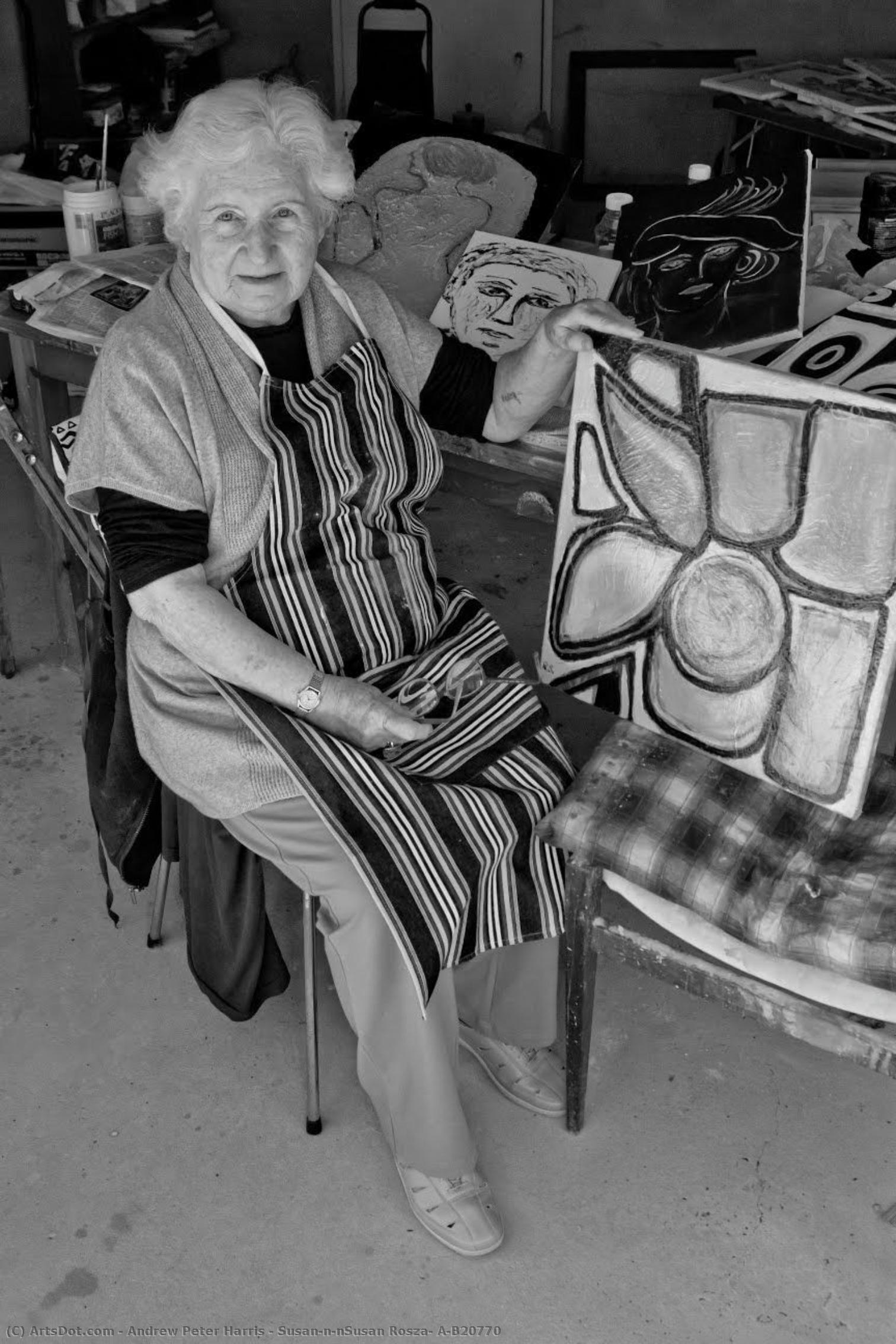
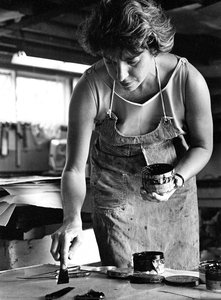
Susan\n\nSusan Rosza, A/B20770


 Read More
Hand Made Oil Reproduction
Hand-painted oil on canvas in your size and frame, made to order by our artists. ( Buy Print Buy Image)




































Pick from our preset sizes that match the artwork's original proportions.

You may enter your own dimensions to fit a specific frame or space. If your selected size does not match the original image's proportions, we will either crop the artwork or extend the painting with additional hand-painted elements. A digital mockup will be sent for your approval before production begins.
Please note that the on-screen preview does not reflect the actual cropping or extension. Only the mockup will accurately show the final composition.
While custom sizes are available, we recommend selecting a dimension from the predefined list to preserve the original proportions.
After order, ArtsDot.com team will email client for instructions and provide a mockup preview
Worldwide Delivery () in 3/4 weeks instead of standard 5 weeks. (22 August). No compromise on quality.

Free Worldwide Express Shipping

High-Quality Linen Canvas

Full Shipping Insurance

Customs Tax Refund Guarantee

True Color Matching Guarantee

60-Day Return Policy (Defects Only)

100% Money-Back Guarantee

Bulk Discount Offer
 Glass option is only available in size under 110 CM

Susan\n\nSusan Rosza, A/B20770
Reproduction Medium
Reproduction Size
-


Total Price
$ 263
Artwork Description
Related Artworks







Artist Biography
Andrew Peter Harris: Bridging Politics and Vision
Andrew Peter Harris is a compelling figure, simultaneously a prominent U.S. Representative for Maryland’s 1st Congressional District and a practicing physician. Born in New York City in 1957, his life has been shaped by both the demands of public service and the deeply personal dedication to healing – experiences that undoubtedly inform the unique perspective evident in his artwork. While perhaps less widely known than some contemporary political artists, Harris’s work offers a fascinating intersection between the tangible realities of governance and the evocative power of visual representation. His background as a physician likely imbues his pieces with an underlying sensitivity to human form and experience, while his role as a politician undoubtedly shapes his engagement with themes of power, identity, and social commentary.
Harris’s artistic journey began in earnest after he moved to Maryland, establishing himself as a practicing physician before transitioning into the political arena. His art is not simply a secondary pursuit; it's an integral part of his creative expression, allowing him to explore complex ideas and emotions beyond the confines of legislative debate. His work frequently draws upon regionalist influences, reflecting a deep connection to the landscapes and people of Maryland – a region rich in history and diverse communities. The use of color, texture, and composition suggests a deliberate effort to capture not just visual likeness but also the spirit and essence of his subjects.
Exploring Themes Through Portraiture
A significant portion of Harris’s artistic output centers around portraiture. These are rarely straightforward depictions; instead, they often feel imbued with layers of meaning. He frequently portrays individuals in moments of contemplation or action, capturing a sense of inner life and emotional resonance. The subjects range from political figures to everyday citizens, suggesting an interest in exploring the complexities of human experience across various social strata. There’s a noticeable tendency toward capturing vulnerability alongside strength – a delicate balance that speaks volumes about his artistic sensibility.
The portraits are often characterized by a restrained palette and a focus on subtle details—a slight shift in expression, the way light falls upon the face, or the texture of clothing. This meticulous attention to detail suggests a desire to convey not just physical likeness but also personality, character, and perhaps even unspoken narratives. His work invites viewers to engage with these subjects on a deeper level, prompting reflection on their stories and experiences.
Influences and Artistic Style
While Harris’s artistic style is distinctly his own, it's clear that he draws inspiration from a variety of sources. The influence of American Regionalism is readily apparent in his use of earthy tones, depictions of rural landscapes, and focus on the lives of ordinary people. There are echoes of Andrew Wyeth’s meticulous observation and psychological depth, as well as hints of Edward Hopper's evocative portrayals of urban solitude. However, Harris doesn’t simply mimic these influences; he synthesizes them into a unique visual language that is both familiar and refreshingly original.
Beyond specific artists, Harris’s work seems to be informed by his own experiences as a physician and politician. The ability to observe closely, empathize with others, and understand the complexities of human behavior – skills honed in his medical practice – undoubtedly contribute to the nuanced portrayals found in his portraits. Similarly, his experience navigating the often-turbulent waters of political life likely shapes his approach to representing power, authority, and social dynamics.
A Contemporary Political Voice
Andrew Peter Harris’s art offers a valuable window into the mind of a contemporary political figure. His work transcends simple partisan messaging, instead presenting a complex and often introspective exploration of human identity, experience, and the challenges of navigating a rapidly changing world. By combining his artistic talents with his public service career, he has created a unique body of work that is both visually compelling and intellectually stimulating.
As an American artist working within the context of contemporary politics, Harris’s art invites viewers to consider the intersection between personal experience and civic responsibility. His portraits are not merely representations of individuals; they are invitations to engage in dialogue about the values, beliefs, and aspirations that shape our society. His work stands as a testament to the power of art to illuminate complex issues and foster greater understanding.
To explore more of Andrew Peter Harris’s evocative art, please visit: /en/artists/andrew-peter-harris-en/
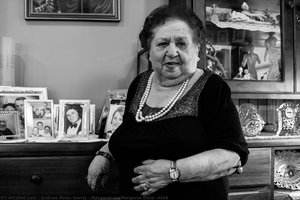
andrew peter harris
1957 - , United States of America
Quick Facts
- Artistic Movement Or Style: Regionalist Painting, Contemporary Politics Art
- Artists Or Movements Influenced By This Artist:
- Political Illustration
- Portraiture
- Artists Who Influenced This Artist:
- Andy Warhol
- David Hockney
- Date Of Birth: January 25, 1957
- Full Name: Andrew Peter Harris
- Nationality: American
- Notable Artworks:
- Kamala Harris Portrait
- Biden-Harris Campaign Art
- Place Of Birth: New York City, USA