 Send
Send Share
Share
 Details

 Download
 Similars
 Diaporama
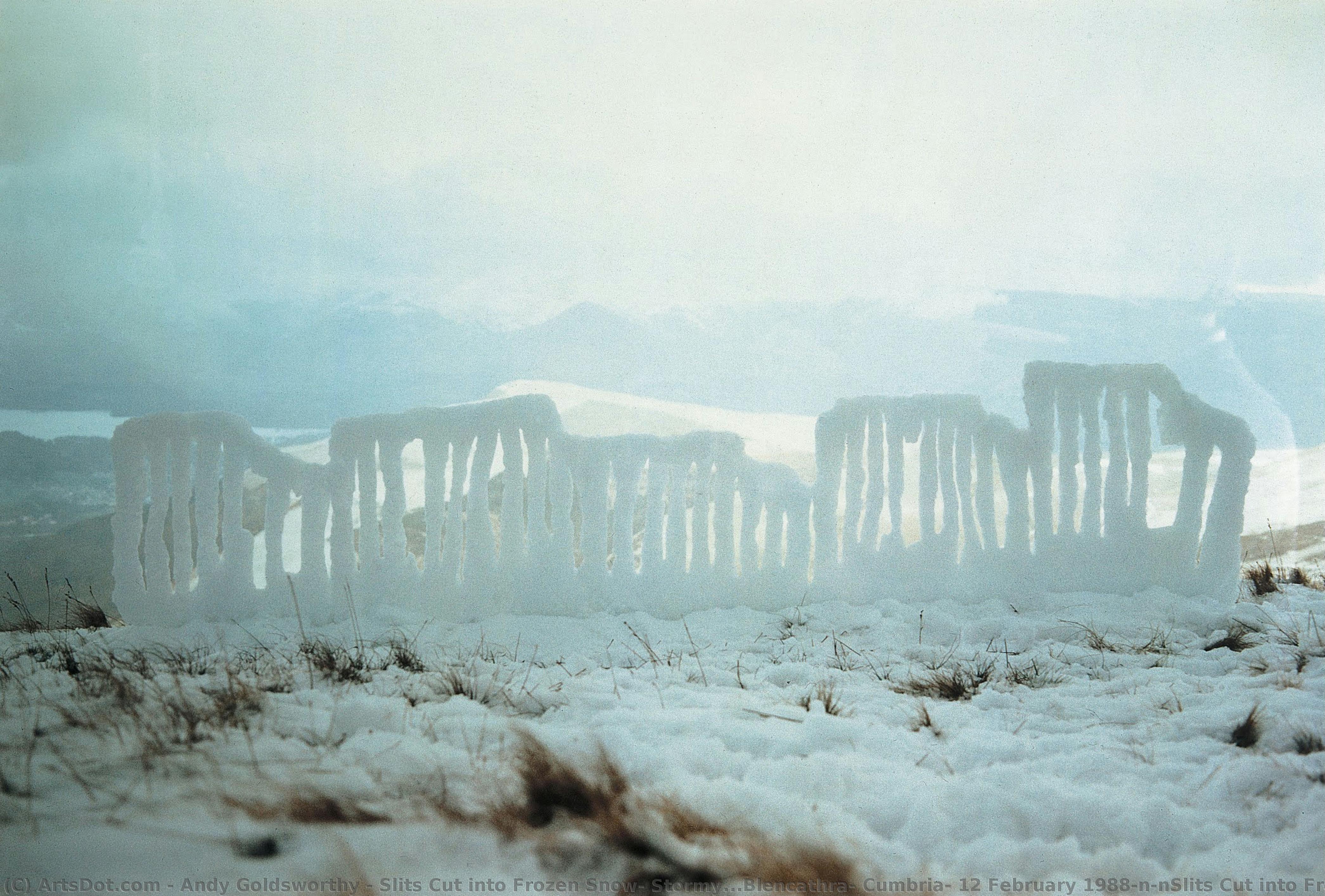
Slits Cut into Frozen Snow, Stormy...Blencathra, Cumbria, 12 February 1988\n\nSlits Cut into Frozen Snow, Stormy...Blencathra, Cumbria, 12 February 1988


 Read More
Hand Made Oil Reproduction
Hand-painted oil on canvas in your size and frame, made to order by our artists. ( Buy Print Buy Image)




































Pick from our preset sizes that match the artwork's original proportions.

You may enter your own dimensions to fit a specific frame or space. If your selected size does not match the original image's proportions, we will either crop the artwork or extend the painting with additional hand-painted elements. A digital mockup will be sent for your approval before production begins.
Please note that the on-screen preview does not reflect the actual cropping or extension. Only the mockup will accurately show the final composition.
While custom sizes are available, we recommend selecting a dimension from the predefined list to preserve the original proportions.
After order, ArtsDot.com team will email client for instructions and provide a mockup preview
Worldwide Delivery () in 3/4 weeks instead of standard 5 weeks. (26 August). No compromise on quality.

Free Worldwide Express Shipping

High-Quality Linen Canvas

Full Shipping Insurance

Customs Tax Refund Guarantee

True Color Matching Guarantee

60-Day Return Policy (Defects Only)

100% Money-Back Guarantee

Bulk Discount Offer
 Glass option is only available in size under 110 CM

Slits Cut into Frozen Snow, Stormy...Blencathra, Cumbria, 12 February 1988\n\nSlits Cut into Frozen Snow, Stormy...Blencathra, Cumbria, 12 February 1988
Reproduction Medium
Reproduction Size
-


Total Price
$ 263
Artwork Description
The Ephemeral Dance of Frost and Form
In the quiet, biting chill of the English Lake District, where the winds of Blencathra sweep across the Cumbrian fells, Andy Goldsworthy captured a moment of profound dialogue between human intention and the raw elements. Slits Cut into Frozen Snow, Stormy... is not merely a photograph; it is a temporal record of an ephemeral sculpture that existed only for a fleeting heartbeat in time. Created on a turbulent February day in 1988, this work embodies the essence of land art, where the medium is as transient as the weather itself. The piece presents a striking visual rhythm, where deliberate incisions in the frozen crust of the earth create a structural geometry that mimics architectural precision, yet remains entirely surrendered to the whims of the storm.
The aesthetic power of this work lies in its stark, monochromatic soul. Through the lens of black and white photography, Goldsworthy strips away the distractions of color to focus our attention on texture, light, and shadow. The viewer is invited to witness the interplay between the jagged, man-made slits and the soft, undulating drifts of snow. There is a haunting beauty in the way the dark recesses of the cuts contrast against the blinding white of the frost, suggesting a skeletal structure emerging from the landscape. For the discerning collector or interior designer, this piece offers a sophisticated focal point that brings the serene, contemplative atmosphere of the natural world into a contemporary living space.
A Symphony of Nature and Human Touch
To understand this work is to understand Goldsworthy’s philosophy of "process over permanence." As an artist who works with the very breath of the earth—leaves, twigs, stones, and ice—he views change not as a loss, but as the ultimate creative collaborator. In this specific installation, the sculpture serves as a metaphor for the human imprint upon the wild; it is an architectural gesture that acknowledges its own inevitable decay. The "slits" act as windows into the frozen earth, inviting us to contemplate the layers of time and the cyclical nature of growth and erosion. The stormy atmosphere captured in the frame adds a layer of tension, reminding us that while we may shape the landscape, the elements ultimately hold the final word.
Integrating such a powerful piece into a curated collection or a high-end interior provides more than just decoration; it provides a window into the sublime. The composition’s balance of organic chaos and geometric order makes it an ideal companion for minimalist or modern decor, where it can serve as a meditative anchor. Owning a reproduction of this masterpiece allows one to preserve the memory of a fleeting winter moment—a moment where art and nature were, for a brief second, indistinguishable.
Related Artworks
Artist Biography
Early Life and Artistic Beginnings
Andy Goldsworthy, born July 26, 1956, in Cheshire, England, emerged from a childhood steeped in rural landscapes—a formative experience that would profoundly shape his artistic vision. His father, F. Allin Goldsworthy, was a former professor of applied mathematics at the University of Leeds, fostering an intellectual curiosity alongside a connection to the natural world. Growing up on Harrogate side of Leeds instilled in him a deep appreciation for cyclical processes and the rhythms of seasonal change—themes that would become central to his oeuvre. From the age of thirteen, Goldsworthy worked as a farm laborer, gaining firsthand knowledge of manual labor and honing skills essential for sculpting with organic materials. He described this period as “like picking potatoes; you have to get into the rhythm of it,” highlighting an instinctive understanding of repetition and precision that would inform his artistic practice. Studying fine art at Bradford College of Art and Preston Polytechnic instilled in him a formal grounding in artistic principles, yet he consistently prioritized direct engagement with nature over studio experimentation.Developing Site-Specific Land Art
Goldsworthy’s breakthrough came in the early 1980s when he began experimenting with rock balancing—a technique that combines sculptural form with geological observation. Initially working on beaches near Bradford, he meticulously placed stones atop each other, creating precarious structures that responded to subtle shifts in gravity and weather conditions. This approach wasn't merely about constructing aesthetically pleasing objects; it was a deliberate attempt to engage with the inherent instability of the natural environment and to explore concepts of balance and transformation. He famously stated, “I am reluctant to carve into or break off solid living rock...I feel a difference between large, deep rooted stones and the debris lying at the foot of a cliff, pebbles on a beach…These are loose and unsettled, as if on a journey, and I can work with them in ways I couldn’t with a long resting stone.” This philosophy underpinned his subsequent projects—particularly monumental rock sculptures like “Roof” (2002) undertaken collaboratively with skilled stonemasons—demonstrating a commitment to honoring the material's natural character.Notable Projects and Recognition
Goldsworthy’s artistic reputation soared in the late 1980s and early 1990s, fueled by iconic installations such as “Ice Arch” (1982) and “Ice Ball” (1985), executed during periods of intense snowfall on Hampstead Heath. These works captured the ephemeral beauty of frozen landscapes—a fascination with transient forms that would continue throughout his career. He gained international acclaim for “Midsummer Snowballs” (2000), where he transported snow sculptures from Scotland to London streets, highlighting the interplay between art and urban space. Furthermore, his contribution to the de Young Museum’s courtyard installation "Drawn Stone" (2003) powerfully addressed seismic vulnerability—a reflection of California's geological history and a conceptual exploration of resilience. In 2000 he was awarded an OBE for services to the arts, recognizing his dedication to promoting environmental awareness through artistic practice. He served as Professor-At-Large in Sculpture at Cornell University from 2000–2006 and 2006–2008.Artistic Style and Philosophy
Goldsworthy’s distinctive style is characterized by a profound respect for natural materials—primarily stone, snow, ice, leaves, twigs, and flowers—and an unwavering commitment to minimal intervention. He eschews traditional sculpting tools, preferring to manipulate his chosen elements with hands alone, emphasizing tactile engagement and intuitive responsiveness to the environment. His process involves careful observation of geological formations and weather patterns, resulting in sculptures that are both aesthetically striking and conceptually rooted in ecological principles. As he eloquently expressed, “I think it's incredibly brave to be working with flowers and leaves and petals. But I have to: I can’t edit the materials I work with. My remit is to work with nature as a whole.” This philosophy—a celebration of impermanence and an acknowledgement of the interconnectedness between art and environment—has cemented Goldsworthy's place as one of the foremost practitioners of Land Art, influencing generations of artists who seek to forge connections between human creativity and the natural world.Legacy and Influence
Andy Goldsworthy’s work transcends mere visual representation; it embodies a deeper ethos—a belief that art can serve as a catalyst for contemplation about our relationship with the planet. His sculptures are not merely objects of beauty but embodiments of geological time, capturing fleeting moments of transformation and reminding viewers of the fragility and dynamism of natural ecosystems. He has inspired countless artists to embrace ecological considerations in their creative endeavors, fostering a movement toward sustainable artistic practice that prioritizes respect for materials and sensitivity to environmental contexts. Goldsworthy’s enduring legacy lies not only in his remarkable creations but also in his unwavering conviction that art can illuminate the profound connections between humanity and the natural world—a message that resonates powerfully in an era grappling with urgent questions about climate change and conservation.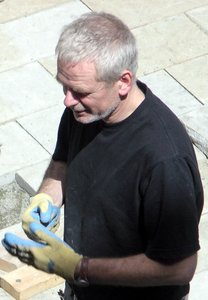
Andy Goldsworthy
1956 - , United Kingdom
Quick Facts
- Artistic Movement Or Style: Land Art Sculptor
- Artists Or Movements Influenced By This Artist: ['']
- Artists Who Influenced This Artist: ['']
- Date Of Birth: July 26, 1956
- Full Name: Andy Goldsworthy
- Nationality: British
- Notable Artworks:
- Slits Cut into Frozen Snow
- Drawn Stone
- Place Of Birth: Cheshire, United Kingdom
Related Articles

White on Canvas: 10 Masterpieces & Timeless Elegance for Your Home Decor
Explore 10 iconic white paintings by Monet, Whistler & Rothko! Discover the stories behind these serene masterpieces and their impact on art history. Find museum-quality reproductions for your home decor at .

Bronze Sculptures That Defined Art History | ArtsDot
Journey through art history with our Top 10 bronze sculptures! Explore masterpieces by Rodin, Michelangelo & more. Discover stories behind iconic statues and find museum-quality reproductions for your home decor at ArtsDot.com.

The Enduring Form: Exploring Themes & Techniques in Sculpture Across Historical Periods
Explore the rich history of sculpture from ancient masterpieces to contemporary innovations. Discover key techniques, influential artists & investment potential for discerning art collectors.

Bronze Age to Modern Masters: 10 Sculptures That Redefined Art | ArtsDot
Journey through art history with 10 legendary bronze sculptures – from Michelangelo's David to Rodin’s Thinker. Explore the stories, techniques & timeless beauty of these masterpieces. Find museum-quality reproductions & elevate your home decor on ArtsDot.com.

The Enduring Form: Sculpture Across History, Technique & Emotional Resonance
Explore the rich history of sculpture with ArtsDot. Discover key techniques, influential artists & investment potential for discerning collectors. Expert insights into valuing and collecting timeless masterpieces.