

 Preview
 Send
Send Share
Share
 Details

 Download
 Similars
 X-Ray
X-Ray Diaporama
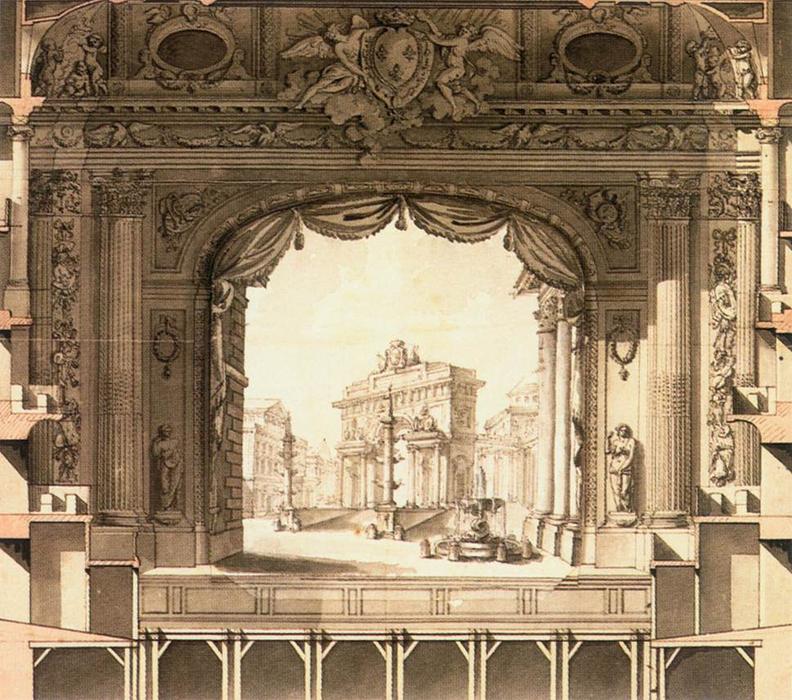
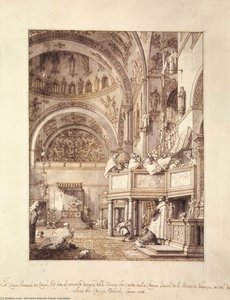
Elevation Drawing of the Stage, Versailles Opera House


 Read More
Hand Made Oil Reproduction
Hand-painted oil on canvas in your size and frame, made to order by our artists. ( Buy Print Buy Image)




































Pick from our preset sizes that match the artwork's original proportions.

You may enter your own dimensions to fit a specific frame or space. If your selected size does not match the original image's proportions, we will either crop the artwork or extend the painting with additional hand-painted elements. A digital mockup will be sent for your approval before production begins.
Please note that the on-screen preview does not reflect the actual cropping or extension. Only the mockup will accurately show the final composition.
While custom sizes are available, we recommend selecting a dimension from the predefined list to preserve the original proportions.
After order, ArtsDot.com team will email client for instructions and provide a mockup preview
Worldwide Delivery () in 3/4 weeks instead of standard 5 weeks. (17 August). No compromise on quality.

Free Worldwide Express Shipping

High-Quality Linen Canvas

Full Shipping Insurance

Customs Tax Refund Guarantee

True Color Matching Guarantee

60-Day Return Policy (Defects Only)

100% Money-Back Guarantee

Bulk Discount Offer
 Glass option is only available in size under 110 CM

Elevation Drawing of the Stage, Versailles Opera House
Reproduction Medium
Reproduction Size
-


Total Price
$ 263
Related Artworks

Artist Biography
Johann Carl Loth: A Venetian Master of Grandeur
Born in Munich in 1632, Johann Carl Loth’s life was a testament to the allure and dynamism of Venice during the late 17th century. Initially trained by his father, Johann Ulrich Loth, a painter in Munich, young Carl quickly recognized the vibrant artistic landscape awaiting him in Italy's cultural heart. He embarked on a journey that would define his career, establishing himself as a prominent figure in Venetian painting, renowned for his dramatic historical scenes and masterful depictions of group compositions – what we now recognize as “conversation pieces.” Loth’s story is one of adaptation, collaboration, and ultimately, the forging of a unique artistic identity rooted in both German tradition and Italian influence.
Loth's early years were marked by a deliberate immersion in the Venetian style. He spent nearly three decades working alongside some of the era’s most celebrated artists, including Pietro Liberi and, crucially, Gian Carlo Buglione. This period wasn’t simply one of imitation; it was a crucial phase of learning, absorbing the techniques of light, color, and composition that characterized Venetian painting. Notably, he collaborated with the influential artist Georg Philipp Rugendas, further honing his skills in engraving – a medium he would later master as both an artist and a publisher. The influence of these collaborations is evident in Loth’s work, particularly in its dramatic use of light and shadow, reminiscent of Caravaggio but tempered by a distinctly Venetian sensibility.
A pivotal moment in Loth's career was his appointment to the court of Maximilian II Emanuel, Prince-Elector of Bavaria. In 1698, the Prince acquired Rubens’ monumental painting, *The Adoration of the Magi*, from Gijsbert van Ceulen. This acquisition profoundly impacted Loth, solidifying his reputation and providing him with a significant commission – a testament to his artistic standing. The *Adoration* served as a catalyst for Loth's own historical works, demonstrating his ability to capture complex narratives and convey a sense of grandeur and theatricality. His style evolved during this period, incorporating elements of Baroque drama while retaining a refined elegance.
The Art of the Conversation Piece
Loth’s most enduring legacy lies in his specialization within the burgeoning genre of the “conversation piece.” These paintings, popular among the European aristocracy and wealthy merchant classes, depicted intimate gatherings – scenes of social interaction, often set against elaborate backdrops. Unlike the formal portraits that were prevalent at the time, conversation pieces aimed to capture a sense of relaxed conviviality, showcasing the subjects’ wealth, taste, and social standing. Loth excelled in this genre, creating works brimming with detail, capturing the nuances of human expression, and skillfully arranging multiple figures within a dynamic composition.
His skill lay not only in his ability to render individual faces but also in his talent for orchestrating complex group scenes. He meticulously arranged his subjects – often including artists, craftsmen, and members of the nobility – creating a visual narrative that conveyed both social hierarchy and shared enjoyment. The *Club of Artists*, painted around 1735, is perhaps his most celebrated example, offering a glimpse into the vibrant artistic circles of London. The painting’s composition—a bustling scene filled with recognizable figures—is a testament to Loth's compositional prowess.
Technique and Style
Loth’s technical skill was considerable, reflecting both his rigorous training and his extensive experience. He demonstrated mastery in oil painting, producing works characterized by rich colors, luminous surfaces, and a dramatic use of light and shadow. However, it is in his engraving that he truly shone. Loth's engravings are renowned for their precision, detail, and expressive quality. He skillfully rendered the textures of fabrics, the contours of faces, and the nuances of movement, capturing the essence of his subjects with remarkable accuracy.
His style can be described as a synthesis of German and Venetian influences. While he retained elements of German realism—particularly in his attention to detail and his ability to render realistic textures—he embraced the Venetian penchant for dramatic lighting, vibrant colors, and dynamic compositions. Loth’s works are infused with a sense of theatricality, reflecting the Baroque aesthetic that dominated Venetian painting during his time.
Legacy and Influence
Johann Carl Loth died in Venice in 1698, leaving behind a significant body of work that continues to be admired for its technical skill, dramatic flair, and insightful portrayal of social life. While he may not have achieved the same level of fame as some of his Venetian contemporaries—such as Titian or Veronese—Loth’s contributions to the development of the conversation piece genre are undeniable. His influence can be seen in the work of subsequent generations of artists, who continued to explore the possibilities of depicting group compositions and capturing the nuances of social interaction.
Today, Loth's paintings and engravings are housed in major museums around the world, offering a valuable window into the artistic and cultural landscape of 17th-century Venice. His legacy as a master of the conversation piece endures, reminding us of the enduring appeal of depicting human connection and social dynamics through art.
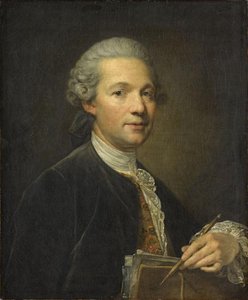
ange jacques gabriel
1698 - 1782 , France
Quick Facts
- Artistic Movement Or Style: Baroque
- Artists Or Movements Influenced By This Artist:
- Karel Dujardin
- Karel Marat
- Artists Who Influenced This Artist: ['Johann Ulrich Loth']
- Date Of Birth: August 8, 1632
- Date Of Death: October 6, 1698
- Full Name: Johann Carl Loth
- Nationality: German
- Notable Artworks:
- Adoration of the Magi (Rubens)
- Self-portrait in a turban
- Place Of Birth: Munich, Bavaria


