 Preview
 Send
Send Share
Share
 Details

 Download
 Similars
 X-Ray
X-Ray Diaporama
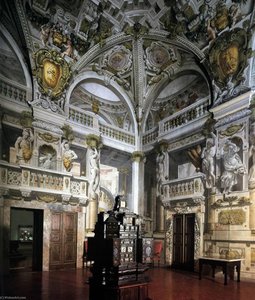
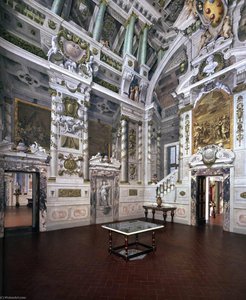
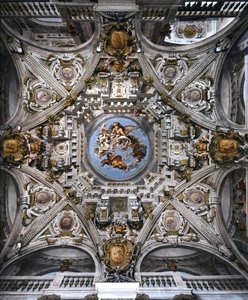
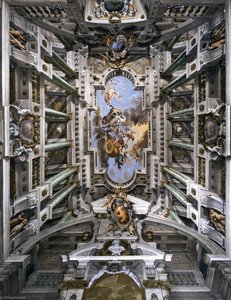
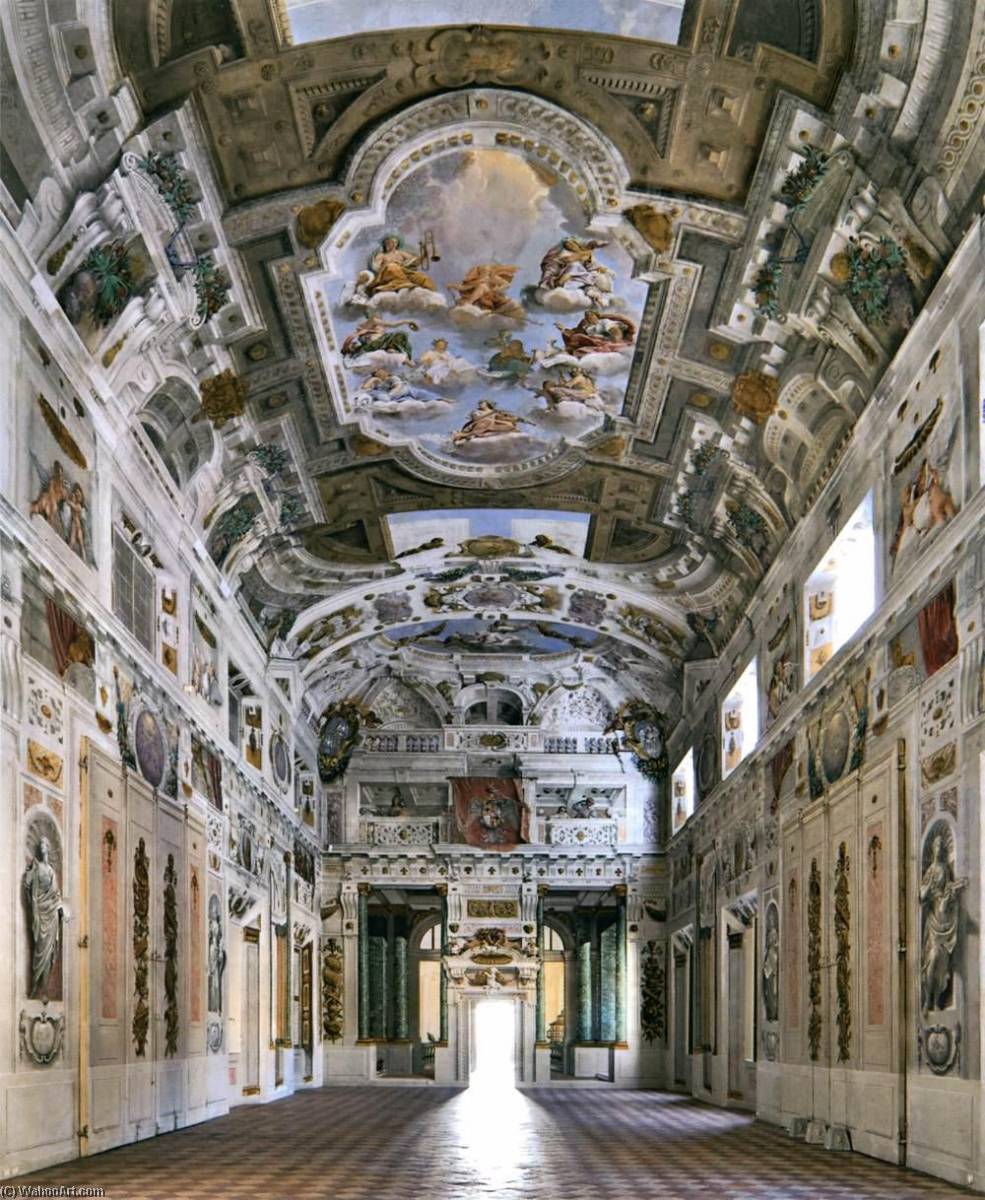
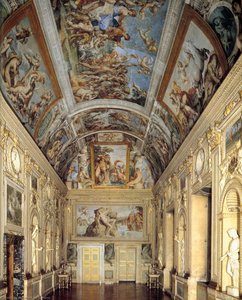
View of the Salone delle Guardie

 Read More
Hand Made Oil Reproduction
Hand-painted oil on canvas in your size and frame, made to order by our artists. ( Buy Print Buy Image)




































Pick from our preset sizes that match the artwork's original proportions.

You may enter your own dimensions to fit a specific frame or space. If your selected size does not match the original image's proportions, we will either crop the artwork or extend the painting with additional hand-painted elements. A digital mockup will be sent for your approval before production begins.
Please note that the on-screen preview does not reflect the actual cropping or extension. Only the mockup will accurately show the final composition.
While custom sizes are available, we recommend selecting a dimension from the predefined list to preserve the original proportions.
After order, ArtsDot.com team will email client for instructions and provide a mockup preview
Worldwide Delivery () in 3/4 weeks instead of standard 5 weeks. (24 August). No compromise on quality.

Free Worldwide Express Shipping

High-Quality Linen Canvas

Full Shipping Insurance

Customs Tax Refund Guarantee

True Color Matching Guarantee

60-Day Return Policy (Defects Only)

100% Money-Back Guarantee

Bulk Discount Offer
 Glass option is only available in size under 110 CM

View of the Salone delle Guardie
Reproduction Medium
Reproduction Size
-


Total Price
$ 263
Related Artworks







Artist Biography
Claude Lorrain: The Architect of Pastoral Dreams
Born in the quiet village of Chamagne, nestled within the Duchy of Lorraine around 1604 or 1605 – a date still debated by scholars – Claude Gellée’s early life was marked by loss and circumstance. Orphaned at a young age, he found himself briefly under the care of an older brother, a printmaker in Freiburg, before embarking on a journey that would ultimately transform him into one of the most celebrated landscape painters of his era. This wasn't merely a geographical shift; it represented a profound immersion into the heart of Italian artistic culture, a crucible where he honed his skills and forged a unique style deeply rooted in both Northern European tradition and the burgeoning ideals of the High Renaissance.
Claude’s arrival in Rome was not heralded by grand pronouncements or immediate acclaim. Instead, he began his career as a humble pastry cook – a detail that speaks volumes about his initial circumstances and the pragmatic realities of life within the bustling city. It was through this seemingly unassuming role that he encountered Agostino Tassi, a seasoned view painter and decorator, who recognized Claude’s innate talent and took him on as an apprentice. This mentorship proved pivotal, exposing Claude to the principles of composition, perspective, and the meticulous observation of nature – elements that would become cornerstones of his distinctive style. Later, he studied under Goffredo Wals, a German-born artist whose small-scale views provided an early influence, though Claude quickly transcended these limitations, developing a far more sophisticated and nuanced approach.
What truly distinguished Claude Lorrain was his unwavering dedication to the study of nature. Unlike many of his contemporaries who relied on memory or idealized representations, Claude spent countless hours outdoors, sketching directly from life. He meticulously documented the changing effects of light – the golden hues of dawn, the dramatic shadows of twilight, and the subtle shifts in color across the landscape – capturing not just the appearance of a scene but its very essence. This commitment to observation is evident in Sandrart’s description: “He tried by every means to penetrate nature, lying in the fields before the break of day and until night in order to learn to represent very exactly the red morning sky, sunrise and sunset and the evening hours.” This pursuit of naturalism was revolutionary for its time, elevating landscape painting from a mere decorative element to a respected genre capable of profound emotional and intellectual resonance.
The Development of Style: From Northern Roots to Italian Ideal
Claude’s artistic journey reveals a fascinating interplay between influences. Initially, his work bore the hallmarks of the Northern European tradition – particularly the meticulous detail and dramatic lighting favored by artists like Bril and Elsheimer. However, as he spent more time in Italy, he gradually absorbed the principles of classical landscape painting, championed by figures such as Annibale Carracci and Domenichino. This synthesis resulted in a style characterized by balanced compositions, idealized forms, and an emphasis on atmospheric perspective – creating scenes that were both visually stunning and imbued with a sense of serene beauty.
Crucially, Claude didn’t simply replicate classical ideals; he adapted them to his own sensibility. He retained the Northern European focus on light and atmosphere while incorporating elements of Italian composition and color theory. His figures, often drawn from biblical or mythological narratives, were typically rendered with a degree of stiffness – a lingering influence from his early training with Déruet – but they served primarily as vehicles for enhancing the beauty of the landscape rather than dominating it. This subtle balance between figure and setting is one of the hallmarks of Claude’s distinctive style.
The Liber Veritatis: A Chronicle of Creation
To document his work and safeguard against fraudulent copies, Claude embarked on a remarkable project – the *Liber Veritatis* (Book of Truth). This meticulously detailed catalogue, comprising 195 drawings, served as both a record of his paintings and a testament to his artistic process. Each sheet featured a finished drawing alongside information about the painting’s patron, its destination, and often, a preparatory sketch or study. The *Liber Veritatis* is an invaluable resource for art historians, providing unprecedented insight into Claude’s creative methods, his patrons, and the evolution of his paintings.
The contents of this book are not merely technical records; they also reveal much about Claude's personality and artistic philosophy. His dedication to accuracy, his meticulous observation of nature, and his evident pride in his work are all reflected in the drawings themselves. The *Liber Veritatis* stands as a unique achievement – a painter’s diary documenting the creation of his masterpieces.
Legacy and Influence: A Master of Pastoral Visions
Claude Lorrain enjoyed immense popularity during his lifetime, becoming one of the most sought-after landscape painters in Europe. His patrons included Pope Urban VIII and King Philip IV of Spain, reflecting his status as a leading artist within the highest echelons of European society. Following his death in 1682, Claude’s influence continued to grow, particularly in England, where his works were highly prized by collectors and aristocrats. The Turner Bequest at the National Gallery demonstrates this enduring admiration, with two of Turner's paintings hung alongside those of Claude – a testament to the artist’s lasting impact on subsequent generations of landscape painters.
Claude Lorrain’s legacy extends far beyond his individual works. He established landscape painting as a distinct and respected genre, paving the way for future artists such as Poussin and Turner. His emphasis on naturalism, atmospheric perspective, and balanced composition profoundly influenced the development of Western art, shaping our understanding of beauty, light, and the sublime power of nature. His paintings continue to captivate viewers with their serene elegance and timeless appeal – a testament to the enduring genius of this remarkable artist.
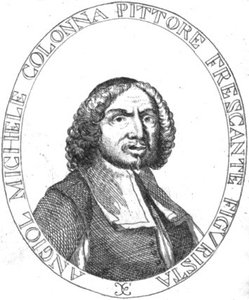
angelo michele colonna
1604 - 1687
Quick Facts
- Artistic Movement Or Style: Baroque Landscape
- Artists Or Movements Influenced By This Artist:
- Poussin
- Turner
- Artists Who Influenced This Artist:
- Goffredo Wals
- Agostino Tassi
- Date Of Birth: c. 1604/5
- Date Of Death: 1682
- Full Name: Claude Gellée
- Nationality: French
- Notable Artworks:
- The Storm
- Ford
- Diana and her Companions
- Place Of Birth: Chamagne, Lorraine