

 Preview
 Send
Send Share
Share
 Details

 Download
 Similars
 X-Ray
X-Ray Diaporama
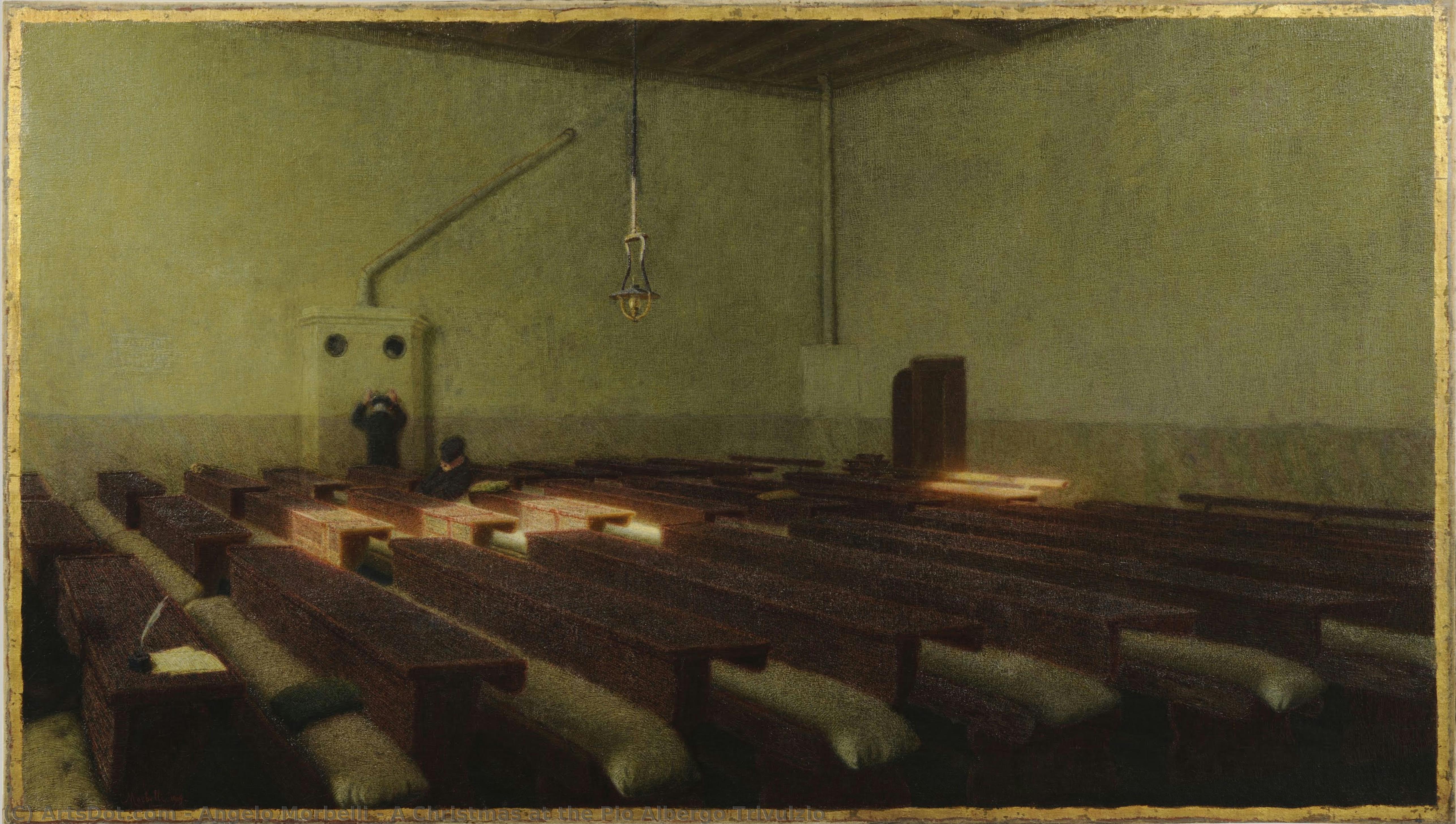
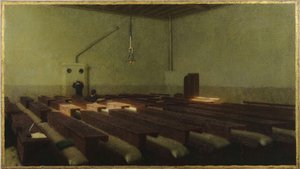
A Christmas at the Pio Albergo Trivulzio
 Divisionism
 99.0 x 173.0 cm
 Galleria Civica di Arte Moderna e Contemporanea Torino
 Read More
Purchase a high-resolution, enhanced digital image, far superior to the online preview.
Each file is meticulously prepared by our in-house specialists using advanced tools and expert manual retouching. We ensure every image has exceptional clarity, precise color accuracy, and fine detail.
The final file is delivered via email within 72 hours, optimized for immediate use in professional, editorial, and print environments. This is the same quality trusted by top-tier design studios, publishers, and galleries.
Digital Image
Download a high-resolution file for personal display, printing, and creative projects. ( Buy Print Buy Hand Made Painting)
Included in Every Digital Image Order
Expert Digital Delivery, Guaranteed
When you choose ArtsDot.com, you're not just getting an image - you're receiving a professionally enhanced digital artwork, crafted with precision and backed by a satisfaction guarantee. Here's everything that comes with your order, automatically:

Fast Email Delivery
Your high-resolution digital image file will be emailed to you within 72 hours of ordering - ready for immediate use.

AI-Enhanced Digital File
Your artwork is professionally optimized using advanced AI tools and manual editing, ensuring maximum detail, clarity, and color accuracy.

Free Lifetime Re-Delivery
Accidentally deleted or lost your file? No worries - we'll resend it to you anytime, free of charge.

No Import Fees - Ever
Enjoy your artwork instantly with zero customs, duties, or delivery fees - digital downloads are always tax-free.

Color Accuracy Guarantee
We ensure your digital image reflects the original colors as closely as possible using professional tools and color management.

60-Day Satisfaction Guarantee
If you're not satisfied with your digital image, we'll revise it or refund 100% within 60 days - no questions asked.

100% Money-Back Guarantee
Not satisfied? Get a full refund within 60 days of receiving your digital file - no questions asked.

Bulk Order Discounts
Buy 3 images, save 10% - Buy 5, save 15% - Buy 10+, save 20%. Great for creative projects, galleries, and agencies.
Collectible Description
Related Artworks
Artist Biography
Angelo Morbelli: A Painter of Humanity’s Echoes
Angelo Morbelli, born in Alessandria in 1853, wasn't merely a painter; he was a chronicler of his time, a witness to the profound shifts occurring within Italian society at the turn of the century. His artistic journey, initially marked by landscapes and historical scenes, took an unexpected and deeply compassionate turn as he dedicated himself to portraying the lives – and ultimately, the sorrows – of the elderly in Milan’s Pio Albergo Trivulzio. This commitment to social realism, coupled with his innovative use of Divisionist technique, cemented Morbelli's place as a significant figure in late 19th and early 20th-century Italian art.
Morbelli’s early life provided the foundation for his artistic sensibilities. Born into a comfortable family, he initially pursued music but was forced to abandon it due to a progressive hearing loss. This shift led him to the Brera Academy in Milan, where he studied under influential figures like Giuseppe Bertini and Raffaele Casnedi. It was here that he began experimenting with photography, meticulously studying compositions and lighting – techniques he would later integrate into his paintings. His early works, while technically proficient, hinted at a growing interest in capturing the realities of everyday life, foreshadowing his future focus on marginalized communities.
The Turning Point: The Pio Albergo Trivulzio
A pivotal moment in Morbelli’s career arrived with his decision to document the lives within the Pio Albergo Trivulzio, a home for the aged and infirm. This wasn't simply an act of charity; it was a profound artistic undertaking. He spent years observing these residents, immersing himself in their stories and experiences. The resulting series of paintings – *The Last Days* (1883), *A Christmas at the Pio Albergo Trivulzio* (1903), and many others – became his most celebrated work, a poignant meditation on aging, vulnerability, and the human condition. These canvases weren’t idealized portraits; they were raw, honest depictions of elderly individuals grappling with illness, loneliness, and the passage of time.
Morbelli's approach was revolutionary for its time. He moved beyond traditional representations of the elderly as passive subjects, instead portraying them as active participants in their own lives – engaged in conversation, tending to small tasks, or simply reflecting on memories. His use of light and color became increasingly expressive, employing a Divisionist technique that broke down forms into tiny dots of pure color, creating a shimmering, atmospheric effect. This method allowed him to convey not only the physical appearance of his subjects but also their emotional states – a sense of melancholy, resilience, or quiet dignity.
Divisionism and the Language of Color
Morbelli’s embrace of Divisionism was deeply influenced by the theories of Georges Seurat and Paul Signac. He meticulously applied small, distinct brushstrokes of color to create an illusion of depth and luminosity. This technique wasn't merely a stylistic choice; it represented a fundamental shift in his artistic philosophy – a belief that color itself could convey meaning and emotion. He experimented with complementary colors, creating vibrant contrasts that heightened the emotional impact of his paintings. His work from this period, including landscapes of the Monferrato hills and scenes from the Pio Albergo Trivulzio, demonstrates a masterful command of color theory and a willingness to push the boundaries of traditional painting.
Furthermore, Morbelli’s exploration of Divisionism was intertwined with his social concerns. He sought to capture not just the outward appearance of his subjects but also their inner lives – their memories, hopes, and fears. His paintings became visual narratives, offering a glimpse into the experiences of those often overlooked by society.
Legacy and Influence
Angelo Morbelli’s legacy extends far beyond his individual works. He is remembered as one of the most important exponents of Italian Divisionism and a pioneer in social realism. His commitment to portraying the lives of the elderly challenged conventional artistic norms and raised awareness about the plight of vulnerable populations. His paintings continue to resonate with viewers today, offering a powerful reminder of the dignity and humanity of all individuals, regardless of age or circumstance.
Morbelli’s influence can be seen in the work of subsequent generations of Italian artists, who were inspired by his innovative techniques and compassionate vision. His paintings remain an important part of the national collection, serving as a testament to his artistic talent and social conscience.
angelo morbelli
1853 - 1919
Quick Facts
- Artistic Movement Or Style: Divisionism, Realism
- Artists Or Movements Influenced By This Artist:
- Georges Seurat
- Paul Signac
- Artists Who Influenced This Artist:
- Giuseppe Bertini
- Raffaele Casnedi
- Date Of Birth: July 18, 1853
- Date Of Death: November 7, 1919
- Full Name: Angelo Morbelli
- Nationality: Italian
- Notable Artworks:
- Last Days
- A Boat on Lake Maggiore
- Christmas at Pio Albergo
- Place Of Birth: Alessandria, Italy

