 Preview
 Send
Send Share
Share
 Details

 Download
 Similars
 X-Ray
X-Ray Diaporama
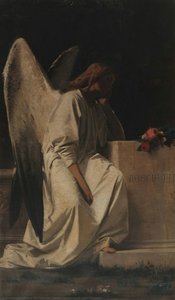
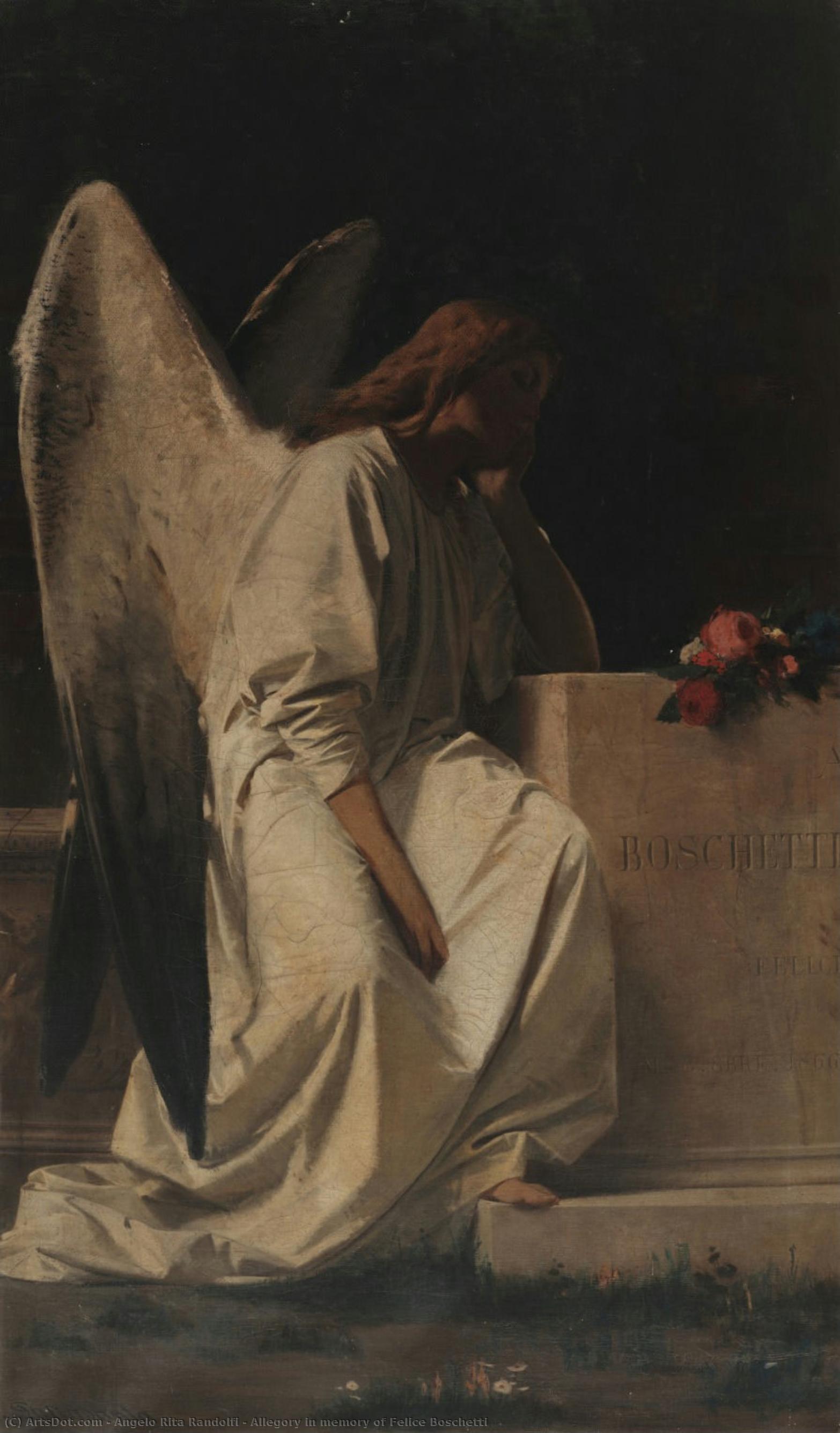
Allegory in memory of Felice Boschetti
 1868
1868 200.0 x 120.0 cm
 Ca’ Granda – Ospedale Maggiore Policlinico
 Read More
Giclée / Art Print
Museum-quality giclée or canvas print with fast production and flexible finish options. ( Buy Hand Made Painting Buy Image)




































Pick from our preset sizes that match the artwork's original proportions.

You may enter your own dimensions to fit a specific frame or space. If your selected size does not match the original image's proportions, we will either crop the artwork or extend the image with a mirrored or solid-fill edge. A digital mockup will be sent for your approval before production begins.
Please note that the on-screen preview does not reflect the actual cropping or extension. Only the mockup will accurately show the final composition.
While custom sizes are available, we recommend selecting a dimension from the predefined list to preserve the original proportions.
Worldwide Delivery () in 2 weeks instead of standard 4/5 weeks. (23 August)

Free Worldwide Express Shipping

High-Quality Linen Canvas

Full Shipping Insurance

Customs Tax Refund Guarantee

True Color Matching Guarantee

60-Day Return Policy (Defects Only)

100% Money-Back Guarantee

Bulk Discount Offer
 Glass option is only available in size under 110 CM

Allegory in memory of Felice Boschetti
Giclée / Art Print
Reproduction Size
-


Total Price
$ 63
Related Artworks






Artist Biography
James McNeill Whistler: A Symphony of Light and Shadow
James Abbott McNeill Whistler, born in Lowell, Massachusetts, on July 10, 1834, was an American-born artist who ultimately forged a singular path as a painter, printmaker, and theorist within the vibrant artistic landscape of late 19th-century Britain. His life’s work can be understood not merely through the finished canvases he produced – iconic works like *Arrangement in Grey and Black No. 1* (famously known as *Whistler's Mother*) and *Nocturne in Black and Gold, the Falling Rocket* – but also through his radical ideas about art itself. Whistler’s journey was one of constant evolution, marked by a rejection of traditional academic values and a passionate pursuit of what he termed “art for art’s sake,” a philosophy that profoundly influenced the Aesthetic movement and continues to resonate today.Early Years and Influences: A Boston Boy Finds His Voice
Whistler's childhood was shaped by his family’s relocation from Lowell to St. Petersburg, Russia, where his father served as a civil engineer on the railway project connecting Moscow with Saint Petersburg. This early exposure to European culture, particularly Russian Baroque art, instilled in him a deep appreciation for rich color and intricate detail – qualities he would later incorporate into his own distinctive style. Upon returning to America, Whistler attended the United States Military Academy at West Point, but found himself ill-suited to military life and ultimately left without graduating. He then pursued formal artistic training in Paris, immersing himself in the diverse influences of the city’s art scene. Crucially, he studied under Charles Gleyre, a former painter to Napoleon III, whose atelier provided a foundation in traditional academic techniques. However, Whistler quickly surpassed these methods, seeking inspiration from a broader range of sources – Dutch and Spanish Baroque masters like Rembrandt and Velázquez, as well as contemporary French artists such as Gustave Courbet and Édouard Manet. This eclectic approach laid the groundwork for his unique aesthetic vision.The Pursuit of “Harmony” and the Nocturnes
Whistler’s artistic development during the 1860s saw him move away from purely representational painting towards a more abstract, tonal style. He began to experiment with color and light in ways that departed significantly from prevailing academic norms. This period witnessed the birth of his “nocturnes,” paintings depicting scenes of London at night. These works weren’t simply representations of darkness; instead, Whistler sought to capture the *feeling* of a nocturne – its mood, atmosphere, and subtle tonal variations—much like a musical composition. He famously described his paintings as "harmonies," emphasizing the importance of color relationships over precise detail. His signature for these works, a stylized butterfly with a long stinger, reflected both the delicacy of his art and his often combative public persona. The *Arrangement in Grey and Black No. 1*, or *Whistler’s Mother*, exemplifies this approach perfectly – a seemingly simple portrait that is imbued with profound emotional resonance through its carefully orchestrated color palette and subtle interplay of light and shadow.Aestheticism and the Rejection of Sentimentality
Whistler became a central figure in the Aesthetic movement, which championed beauty as an end in itself, rejecting moral or didactic content in art. He vehemently opposed what he perceived as the overly sentimental and melodramatic tendencies prevalent in much of 19th-century painting. He argued that art should be judged solely on its aesthetic qualities – its color, form, and composition—rather than its ability to convey a specific message or evoke strong emotions. This stance led to considerable controversy during his lifetime, particularly when he criticized the opulent decorations at the Paris Salon in 1874. Whistler’s commitment to “art for art’s sake” positioned him as a rebellious figure, challenging established artistic conventions and advocating for a new approach to painting.Legacy and Influence
Despite facing criticism and skepticism during his lifetime, James McNeill Whistler's influence on the course of modern art is undeniable. His emphasis on color harmony, tonal values, and the exploration of atmosphere paved the way for later movements such as Impressionism and Post-Impressionism. His theoretical writings on art—particularly his 1877 treatise *On Art*—provided a framework for understanding and appreciating abstract painting. Whistler’s work continues to be celebrated for its beauty, innovation, and profound exploration of light and color. He remains an important figure in the history of art, a visionary artist who dared to challenge conventional notions of what constitutes “good” art and ultimately redefined the possibilities of visual expression. His legacy endures as a testament to the power of artistic independence and the enduring pursuit of beauty.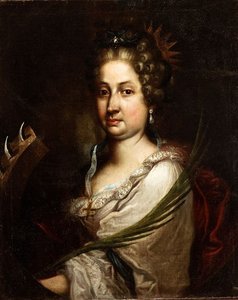
angelo rita randolfi
1834 - 1876 , Italy
Quick Facts
- Artistic Movement Or Style: Aestheticism, Tonalism
- Artists Or Movements Influenced By This Artist:
- Courbet
- Monet
- Renoir
- Artists Who Influenced This Artist:
- Rembrandt
- Vermeer
- Velázquez
- Date Of Birth: July 10, 1834
- Date Of Death: July 17, 1903
- Full Name: James Abbott McNeill Whistler
- Nationality: American-British
- Notable Artworks:
- Arrangement in Grey and Black No. 1
- Whistler’s Mother
- Nocturne: Blue and Silver - Chelsea
- Place Of Birth: Lowell, Massachusetts, USA