 Preview
 Send
Send Share
Share
 Details

 Download
 Similars
 X-Ray
X-Ray Diaporama
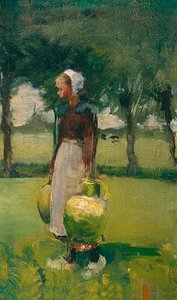
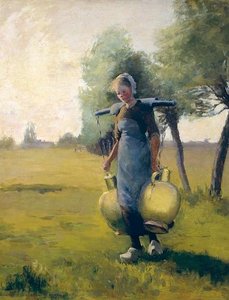
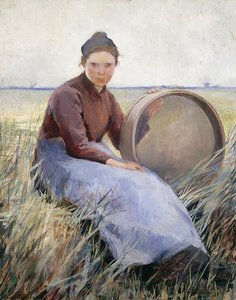
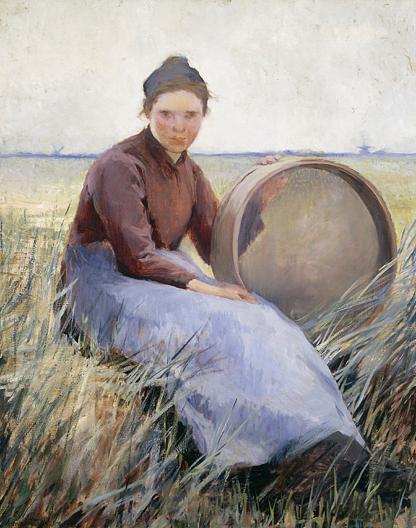
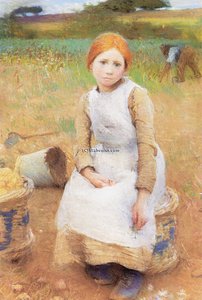
Girl with a Winnowing Basket, (painting)


 Read More
Hand Made Oil Reproduction
Hand-painted oil on canvas in your size and frame, made to order by our artists. ( Buy Print Buy Image)




































Pick from our preset sizes that match the artwork's original proportions.

You may enter your own dimensions to fit a specific frame or space. If your selected size does not match the original image's proportions, we will either crop the artwork or extend the painting with additional hand-painted elements. A digital mockup will be sent for your approval before production begins.
Please note that the on-screen preview does not reflect the actual cropping or extension. Only the mockup will accurately show the final composition.
While custom sizes are available, we recommend selecting a dimension from the predefined list to preserve the original proportions.
After order, ArtsDot.com team will email client for instructions and provide a mockup preview
Worldwide Delivery () in 3/4 weeks instead of standard 5 weeks. (29 August). No compromise on quality.

Free Worldwide Express Shipping

High-Quality Linen Canvas

Full Shipping Insurance

Customs Tax Refund Guarantee

True Color Matching Guarantee

60-Day Return Policy (Defects Only)

100% Money-Back Guarantee

Bulk Discount Offer
 Glass option is only available in size under 110 CM

Girl with a Winnowing Basket, (painting)
Reproduction Medium
Reproduction Size
-


Total Price
$ 263
Girl with a Winnowing Basket by Anna Huntington Stanley: A Glimpse of Rural Serenity
- Introduction: "Girl with a Winnowing Basket" is a captivating oil painting created in 1895 by American Impressionist artist, Anna Huntington Stanley. This work offers a tranquil portrayal of rural life, showcasing a young woman engaged in a traditional task amidst a picturesque landscape. The painting’s gentle atmosphere and meticulous detail invite viewers to step into a moment of quiet contemplation.
Subject and Composition
- The Subject: At the heart of the composition is a young woman seated gracefully in a field of wheat. She holds a winnowing basket on her lap, suggesting a connection to agricultural practices and rural traditions. A large bucket or barrel rests near her hands, further grounding her within this setting. Her gaze is directed off-camera, creating an intriguing sense of narrative – what captures her attention?
- The Setting: The backdrop features a sprawling field of wheat, bathed in the soft light characteristic of Impressionism. Two boats are visible in the distance, one on the left and another further back on the right, hinting at a coastal or waterfront location. This detail adds depth to the scene and suggests a connection between the land and water.
- Color Palette: Stanley employs a muted yet harmonious color palette dominated by blues, greens, and earthy tones. The woman's blue dress contrasts subtly with the surrounding greenery, while the wheat field provides a warm backdrop. This careful use of color contributes to the painting’s overall sense of tranquility.
Style and Technique: Impressionistic Nuances
- Impressionism: "Girl with a Winnowing Basket" exemplifies the hallmarks of American Impressionism. Stanley, influenced by her studies in Paris under esteemed tutors Boulanger and Lefebvre, captures the fleeting effects of light and atmosphere. The brushstrokes are visible yet blended, creating a soft and luminous quality.
- Technique: Stanley’s technique demonstrates a keen eye for detail while maintaining an impressionistic looseness. She skillfully renders the textures of the wheat field, the woman's clothing, and the distant boats, all while preserving the overall sense of spontaneity that defines Impressionism.
Historical Context and Symbolism
- Rural Life in America: The late 19th century witnessed significant shifts in American society, with urbanization rapidly transforming the landscape. Stanley’s painting serves as a poignant reminder of rural life and traditions that were gradually fading away. It offers a glimpse into a simpler time, celebrating the beauty and dignity of everyday labor.
- The Winnowing Basket: The winnowing basket itself holds symbolic significance. Traditionally used to separate grain from chaff by tossing it in the air, it represents hard work, sustenance, and connection to the land. It is a symbol of rural life and agricultural practices.
- Anna Huntington Stanley's Focus: Throughout her career, Anna Huntington Stanley dedicated herself to depicting the human experience through oil and watercolor. Her pictures often portray common rural women and children, presenting an attractive view of everyday activities.
Emotional Impact and Legacy
- Tranquility and Reflection: "Girl with a Winnowing Basket" evokes a sense of tranquility and invites quiet reflection. The woman’s gentle demeanor, the serene landscape, and the soft lighting create an atmosphere of peace and contentment.
- Stanley's Legacy: Anna Huntington Stanley's work is now recognized for its delicate beauty and insightful portrayal of rural life. Her paintings are featured in prestigious collections such as the Smithsonian American Art Museum, solidifying her place within the canon of American Impressionism.
Related Artworks
Artist Biography
A Life Painted in Light: The Story of Anna Huntington Stanley
Anna Huntington Stanley, a name resonating with the quiet grace of American Impressionism, lived a life as transient and textured as the canvases she brought to life. Born on April 20, 1864, in Yellow Springs, Ohio, her early years were shaped by the nomadic existence dictated by her father’s distinguished military career. General David Sloan Stanley, a decorated veteran of the Civil War, instilled within his family a sense of duty and resilience, while her mother, Anna Maria Wright Stanley, fostered an appreciation for education and culture – a delicate balance that would profoundly influence young Anna's artistic path. The constant relocation—from South Dakota to Michigan, New York, Texas, and finally Washington D.C.—exposed her to diverse landscapes and experiences, subtly weaving themselves into the fabric of her future work. This upbringing, though unconventional, provided a rich internal world from which her artistry would blossom.From Academy Halls to Parisian Studios
Stanley’s artistic inclinations revealed themselves early on, recognized for her talent in drawing and painting during her time at the Buffalo Female Academy. It was there she first encountered formal training under Ammi Merchant Farnham, whose atmospheric landscapes, often depicting twilight scenes, left an indelible mark on her developing style. This foundation propelled her towards more rigorous study; from 1882 to 1885, she immersed herself in the demanding curriculum of the Pennsylvania Academy of the Fine Arts in Philadelphia. Under the tutelage of luminaries like Thomas Eakins and Thomas Anshutz, she honed her skills in life drawing and sculpture, absorbing their commitment to realism and anatomical precision. However, it was a journey across the Atlantic that truly unlocked her artistic voice. In 1887, Stanley enrolled at the prestigious Académie Julian in Paris, studying with Gustave Clarence Rodolphe Boulanger and Jules-Joseph Lefebvre. While many of her peers focused on painting, she initially concentrated on charcoal drawings, mastering tonal values and capturing form with remarkable sensitivity. This period marked a pivotal shift, exposing her to the burgeoning Impressionist movement and its revolutionary approach to light, color, and subject matter.Capturing Everyday Moments: Style and Subject Matter
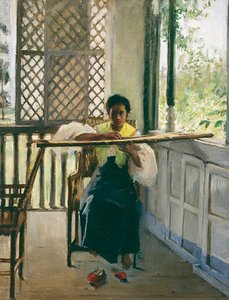
Upon returning to America, Stanley’s artistic style underwent a noticeable transformation. The influence of Parisian Impressionism became increasingly apparent in her work—a lighter palette, looser brushwork, and a focus on capturing the fleeting effects of light. Yet, she didn't simply mimic the French masters; she infused their techniques with a distinctly American sensibility. Her subject matter centered primarily around scenes of everyday life, particularly those involving rural women and children engaged in common activities. The Milkmaid, Girl Spinning, Filipina Embroidering, and Sailboats at Sunset, Iloilo are prime examples—intimate portrayals that celebrate the dignity and beauty of ordinary existence. Stanley possessed a remarkable ability to imbue her subjects with a sense of quiet grace and inherent worth, offering a poignant glimpse into 19th-century American life. Her paintings weren’t grand historical narratives or idealized portraits; they were tender observations of moments often overlooked, elevated through her sensitive brushwork and luminous color choices. A particularly compelling series emerged from her time in the Philippines, where she documented Filipino culture and daily life with a unique perspective, providing valuable visual records of that era. Even works like Iloilo Prison, while depicting a somber subject, are rendered with a compassionate eye, avoiding sensationalism and focusing instead on the human condition.Recognition and Legacy: A Lasting Impression
Though her life was tragically cut short in 1907 at the age of forty-two, Anna Huntington Stanley left behind a body of work that continues to resonate with audiences today. Her paintings have been included in numerous institutional collections, most notably the Smithsonian American Art Museum, attesting to their artistic merit and historical significance. She exhibited in “Dutch Utopia: American Artists in Holland, 1880–1914,” which toured prominent museums like the Telfair Museum of Art and the Taft Museum of Art, further solidifying her place within the canon of American art. Stanley’s legacy lies not only in her technical skill but also in her ability to capture and celebrate the lives of those often marginalized or ignored. She offered a valuable counterpoint to the prevailing artistic trends of her time, choosing to focus on the beauty and dignity of everyday people rather than grand historical themes or aristocratic portraiture. Her work serves as a poignant reminder that art can be found not just in palaces and battlefields but also in the quiet moments of rural life, in the hands of a milkmaid, or in the focused concentration of a Filipina embroidering her craft. Anna Huntington Stanley’s paintings are more than mere representations; they are windows into a bygone era, imbued with empathy, grace, and a luminous quality that continues to captivate viewers over a century later.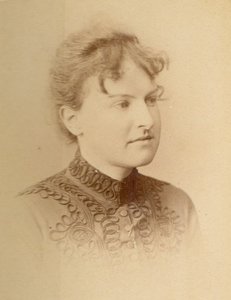
Anna Huntington Stanley
1864 - 1907 , United States of America
Quick Facts
- Artistic Movement Or Style: Impressionism
- Artists Who Influenced This Artist:
- Ammi Merchant Farnham
- Thomas Eakins
- Thomas Anshutz
- Date Of Birth: April 20, 1864
- Date Of Death: February 25, 1907
- Full Name: Anna Huntington Stanley
- Nationality: American
- Notable Artworks:
- The Milkmaid
- Girl Spinning
- Filipina Embroidering
- Sailboats at Sunset
- Iloilo Prison
- Place Of Birth (City And Country): Yellow Springs, USA
Related Articles

Cézanne's Masterpieces: 25 Iconic Artworks to Transform Your Space
Journey through 25 iconic artworks by Paul Cézanne – a master of Impressionism and Post-Impressionism. Explore his landscapes, still lifes, and the stories behind these timeless masterpieces. Discover museum-quality reproductions & curated decor at ArtsDot.com.

Impressionism's Masterpieces: 10 Paintings That Defined a Movement | ArtsDot
Journey through Impressionism's heart with 10 iconic paintings by Monet, Renoir & Degas. Explore light, color & the stories behind these masterpieces. Find museum-quality art reproductions and elevate your home decor on ArtsDot.com.
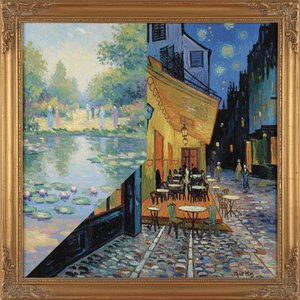
Beyond Light & Color: Impressionism vs. Post-Impressionism for the Discerning Collector
Explore the nuances of Impressionism & Post-Impressionism with . Expert insights for collectors on style, investment, and acquiring museum-quality reproductions.
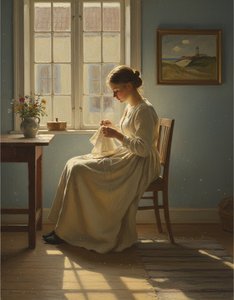
Anna Ancher: Capturing Light & Domesticity in the Skagen Tradition
Discover Anna Ancher (1859-1935), a leading figure of the Skagen Painters. Explore her captivating depictions of domestic life, masterful use of light, and lasting legacy in Danish Impressionism. Learn more at ArtsDot.
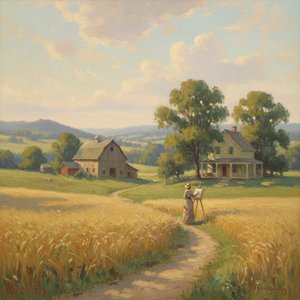
Arthur Stockdale Cope: A Study in American Impressionism & Rural Life's Poetics
Explore the life & work of Arthur Stockdale Cope, a prominent British portraitist influenced by American Impressionism. Discover his captivating rural landscapes and royal commissions at ArtsDot.