 Preview
 Send
Send Share
Share
 Details

 Download
 Similars
 X-Ray
X-Ray Diaporama
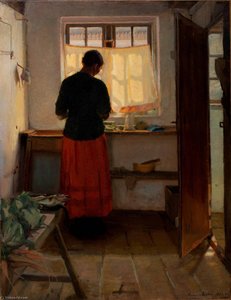
Dansk Dagens arbejde bedømmes English Appraising the Day's Work
 Oil On Canvas
- WallArt
- Nordic Impressionism
 1883
1883- 19th Century
 103.0 x 83.0 cm
 Statens Museum For Kunst
 Read More
Hand Made Oil Reproduction
Hand-painted oil on canvas in your size and frame, made to order by our artists. ( Buy Print Buy Image)




P118B $10

P118H $10

P118W $10

P438Z $10

P508JH $12

P508YH $12

P805H $10

P805Z $10

P919BZ $10

P919G $10

P919XJ $10

P959ZH $10

P968JZ $12

W106C $8

W218G $10

W218JH $8

W218Y $10

W307PJ $10

W316G $10

W316PJ $8

W316Y $10

W398PJ $8

W4111J $10

W500HY $15

W500JH $15

W692G $12

W849H $8

W940BG $15

W953PJ $8




Pick from our preset sizes that match the artwork's original proportions.

You may enter your own dimensions to fit a specific frame or space. If your selected size does not match the original image's proportions, we will either crop the artwork or extend the painting with additional hand-painted elements. A digital mockup will be sent for your approval before production begins.
Please note that the on-screen preview does not reflect the actual cropping or extension. Only the mockup will accurately show the final composition.
While custom sizes are available, we recommend selecting a dimension from the predefined list to preserve the original proportions.
After order, ArtsDot.com team will email client for instructions and provide a mockup preview
Worldwide Delivery () in 3/4 weeks instead of standard 5 weeks. (3 September). No compromise on quality.

Free Worldwide Express Shipping

High-Quality Linen Canvas

Full Shipping Insurance

Customs Tax Refund Guarantee

True Color Matching Guarantee

60-Day Return Policy (Defects Only)

100% Money-Back Guarantee

Bulk Discount Offer
 Glass option is only available in size under 110 CM

Dansk Dagens arbejde bedømmes English Appraising the Day's Work
Reproduction Medium
Reproduction Size
-


Total Price
$ 263
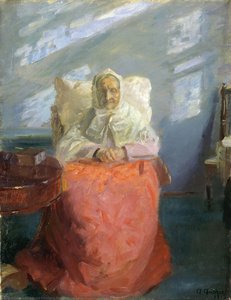
A Portrait of Domestic Tranquility: Exploring Anna Ancher’s “Dansk Dagens arbejde bedømmes”
Anna Kirstine Brøndum Ancher, universally recognized as Anna Ancher, stands apart in the annals of Danish art history – not merely as a painter but as an embodiment of Skagen itself. Born in 1859 amidst the windswept shores and ethereal lightscape of Skagen, Denmark’s northernmost village, her artistic journey was inextricably intertwined with the very essence of its identity.
Unlike many contemporaries drawn to Skagen's dramatic vistas, Ancher possessed a profound familiarity with its rhythms. Her father, Erik Andersen Brøndum, established Brøndums Hotel, a pilgrimage site for artists seeking to translate the region’s captivating atmosphere onto canvas – an environment that undoubtedly fostered her formative artistic sensibilities.
Style and Technique: Impressionistic Refinement
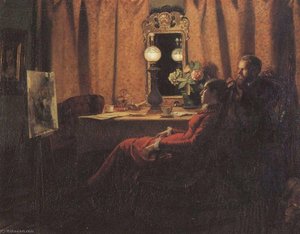
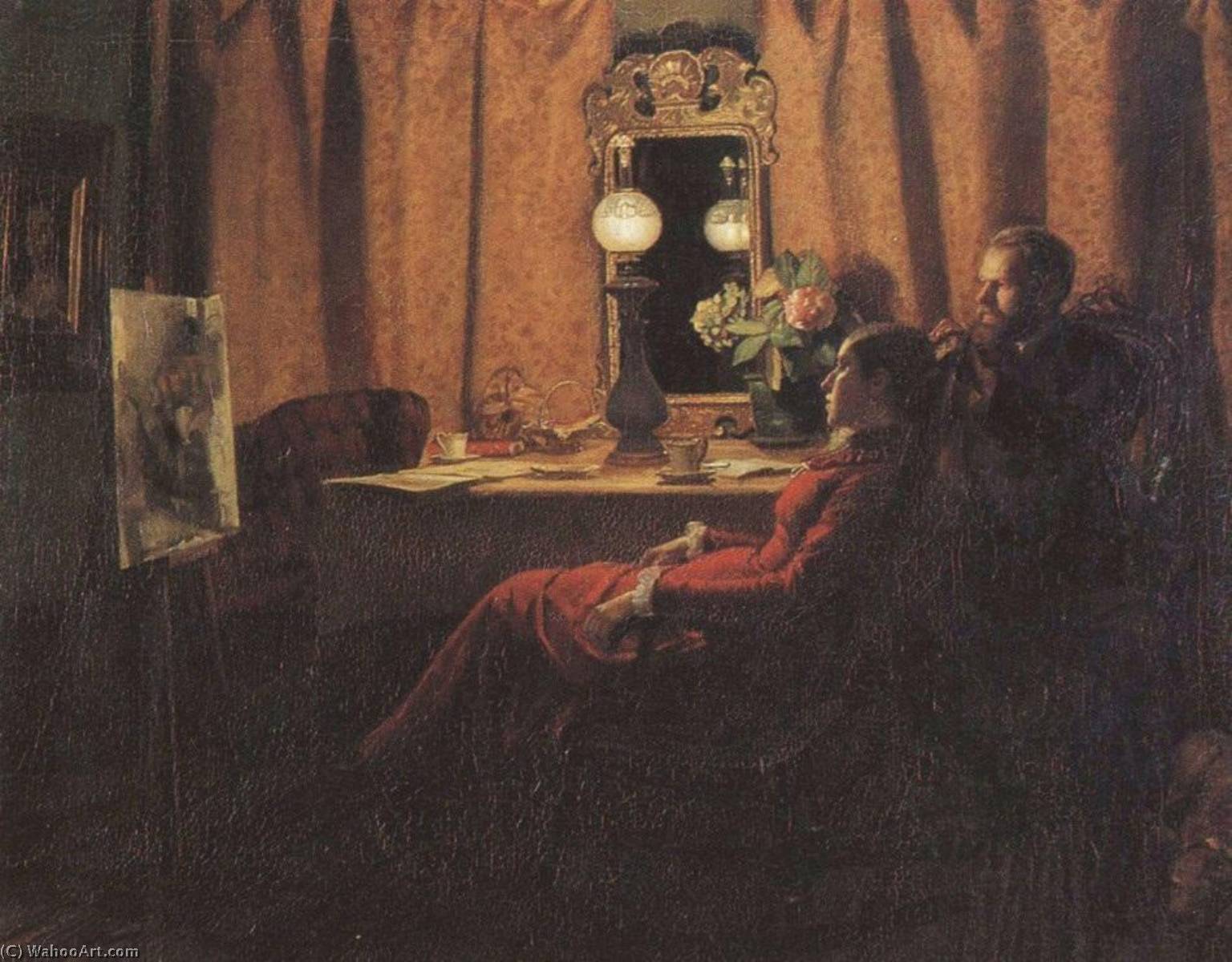
“Dansk Dagens arbejde bedømmes,” translating roughly to “The Day's Work Done,” exemplifies Ancher’s signature style—a masterful blend of Impressionism and Symbolism. The painting utilizes oil on canvas, employing loose brushstrokes that capture the diffused light characteristic of Skagen summers. These strokes aren’t merely descriptive; they convey a palpable sense of stillness and contemplation.
However, Ancher transcends mere optical representation. Subtle tonal variations and carefully considered placement of objects – including a mirror reflecting the room's interior and a clock symbolizing time—inject symbolic layers into the scene. The muted palette contributes to an atmosphere of serene introspection, inviting viewers to ponder the quiet beauty of everyday life.
Historical Context: Skagen’s Artistic Renaissance
The painting emerged during Denmark’s artistic renaissance of the late 19th century, coinciding with a burgeoning interest in plein air painting and capturing fleeting moments of natural splendor. Skagen was experiencing a remarkable influx of artists—including Edvard Munch, Johannes Larsen, and Wilhelm Hammershoi—drawn by its unparalleled light and inspiring landscape.
Ancher’s work reflects this collective impulse to depict the tangible world with sensitivity and nuance. She sought not just to record what she saw but to convey a deeper emotional resonance – capturing the warmth of domestic companionship and hinting at the profound connection between artist and environment.
Symbolism and Emotional Impact
The central figures—a man seated at a table and a woman beside him—represent not just individuals but also ideals of harmony and contentment. The inclusion of objects like the vase, books, and bottle serves as visual anchors, grounding the scene in the realities of daily life yet simultaneously elevating it to a realm of contemplative beauty.
“Dansk Dagens arbejde bedømmes” resonates with viewers today precisely because it speaks to universal themes of domestic tranquility and artistic observation. It’s a testament to Ancher's ability to distill complex emotions into simple visual forms—a timeless masterpiece that continues to inspire admiration for its understated elegance and profound psychological depth.
Related Artworks
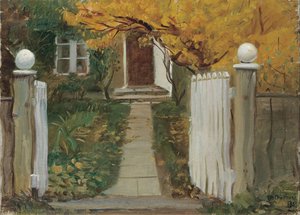
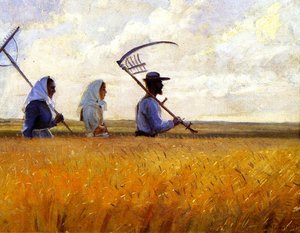
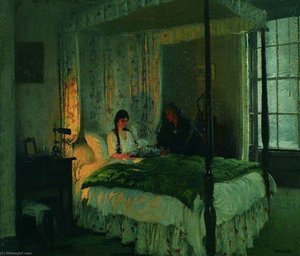
Artist Biography
A Life Bathed in the Light of Skagen
Anna Kirstine Brøndum Ancher, forever known as Anna Ancher, occupies a unique and cherished position within Danish art history. Born in 1859 in the remote fishing village of Skagen, at the very tip of Denmark’s Jutland peninsula, she was intrinsically linked to the landscape and community that would become synonymous with her artistic vision. Unlike many of her fellow *Skagen Painters*, Anna wasn't a visitor drawn by the dramatic Nordic light; she *was* of Skagen, born and raised within its bracing winds and ever-changing skies. This deep connection imbued her work with an authenticity and intimacy rarely found in artists who merely observed from afar. Her father, Erik Andersen Brøndum, owned the renowned Brøndums Hotel, a haven for artists seeking to capture the raw beauty of the region – a constant exposure that undoubtedly nurtured her early artistic inclinations. From childhood, she was surrounded by creative energy and the stimulating exchange of ideas, laying the foundation for a life dedicated to painting.Formative Years and Artistic Development
Anna’s talent blossomed early, prompting her family to support her formal training. She spent three years at the Vilhelm Kyhn College of Painting in Copenhagen, honing her skills in drawing and developing a distinctive style characterized by sensitive observation and a nuanced understanding of color. However, it was her time studying in Paris, at the atelier of Pierre Puvis de Chavannes alongside Marie Triepcke (later Krøyer), that broadened her artistic horizons. This exposure to new techniques and perspectives proved invaluable, yet she always remained true to her Nordic roots. In 1880, a pivotal moment arrived when she married Michael Ancher, another prominent Skagen Painter. Their partnership was not only a personal union but also an artistic one, fostering mutual inspiration and support throughout their careers. Despite societal expectations that often confined women to domestic roles, Anna continued to paint prolifically after her marriage and the birth of their daughter, Helga, demonstrating remarkable dedication to her craft.Capturing Everyday Life and the Essence of Light
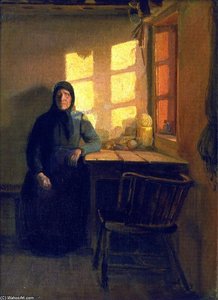
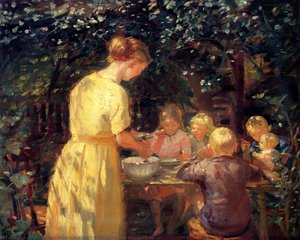
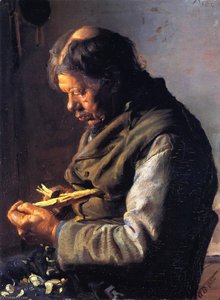
Anna Ancher’s artistic focus centered on portraying the everyday lives of the people of Skagen – fishermen, their wives, and children – within intimate domestic settings. She wasn't interested in grand historical narratives or mythological scenes; instead, she found beauty and significance in the ordinary moments of existence. Her paintings are characterized by a remarkable sensitivity to light and color, skillfully capturing the fleeting effects of sunlight streaming through windows, illuminating interiors with a warm, inviting glow. Works like *Blue Ane* (1882) showcase her mastery of color interplay, while *The Girl in the Kitchen* (1883-1886) offers a poignant glimpse into domestic life. She possessed an exceptional ability to convey atmosphere and emotion through subtle nuances of tone and texture. Her later work, such as *Interior with Clematis* (1913), further demonstrates her evolving skill in exploring the interplay of light and shadow, creating scenes that are both visually captivating and emotionally resonant. She wasn’t merely depicting what she saw; she was conveying how it *felt* to be present in those moments.Legacy and Lasting Influence
Anna Ancher's contributions to Danish art extend beyond her individual paintings. As a pioneering female artist, she challenged conventional norms and paved the way for future generations of women artists. Her work played a crucial role in the development of Danish Impressionism and the broader Nordic Modern Breakthrough movement, which sought a more truthful and authentic representation of reality. Today, her paintings are held in prestigious collections such as the Hirschsprung Collection in Copenhagen, Helga Anchers Fond, and Skagens Museum – testaments to her enduring artistic merit. The Anchers’ home in Skagen has been preserved as a museum, *Anchers Hus*, offering visitors a unique opportunity to step back in time and experience the world that inspired their art. It stands as a living tribute to their lives and work, ensuring that Anna Ancher's legacy continues to inspire and captivate audiences for years to come. Her ability to find profound beauty in the simplicity of everyday life, coupled with her masterful handling of light and color, solidifies her place as one of Denmark’s most beloved and significant artists.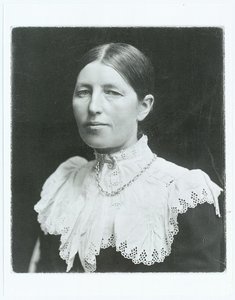
Anna Kirstine Ancher
1859 - 1935 , Denmark
Quick Facts
- Artistic Movement Or Style: Impressionism, Nordic art
- Artists Who Influenced This Artist:
- Pierre Puvis de Chavannes
- Marie Triepcke Krøyer
- Date Of Birth: August 18, 1859
- Date Of Death: April 15, 1935
- Full Name: Anna Kirstine Ancher
- Nationality: Danish
- Notable Artworks:
- Blue Ane
- The Girl in the Kitchen
- Syende fiskerpige
- Interior with Clematis
- Sheep Shearing
- Plucking the Christmas Goose
- Place Of Birth: Skagen, Denmark
Related Articles
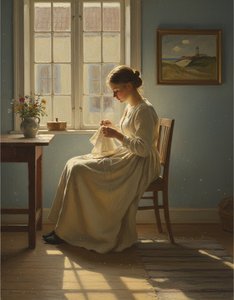
Anna Ancher: Capturing Light & Domesticity in the Skagen Tradition
Discover Anna Ancher (1859-1935), a leading figure of the Skagen Painters. Explore her captivating depictions of domestic life, masterful use of light, and lasting legacy in Danish Impressionism. Learn more at ArtsDot.
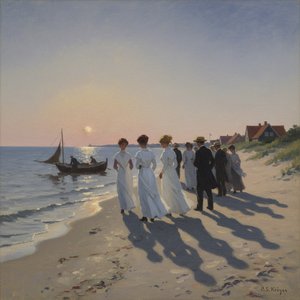
Peder Severin Krøyer: Capturing the Ephemeral Light of Danish Modern Life
Explore the luminous world of Peder Severin Krøyer, a master of Danish Impressionism. Discover his iconic Skagen paintings, artistic evolution, and lasting legacy. Learn about collecting Krøyer's works & find museum-quality reproductions.
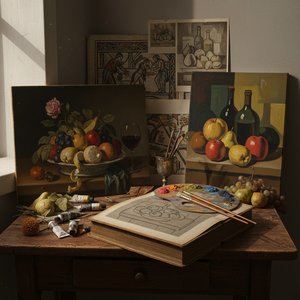
Silent Narratives: Exploring the Enduring Appeal of Still Life Painting Across Centuries
Explore the rich history of still life painting with ArtsDot. Discover Dutch Masters, decode vanitas symbolism & learn about collecting timeless art. Expert insights and museum-quality reproductions.

Impressionistic Landscapes: 10 Masterpieces That Changed Art & Decor
Journey into the heart of Impressionism! Explore 10 masterpieces by Monet, Renoir & Degas that revolutionized landscape art. Discover their stories, techniques & find museum-quality reproductions to elevate your home decor on ArtsDot.com.
Impressionistic Realism's Finest: 10 Masterpieces for Your Home | ArtsDot
Journey through Impressionistic Realism with 10 iconic masterpieces by Monet, Renoir & Van Gogh. Explore art history, techniques & find museum-quality reproductions for your home at ArtsDot.com. Discover all masterpieces online!