

 Preview
 Send
Send Share
Share
 Details

 Download
 Similars
 X-Ray
X-Ray Diaporama
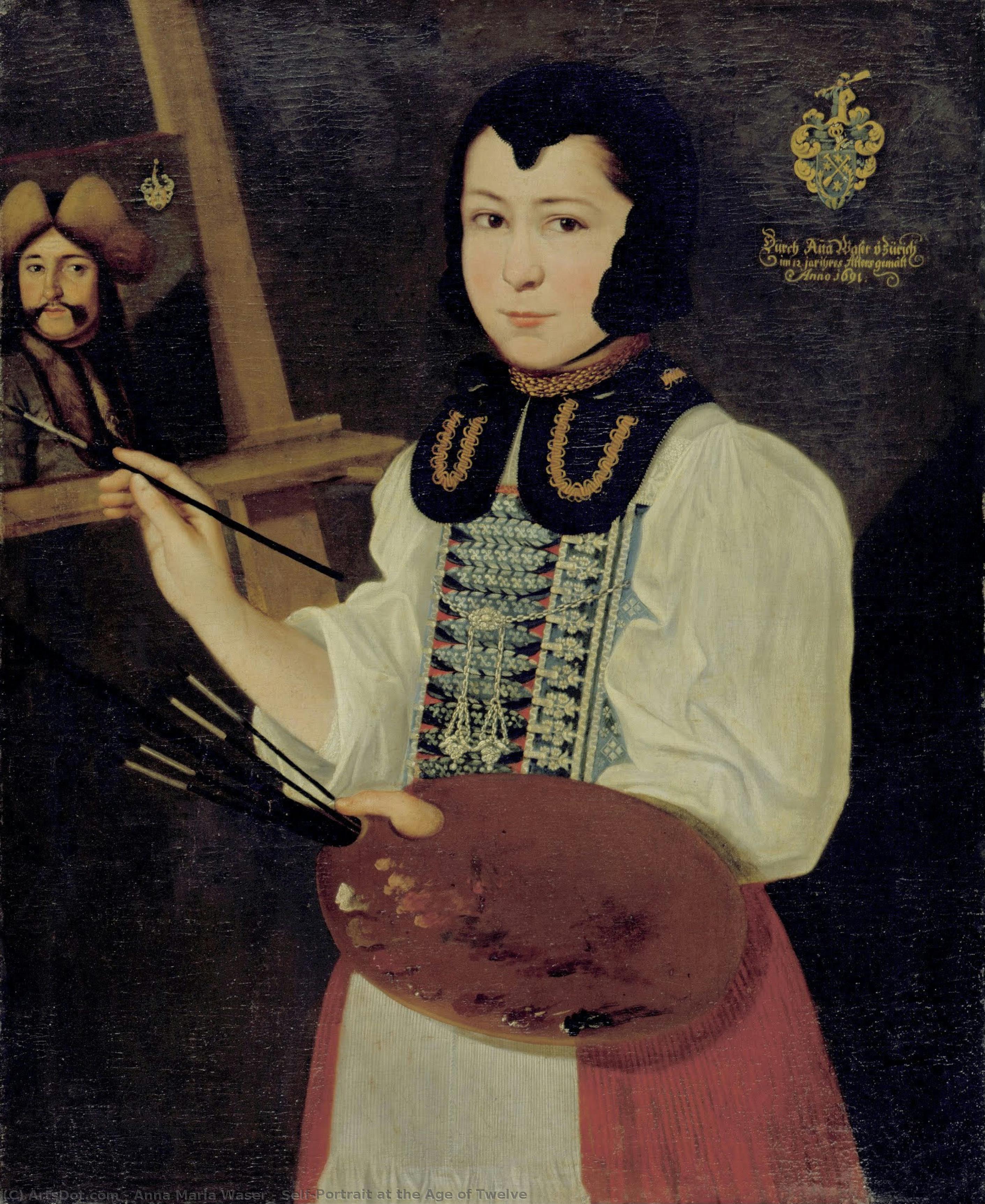
Self-Portrait at the Age of Twelve
 Oil On Canvas
- WallArt
- Baroque Painting
 1691
1691 83.0 x 68.0 cm
 Kunsthaus Zürich
 Read More
Purchase a high-resolution, enhanced digital image, far superior to the online preview.
Each file is meticulously prepared by our in-house specialists using advanced tools and expert manual retouching. We ensure every image has exceptional clarity, precise color accuracy, and fine detail.
The final file is delivered via email within 72 hours, optimized for immediate use in professional, editorial, and print environments. This is the same quality trusted by top-tier design studios, publishers, and galleries.
Digital Image
Download a high-resolution file for personal display, printing, and creative projects. ( Buy Print Buy Hand Made Painting)
Included in Every Digital Image Order
Expert Digital Delivery, Guaranteed
When you choose ArtsDot.com, you're not just getting an image - you're receiving a professionally enhanced digital artwork, crafted with precision and backed by a satisfaction guarantee. Here's everything that comes with your order, automatically:

Fast Email Delivery
Your high-resolution digital image file will be emailed to you within 72 hours of ordering - ready for immediate use.

AI-Enhanced Digital File
Your artwork is professionally optimized using advanced AI tools and manual editing, ensuring maximum detail, clarity, and color accuracy.

Free Lifetime Re-Delivery
Accidentally deleted or lost your file? No worries - we'll resend it to you anytime, free of charge.

No Import Fees - Ever
Enjoy your artwork instantly with zero customs, duties, or delivery fees - digital downloads are always tax-free.

Color Accuracy Guarantee
We ensure your digital image reflects the original colors as closely as possible using professional tools and color management.

60-Day Satisfaction Guarantee
If you're not satisfied with your digital image, we'll revise it or refund 100% within 60 days - no questions asked.

100% Money-Back Guarantee
Not satisfied? Get a full refund within 60 days of receiving your digital file - no questions asked.

Bulk Order Discounts
Buy 3 images, save 10% - Buy 5, save 15% - Buy 10+, save 20%. Great for creative projects, galleries, and agencies.
Collectible Description
A Window Into Youth: Anna Maria Waser’s “Self-Portrait at the Age of Twelve”
Anna Maria Waser's "Self-Portrait at the Age of Twelve," painted in 1691, isn’t merely a depiction of a young girl; it’s a remarkably poignant and surprisingly mature glimpse into the burgeoning talent of a pioneering Swiss artist. This captivating work, now residing within the Kunsthaus Zürich’s collection, transcends its youthful subject matter to reveal a profound understanding of light, composition, and the very essence of self-representation – qualities that would define Waser's distinguished career.
The painting immediately draws the eye with its intimate scale. Measuring just 83 x 68 centimeters, it feels remarkably personal, as if offering an invitation into a private moment. The young girl, identified as Anna Maria herself, stands before a simple wooden table, upon which rests a palette and brushes – tools of her nascent craft. Her gaze is direct, unwavering, holding the viewer captive with an intensity that belies her age. She’s not posing for the camera; she's engaged in the act of creation itself, radiating a quiet confidence and focused determination.
Waser’s technique is characterized by a remarkable attention to detail and a masterful manipulation of light. The soft, diffused illumination suggests an afternoon sun filtering through a window, casting gentle shadows that subtly define her features and the textures of her clothing. Notice how she renders the brush in her hand – not with stark realism, but with a delicate suggestion of form and movement, hinting at the creative process unfolding before us. The use of oil paints allows for subtle gradations of tone, creating a sense of depth and volume that elevates the portrait beyond a simple likeness.
A Pioneer in a Male-Dominated World
Understanding the historical context is crucial to appreciating Waser’s achievement. In 17th and 18th century Switzerland, the world of art was overwhelmingly dominated by men. Women were largely excluded from formal training and professional opportunities. Anna Maria's journey as a female artist – particularly one who trained alongside male peers – represents a significant challenge to societal norms and a testament to her unwavering dedication. Her appointment as court painter to Count Wilhelm Moritz von Solms-Braunfels in 1699 was a remarkable breakthrough, demonstrating the recognition of her considerable skill.
Her time at Joseph Werner’s workshop in Bern, where she studied alongside male apprentices, provided an invaluable education. While often overlooked in historical accounts, this experience undoubtedly shaped her artistic development, allowing her to hone her skills and develop a unique perspective. The fact that she was the *only* female student within the workshop is itself a powerful statement about the barriers she faced and the determination required to pursue her passion.
Symbolism of Youth and Self-Discovery
The “Self-Portrait at the Age of Twelve” isn’t simply a record of a young girl; it's an exploration of identity and self-discovery. The act of painting, of capturing one’s own image on canvas, is inherently a process of introspection. Waser’s choice to depict herself in this moment – engaged in the creative act – suggests a nascent understanding of her own potential and a desire to define herself through art.
The inclusion of the table with the palette and brushes further reinforces this symbolism. These are not merely tools for creating a portrait; they represent the very instruments of self-expression, the means by which she is forging her artistic identity. The arrow pointing towards the painting itself could be interpreted as an invitation to contemplate the process of creation – the journey from observation to representation.
A Timeless Masterpiece
“Self-Portrait at the Age of Twelve” endures not just for its technical brilliance, but also for its emotional resonance. It’s a remarkably intimate and honest portrayal of a young girl on the cusp of artistic maturity – a testament to the power of observation, the beauty of simplicity, and the enduring legacy of a pioneering Swiss artist. Reproductions of this work offer a captivating window into a pivotal moment in art history, inviting us to contemplate the origins of talent and the transformative potential of self-expression.
Related Artworks

Artist Biography
Anna Maria Waser: A Pioneering Swiss Painter
Early Life and Training
- Born: October 16, 1678, in Zurich, Switzerland.
- Anna Maria Waser came from a family that valued education and the arts, fostering her early interest in painting despite societal norms.
- Her initial artistic training began with Johannes Sulzer in Winterthur, laying the foundation for her future development.
- At the age of fourteen, she moved to Bern to study under the guidance of Joseph Werner, a leading Swiss painter.
Artistic Development and Career
- Waser’s time in Werner's workshop was unique, as she was the only female student among her male peers. This provided invaluable opportunities for honing her skills.
- She quickly demonstrated exceptional talent, evident in early works like her Self-Portrait at the Age of Twelve (1691), showcasing confidence and mastery.
- In 1699, a significant milestone was reached when she was appointed as court painter to Count Wilhelm Moritz von Solms-Braunfels, marking growing international recognition.
- Her career path wasn’t without interruption; family obligations occasionally called her back to Zurich, impacting the consistency of her artistic output.
Notable Works and Style
- Self-Portrait at the Age of Twelve (1691): A remarkable early work demonstrating precocious skill and self-assurance.
- Waser’s style is characterized by its attention to detail, realism, and a human touch in her portraits. She excelled in miniature painting as well.
- Her works often featured portraits of prominent individuals, reflecting her position within aristocratic circles.
Influences and Artistic Context
- Waser’s artistic development was influenced by both Johannes Sulzer and Joseph Werner, who provided her with foundational training in painting techniques.
- She worked within the Baroque tradition, a style prevalent during the 17th and early 18th centuries, characterized by drama, rich colors, and detailed ornamentation.
- The social context of the time presented challenges for female artists; Waser’s success was particularly noteworthy given these constraints.
Legacy and Historical Significance
- Anna Maria Waser's career broke societal conventions, paving the way for future generations of female artists in Switzerland.
- Her work continues to be appreciated for its technical skill, authenticity, and insightful portrayal of her subjects.
- Her paintings are featured in prominent collections such as the Kunsthaus Zürich, ensuring her place in Swiss art history.
- Died: September 20, 1714.
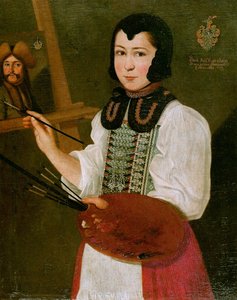
anna maria waser
1678 - 1714 , Switzerland
Quick Facts
- Birth Date: 1678-10-16
- Birth Place: Zurich, Switzerland
- Death Date: 1714-09-20
- Influenced By: Johannes Sulzer, Joseph Werner
- Movement: Baroque
- Name: Anna Maria Waser
- Nationality: Swiss
- Notable Works: Self-Portrait at the Age of Twelve (1691)

