

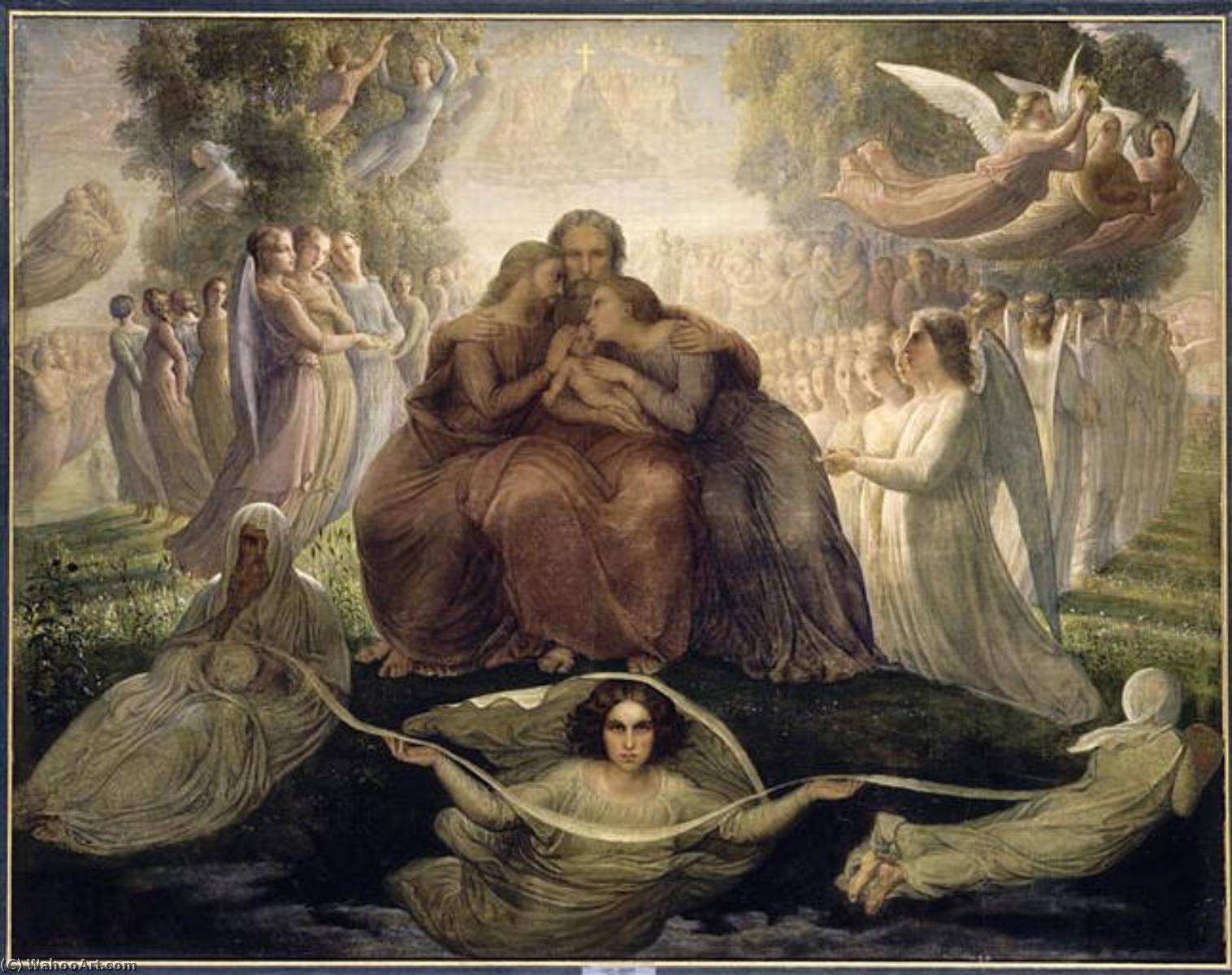
 Preview
 Send
Send Share
Share
 Details

 Download
 Similars
 X-Ray
X-Ray Diaporama
GENERATION DIVINE
 Read More
Purchase a high-resolution, enhanced digital image, far superior to the online preview.
Each file is meticulously prepared by our in-house specialists using advanced tools and expert manual retouching. We ensure every image has exceptional clarity, precise color accuracy, and fine detail.
The final file is delivered via email within 72 hours, optimized for immediate use in professional, editorial, and print environments. This is the same quality trusted by top-tier design studios, publishers, and galleries.
Digital Image
Download a high-resolution file for personal display, printing, and creative projects. ( Buy Print Buy Hand Made Painting)
Included in Every Digital Image Order
Expert Digital Delivery, Guaranteed
When you choose ArtsDot.com, you're not just getting an image - you're receiving a professionally enhanced digital artwork, crafted with precision and backed by a satisfaction guarantee. Here's everything that comes with your order, automatically:

Fast Email Delivery
Your high-resolution digital image file will be emailed to you within 72 hours of ordering - ready for immediate use.

AI-Enhanced Digital File
Your artwork is professionally optimized using advanced AI tools and manual editing, ensuring maximum detail, clarity, and color accuracy.

Free Lifetime Re-Delivery
Accidentally deleted or lost your file? No worries - we'll resend it to you anytime, free of charge.

No Import Fees - Ever
Enjoy your artwork instantly with zero customs, duties, or delivery fees - digital downloads are always tax-free.

Color Accuracy Guarantee
We ensure your digital image reflects the original colors as closely as possible using professional tools and color management.

60-Day Satisfaction Guarantee
If you're not satisfied with your digital image, we'll revise it or refund 100% within 60 days - no questions asked.

100% Money-Back Guarantee
Not satisfied? Get a full refund within 60 days of receiving your digital file - no questions asked.

Bulk Order Discounts
Buy 3 images, save 10% - Buy 5, save 15% - Buy 10+, save 20%. Great for creative projects, galleries, and agencies.
Related Artworks









Artist Biography
A Life Bridging Romanticism and Symbolism
Anne-François-Louis Janmot, a name perhaps less instantly recognizable than some of his contemporaries, occupies a fascinating and pivotal position in 19th-century French art. Born in Lyon in 1814, his life was deeply interwoven with the shifting currents of artistic thought, transitioning from the emotive fervor of Romanticism towards the more introspective realms of Symbolism. Janmot’s early years were marked by a profound sense of loss; the deaths of siblings cast a long shadow, instilling within him a spiritual sensitivity and melancholic undercurrent that would permeate his oeuvre. This personal tragedy wasn't merely biographical detail but became a foundational element shaping his artistic vision—a constant exploration of mortality, faith, and the human condition. Raised in a devoutly Catholic household, Janmot’s upbringing instilled a deep religious conviction which served as both inspiration and subject matter throughout his career.Formative Years and Artistic Development
Janmot's artistic journey began with formal education at the Royal College of Lyon, where he encountered influential figures like Frederic Ozanam and absorbed the philosophical currents championed by Abbé Noirot. He quickly demonstrated a talent for art, earning the prestigious Golden Laurel at the École des Beaux-Arts de Lyon in 1832. This success propelled him to Paris, where he studied under Victor Orsel and, crucially, Jean-Auguste-Dominique Ingres. While Ingres’s emphasis on precise draftsmanship and classical form undoubtedly honed Janmot's technical skills—a mastery evident throughout his work—Janmot didn’t simply replicate his teacher’s style. He absorbed the discipline but allowed his own unique sensibility to flourish. His artistic horizons broadened further during a period of study in Rome, where he encountered the Nazarene movement, a group of German Romantic artists who sought to revive the spirituality and simplicity of early Renaissance art. The influence of literary giants like Shakespeare and Dante also proved formative, fostering an allegorical and poetic approach that would characterize his mature work.The "Poem of the Soul" and Major Works
Janmot first gained recognition at the Salon de Paris with large-scale religious paintings such as The Resurrection of the Son of the Widow of Nain (1839) and Christ in Gethsemane (1840), demonstrating his ability to command both technical skill and emotional resonance. However, it was his painting Flower of the Fields (1845) that truly captured attention, notably from Charles Baudelaire, opening doors to wider exposure. Yet, Janmot’s most ambitious undertaking—and arguably his magnum opus—was “The Poem of the Soul.” This monumental cycle comprised eighteen paintings and sixteen drawings, each accompanied by verses penned by the artist himself. Spanning four decades of dedicated work, "The Poem of the Soul" is a deeply personal exploration of spiritual yearning, earthly suffering, and the search for transcendence. It’s not merely a series of images but an immersive narrative—a visual poem that invites contemplation on life's profound mysteries. Beyond this central project, Janmot received numerous commissions to decorate churches, including significant frescoes at the Church of St. Polycarp and intricate decorations for the dome of the Church of St. Francis de Sales, showcasing his versatility and skill in large-scale decorative work.Legacy and Historical Significance
Despite facing personal hardships—financial difficulties compounded by family tragedies, including the loss of his wife—Janmot remained committed to his art throughout his life. He continued to create, even completing a fresco for a chapel in the Holy Land and continuing work on “The Poem of the Soul” until his death in 1892. Janmot’s historical significance lies in his transitional role between Romanticism and Symbolism. He wasn't simply caught *between* movements but actively foreshadowed aspects of both. His exploration of inner states, symbolic imagery, and spiritual themes anticipated the concerns of the Symbolists, while his technical precision and allegorical narratives retained a connection to the Romantic tradition. He is often cited as an influence on the Pre-Raphaelite Brotherhood, and artists like Puvis de Chavannes, Odilon Redon, and Maurice Denis greatly admired his work. Janmot represents a unique synthesis—a blend of Ingres’s meticulous technique with a deeply felt mysticism that continues to resonate with viewers today. He stands as a testament to the power of art to grapple with life's most profound questions and offer glimpses into the realm of the soul.Key Characteristics & Style
- Religious Allegory: Janmot’s work is consistently imbued with strong religious themes, often presented through allegorical narratives that invite interpretation.
- Mysticism: A profound sense of spirituality permeates his paintings and poetry, reflecting his devout Catholic upbringing and personal experiences.
- Technical Mastery: His rigorous training under Ingres resulted in a high level of technical skill, evident in the precise draftsmanship and attention to detail found throughout his oeuvre.
- Precursor to Symbolism: Janmot’s exploration of inner states, symbolic imagery, and subjective experience anticipates the development of Symbolist art, making him a key figure in the transition between artistic movements.
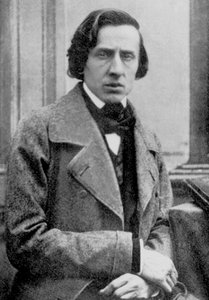
Anne François Louis Janmot
1814 - 1892 , France
Quick Facts
- Artistic Movement Or Style: Romanticism & Symbolism
- Artists Or Movements Influenced By This Artist:
- Pre-Raphaelites
- Puvis de Chavannes
- Odilon Redon
- Artists Who Influenced This Artist:
- Shakespeare
- Dante
- Ingres
- Date Of Birth: 1814
- Date Of Death: 1892
- Full Name: Anne François Louis Janmot
- Nationality: French
- Notable Artworks:
- The Resurrection
- Flower of the Fields
- Poem of the Soul
- Christ in Gethsemane
- Place Of Birth: Lyon, France

