 Send
Send Share
Share
 Details

 Download
 Similars
 Diaporama
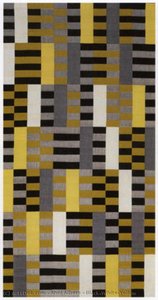
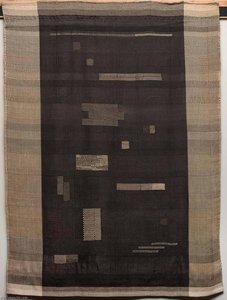
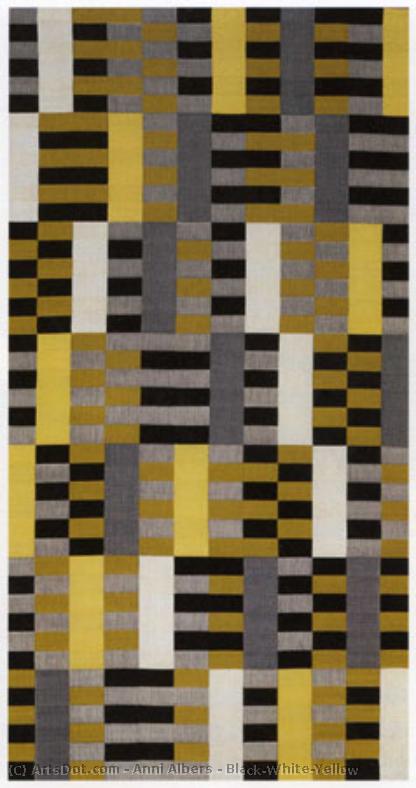
Black-White-Yellow


 Read More
Hand Made Oil Reproduction
Hand-painted oil on canvas in your size and frame, made to order by our artists. ( Buy Print Buy Image)




































Pick from our preset sizes that match the artwork's original proportions.

You may enter your own dimensions to fit a specific frame or space. If your selected size does not match the original image's proportions, we will either crop the artwork or extend the painting with additional hand-painted elements. A digital mockup will be sent for your approval before production begins.
Please note that the on-screen preview does not reflect the actual cropping or extension. Only the mockup will accurately show the final composition.
While custom sizes are available, we recommend selecting a dimension from the predefined list to preserve the original proportions.
After order, ArtsDot.com team will email client for instructions and provide a mockup preview
Worldwide Delivery () in 3/4 weeks instead of standard 5 weeks. (18 August). No compromise on quality.

Free Worldwide Express Shipping

High-Quality Linen Canvas

Full Shipping Insurance

Customs Tax Refund Guarantee

True Color Matching Guarantee

60-Day Return Policy (Defects Only)

100% Money-Back Guarantee

Bulk Discount Offer
 Glass option is only available in size under 110 CM

Black-White-Yellow
Reproduction Medium
Reproduction Size
-


Total Price
$ 263
Artwork Description
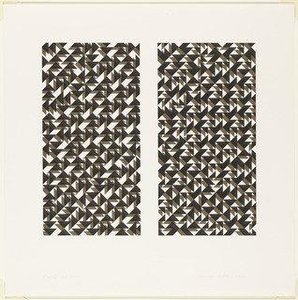
A Geometric Symphony of Color and Texture: Exploring Anni Albers’ “Black-White-Yellow”
Anni Albers’ “Black-White-Yellow,” created in 1926, stands as a cornerstone of Bauhaus aesthetics and a testament to the transformative power of textile art. More than just a decorative object, this woven tapestry embodies principles of functional design and geometric abstraction—a radical departure from prevailing artistic conventions of its time.
Composition and Technique: The Bauhaus Influence
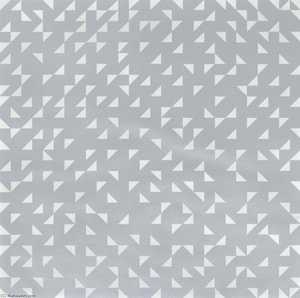
The artwork’s visual impact begins with its meticulously structured grid pattern composed of rectangular blocks. These shapes are arranged symmetrically, generating a sense of calm order and deliberate rhythm – hallmarks of the Bauhaus movement championed by Walter Gropius. Albers' mastery lies in her ability to translate theoretical concepts into tangible form through weaving; she skillfully manipulates yarn threads to create precise lines and contours that define the geometric elements.
- Material: Mercerized cotton and silk – chosen for their durability and textural qualities.
- Technique: Weaving—a technique rooted in craftsmanship but elevated to an art form through Albers’ innovative approach.
- Dimensions: Unknown (re-woven by Gunta Stölzl in 1965) – The original piece was lost, ensuring its reproduction maintains the integrity of the artist's vision.
Color Palette and Symbolic Resonance
The color scheme—black, white, and ochre (mustard)—is deceptively simple yet profoundly expressive. These hues are strategically distributed across the woven surface, creating intersecting bands and squares that contribute to the artwork’s dynamic visual interplay. The careful selection of colors speaks to a broader exploration of chromatic absence – a technique favored by artists like Malevich and Klein—and invites contemplation on the emotional depth achievable through restrained color palettes.
Beyond its formal qualities, “Black-White-Yellow” carries symbolic weight. The grid pattern represents order and rationality, mirroring Bauhaus ideals; repetition reinforces visual harmony and emphasizes the meditative nature of the piece. The yellow hue – often associated with warmth and optimism—introduces a subtle counterpoint to the dominant coolness of black and white, suggesting an underlying tension that enhances its aesthetic appeal.
A Legacy of Innovation
“Black-White-Yellow” exemplifies Albers’ pioneering role in blurring the boundaries between craft and fine art. Her work at Bauhaus challenged traditional notions of artistic expression, advocating for a synthesis of aesthetics and functionality—a legacy that continues to inspire designers and artists today. As showcased prominently at The Metropolitan Museum of Art, this remarkable textile piece serves as an enduring symbol of modernist innovation and the transformative potential of geometric abstraction.
Related Artworks
Artist Biography
Early Life and Artistic Foundations
Anni Albers, born Annelise Elsa Frieda Fleischmann in Berlin on June 12, 1899, emerged from a family that fostered both artistic inclination and intellectual pursuit. Her father, a furniture manufacturer, instilled an appreciation for craftsmanship and form, while her mother’s lineage within a prominent publishing house cultivated a sensitivity to visual communication and the power of imagery. Even as a young girl, Anni demonstrated a natural talent for art, receiving early training under the tutelage of Impressionist painter Martin Brandenburg. However, it was her enrollment at the Bauhaus in Weimar in 1922 that truly ignited her artistic trajectory, despite initial limitations imposed by prevailing gender biases. The Bauhaus, with its revolutionary approach to design and integration of arts and crafts, proved a fertile ground for Albers’s burgeoning creativity. Initially restricted to the weaving workshop—a common fate for female students at the time—she found within this seemingly constrained discipline an unexpected avenue for profound artistic expression.The Bauhaus Years and Collaborative Spirit
Under the mentorship of Gunta Stölzl, a visionary weaver who championed the medium’s potential beyond mere functionality, Anni Albers discovered her passion. She quickly rose through the ranks, eventually becoming head of the weaving workshop in 1931. This wasn't simply about mastering technique; it was about reimagining textiles as dynamic works of art capable of influencing space and experience. The Bauhaus ethos permeated her work—a focus on functional design, a commitment to materials, and an exploration of geometric abstraction. Crucially, these years also marked the beginning of a profound artistic partnership with Josef Albers, whom she married in 1925. Their relationship was one of mutual respect, intellectual exchange, and shared dedication to exploring the fundamental elements of visual language. They challenged each other’s perspectives, influencing their individual paths while forging a unique collaborative spirit that would define much of their subsequent work. The Bauhaus innovations weren't merely aesthetic; Albers focused on textiles combining aesthetics with practical benefits—sound absorption, light reflection—a testament to her belief in design’s power to improve daily life.From Black Mountain College to New Artistic Horizons
The rise of Nazism forced the Alberses to flee Germany in 1933, finding refuge and a new home at Black Mountain College in North Carolina. For sixteen years, they shaped the college’s artistic landscape, establishing a specialized curriculum that seamlessly integrated weaving with industrial design and modern art principles. Anni continued to push the boundaries of textile art, developing her signature “pictorial” weavings—geometric abstractions characterized by a captivating interplay between figure and ground. However, in 1963, she embarked on a new artistic journey, shifting her focus from weaving to printmaking. This transition wasn’t a departure but rather an expansion of her visual vocabulary. Print media allowed her to explore different textures, colors, and compositional possibilities, further refining her exploration of geometric forms and spatial relationships. Her fascination with pre-Columbian art—particularly textiles collected during trips to Mexico—became increasingly evident in her work, informing both her color palettes and her abstract designs.Legacy and Lasting Influence
Anni Albers’s achievements were groundbreaking. In 1949, she became the first textile designer to be granted a solo exhibition at the Museum of Modern Art in New York—a watershed moment that firmly established her as a leading figure in modern design. Her seminal book, *On Weaving* (1965), remains a cornerstone of design history scholarship, elevating the study of textiles beyond mere craft and recognizing its intellectual and artistic significance. Throughout her career, Albers received numerous accolades, including honorary doctorates and lifetime achievement awards. The establishment of the Josef and Anni Albers Foundation ensures that their artistic vision continues to inspire future generations through exhibitions, publications, and educational initiatives. Albers’s historical importance lies in her ability to blur the lines between traditional craft and fine art, challenging conventional hierarchies and expanding our understanding of what constitutes artistic expression. She was a true pioneer, not only as a textile artist but also as a woman navigating a male-dominated field. Her work continues to resonate today, reminding us of the power of design to transform our surroundings and enrich our lives. She redefined textiles, elevating them from functional objects to compelling works of art that speak to the fundamental principles of form, color, and texture. Her legacy endures as a testament to her unwavering commitment to innovation, experimentation, and the enduring beauty of geometric abstraction.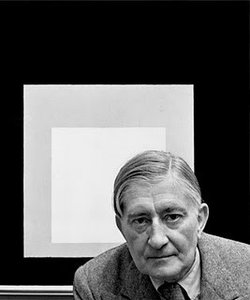
Anni Albers
1899 - 1994 , Germany
Quick Facts
- Artistic Movement Or Style: Bauhaus, Geometric Abstraction
- Artists Or Movements Influenced By This Artist:
- Modern Design
- Textile Art
- Artists Who Influenced This Artist:
- Martin Brandenburg
- Gunta Stölzl
- Josef Albers
- Date Of Birth: June 12, 1899
- Date Of Death: May 9, 1994
- Full Name: Anni Albers
- Nationality: German-Jewish
- Notable Artworks:
- Connections 1925 1983
- Fox II
- Study for a hooked rug
- Place Of Birth: Berlin, Germany
Related Articles

Geometric Abstraction's 10 Defining Masterpieces | Art for Your Home - ArtsDot
Explore 10 defining masterpieces of Geometric Abstraction! Discover Kandinsky, Mondrian & Malevich’s iconic works. Find museum-quality art reproductions and curated decor ideas to elevate your home at ArtsDot.com.
Kandinsky's Masterpieces: 25 Paintings That Define Abstract Art | ArtsDot
Journey through Wassily Kandinsky's 25 most iconic abstract paintings. Explore his revolutionary use of color, form & spiritual expressionism. Find museum-quality Kandinsky reproductions and elevate your home decor with ArtsDot.com. Discover all masterpieces on ArtsDot.com!
Beyond Form & Color: Geometric Abstraction's Evolution in 20th/21st Century Art
Explore the evolution of geometric abstraction from Cubism to contemporary art. Discover key artists like Malevich & Mondrian, investment insights, and expert collecting advice at ArtsDot.
Kazimir Malevich: 25 Masterpieces of Suprematism & Abstract Art | ArtsDot
Explore 25 iconic artworks by Kazimir Malevich, pioneer of Suprematism & abstract art. Discover the stories behind 'Black Square' and more! Find museum-quality prints & elevate your home decor with ArtsDot.com.
Beyond Form & Color: Geometric Abstraction's Enduring Legacy in Art History
Explore the captivating world of geometric abstraction! Discover its origins, key artists like Malevich & Mondrian, and why this movement remains highly valued by art collectors today. Expert insights at ArtsDot.