 Preview
 Send
Send Share
Share
 Details

 Download
 Similars
 X-Ray
X-Ray Diaporama
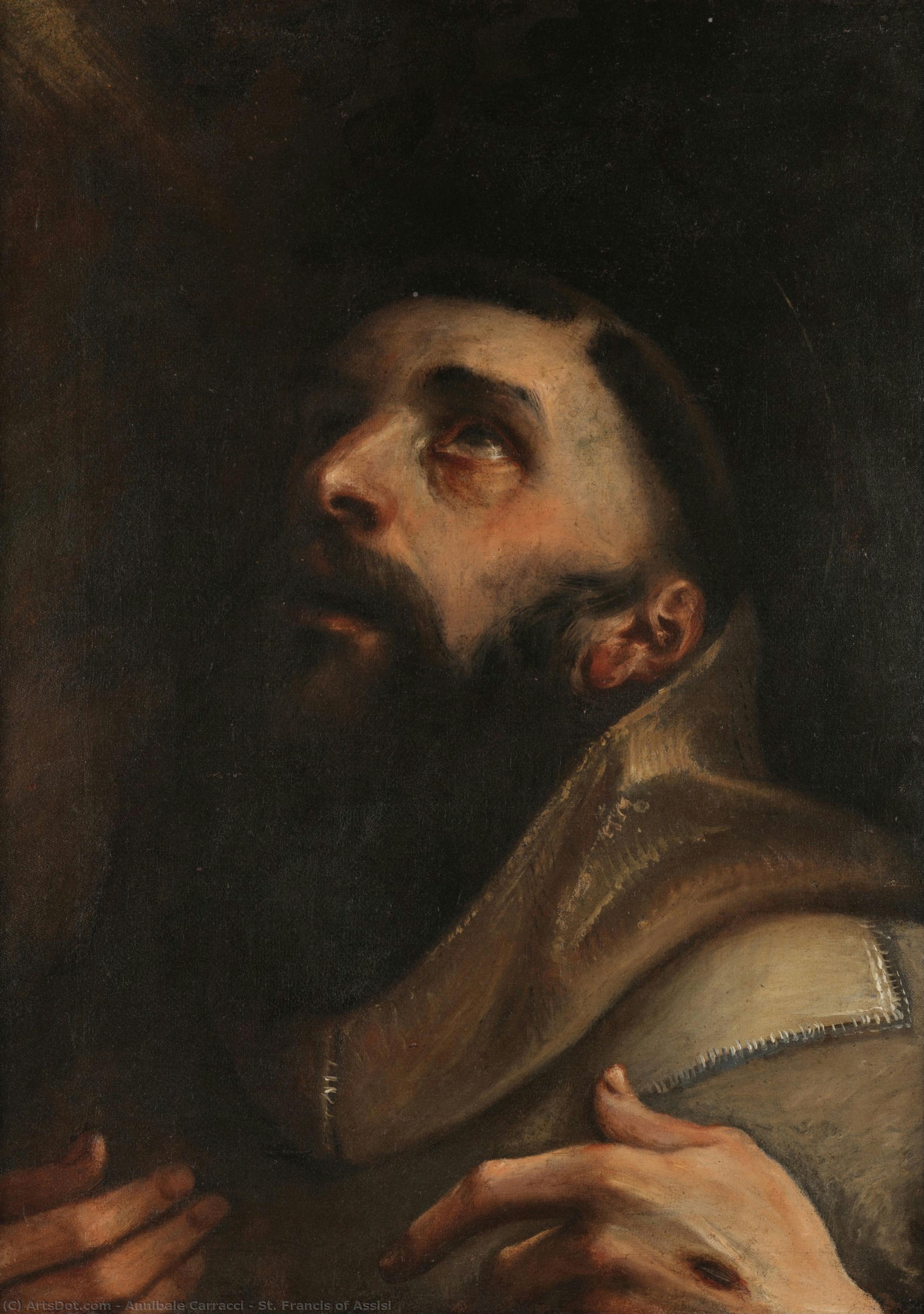
St. Francis of Assisi


 Read More
Hand Made Oil Reproduction
Hand-painted oil on canvas in your size and frame, made to order by our artists. ( Buy Print Buy Image)




P118B $10

P118H $10

P118W $10

P438Z $10

P508JH $12

P508YH $12

P805H $10

P805Z $10

P919BZ $10

P919G $10

P919XJ $10

P959ZH $10

P968JZ $12

W106C $8

W218G $10

W218JH $8

W218Y $10

W307PJ $10

W316G $10

W316PJ $8

W316Y $10

W398PJ $8

W4111J $10

W500HY $15

W500JH $15

W692G $12

W849H $8

W940BG $15

W953PJ $8




Pick from our preset sizes that match the artwork's original proportions.

You may enter your own dimensions to fit a specific frame or space. If your selected size does not match the original image's proportions, we will either crop the artwork or extend the painting with additional hand-painted elements. A digital mockup will be sent for your approval before production begins.
Please note that the on-screen preview does not reflect the actual cropping or extension. Only the mockup will accurately show the final composition.
While custom sizes are available, we recommend selecting a dimension from the predefined list to preserve the original proportions.
After order, ArtsDot.com team will email client for instructions and provide a mockup preview
Worldwide Delivery () in 3/4 weeks instead of standard 5 weeks. (17 August). No compromise on quality.

Free Worldwide Express Shipping

High-Quality Linen Canvas

Full Shipping Insurance

Customs Tax Refund Guarantee

True Color Matching Guarantee

60-Day Return Policy (Defects Only)

100% Money-Back Guarantee

Bulk Discount Offer
 Glass option is only available in size under 110 CM

St. Francis of Assisi
Reproduction Medium
Reproduction Size
-


Total Price
$ 263
Artwork Description
The Apotheosis of Saint Francis: A Vision of Humility and Divine Grace
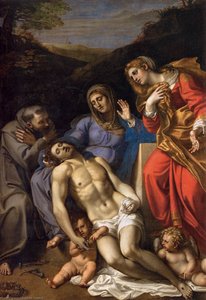
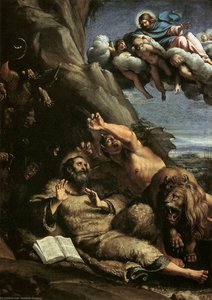
Annibale Carracci’s “St. Francis of Assisi” is not merely a portrait; it's a carefully constructed meditation on faith, humility, and the transformative power of spiritual devotion. Painted in 1585 during his time in Bologna, this work represents a pivotal shift in Carracci’s artistic trajectory – moving away from the elaborate narratives of his Roman period towards a more intimate and profoundly human depiction of religious experience. The painting captures a moment of profound grace, specifically the apotheosis—the ascension or deification—of St. Francis shortly after receiving the stigmata, a visual manifestation of divine favor. It’s a scene brimming with symbolic weight, inviting viewers to contemplate the saint's journey from worldly ambition to selfless service.
A Masterclass in Composition and Light
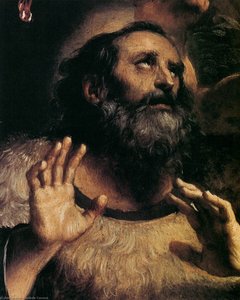
Carracci employs a masterful balance of classical composition and Renaissance naturalism. The figure of St. Francis dominates the canvas, yet he’s not presented as an imposing icon but rather as a vulnerable, almost ethereal presence. His pose—head bowed, hands raised to his chest—is imbued with a palpable sense of humility and reverence. The artist skillfully utilizes chiaroscuro – the dramatic contrast between light and shadow – to draw attention to Francis' face and the radiant light emanating from the upper left corner, suggesting the divine source of the stigmata. This light isn’t merely decorative; it acts as a visual key, hinting at the spiritual transformation occurring within the saint. The background is deliberately dark, emphasizing the figure and creating an atmosphere of solemn contemplation.
Symbolism Woven into Every Detail
The painting is rich in symbolic detail, reflecting the core tenets of Franciscan spirituality. Most prominently, Francis holds aloft one of the five wounds of Christ’s crucifixion – a potent symbol of sacrifice and redemption. The gesture itself—a gentle offering—underscores his commitment to embodying Christ's suffering. The angel descending from above, barely suggested through a luminous haze, represents divine grace and the bestowal of the stigmata. The young Annibale Carracci’s choice to depict this moment of receiving the stigmata is particularly significant; it marks a departure from earlier depictions that focused on Francis's earthly life and emphasizes his spiritual elevation. The inclusion of the young Annibale himself, subtly integrated into the scene as the artist, adds another layer of meaning – suggesting the artist’s own personal journey towards faith and artistic expression.
Contextualizing a Bolognese Masterpiece
Carracci's “St. Francis” emerged during a period of significant artistic change in Italy. Following the High Renaissance, artists were grappling with new stylistic approaches, seeking to reconcile classical ideals with contemporary sensibilities. Carracci’s work exemplifies this transition, blending elements of Mannerism—characterized by elongated figures and complex compositions—with a renewed emphasis on naturalism and emotional expression. The painting's intimate scale – typically executed as a small devotional panel – reflects the growing popularity of private religious art during the 16th century. It’s important to note that this work was created during a time when the Franciscan Order was experiencing a resurgence in influence, and Carracci’s depiction aligns with the order’s emphasis on simplicity, poverty, and direct communion with God. The painting's placement within the broader context of Bolognese art—a region known for its vibrant artistic community and patronage—further illuminates its significance.
A Timeless Reflection on Faith and Humanity
“St. Francis of Assisi” transcends mere representation; it’s a profound meditation on faith, humility, and the human capacity for spiritual transformation. Carracci's masterful use of light, composition, and symbolism creates an image that continues to resonate with viewers centuries later. It serves as a poignant reminder of St. Francis’s extraordinary journey from worldly ambition to selfless devotion—a journey that remains deeply relevant in our own time. Reproductions of this work offer a beautiful opportunity to bring this powerful vision into any space, fostering contemplation and inspiring a deeper appreciation for the enduring legacy of Saint Francis.
Related Artworks
Artist Biography
Early Life and the Bolognese Roots
Annibale Carracci, born in Bologna on November 3, 1560, emerged from a family deeply entrenched in artistic tradition. His initial training likely unfolded within the nurturing environment of his familial workshop, laying the foundation for a career that would profoundly reshape the landscape of Italian painting. Bologna at this time was a vibrant hub of intellectual and artistic ferment, yet it felt somewhat distant from the dominant currents emanating from Rome and Venice. This sense of provincialism fueled a desire among a group of young artists—Annibale, his brother Agostino, and cousin Ludovico—to forge a new path, one that would revitalize Italian art by looking to the masters of the High Renaissance while simultaneously embracing a more naturalistic approach.
In 1582, this ambition materialized in the establishment of the *Accademia degli Incamminati*, initially known as the Academy of the Desiderosi. This wasn’t merely a studio; it was a crucible for artistic innovation, a space dedicated to rigorous life drawing, spirited debate, and a collective pursuit of artistic excellence. The academy's name itself—the “Progressives”—signified their intent: to move beyond the stylistic complexities of Mannerism and chart a new course toward a more grounded, emotionally resonant form of expression. The Incamminati became a model for art academies across Europe, emphasizing observation from life as the cornerstone of artistic training.
A Synthesis of Styles and Influences
Carracci’s artistic vision wasn't born in a vacuum; it was meticulously crafted through a deep engagement with the legacies of past masters. He possessed an extraordinary ability to synthesize diverse influences, creating a style that felt both deeply rooted in tradition and strikingly original. He admired the clarity of line and compositional balance found in the works of Raphael and Andrea del Sarto, seeking to emulate their grace and harmony. Yet, he also recognized the power of color and atmospheric effects championed by Venetian painters like Titian, infusing his own work with a vibrant luminosity and emotional depth.
The influence of Correggio was particularly profound, evident in Carracci’s dynamic compositions and illusionistic techniques—especially those showcased in his frescoes. He wasn't simply copying these masters; he was absorbing their strengths and forging them into something new. This eclectic blend became the hallmark of the Bolognese School, a significant branch of Baroque art that emphasized both classical ideals and naturalistic observation. Carracci’s genius lay in his ability to reconcile seemingly disparate elements, creating a harmonious whole that resonated with both intellectual rigor and emotional power.
The Roman Triumph: Palazzo Farnese and Beyond
The invitation to decorate the Palazzo Farnese in Rome marked a pivotal moment in Annibale Carracci’s career. This monumental commission—a vast fresco cycle depicting scenes from mythology—provided him with an unparalleled opportunity to showcase his artistic prowess and establish his reputation on a grand scale. The *Triumph of Bacchus and Ariadne*, arguably his masterpiece, is a breathtaking display of illusionistic technique, dynamic composition, and vibrant color. The frescoes seem to dissolve the boundaries between painting and reality, drawing the viewer into a world of mythic grandeur.
Alongside the *Triumph*, Carracci also undertook *The Loves of the Gods* at Palazzo Farnese, further exploring themes of mythology and love with a blend of classical idealism and keen observation. These works weren’t merely decorative; they were statements about the power of art to elevate the human spirit and celebrate the beauty of the natural world. His success in Rome solidified his position as one of the leading artists of his time, attracting a stream of commissions and influencing generations of painters.
Legacy and Historical Significance
Annibale Carracci’s impact on art history is immeasurable. He played a crucial role in bridging the gap between the High Renaissance and the Baroque period, moving away from the stylized complexities of Mannerism toward a more dynamic, emotionally charged aesthetic. His emphasis on naturalism—on depicting figures with anatomical accuracy and psychological depth—paved the way for artists like Caravaggio, who would further revolutionize Italian painting with their dramatic use of light and shadow.
The Accademia degli Incamminati, founded by Carracci and his associates, served as a model for art academies throughout Europe, promoting artistic training based on observation and classical principles. His frescoes at Palazzo Farnese remain iconic examples of Baroque illusionism and artistic grandeur, continuing to inspire awe and admiration centuries after their creation. The collective legacy of the Carracci family—Annibale, Agostino, and Ludovico—is one of profound innovation and enduring influence, establishing Bologna as a major center for artistic creativity.
Carracci’s work wasn't simply about technical skill; it was about conveying emotion, telling stories, and celebrating the human experience. He sought to create art that was both beautiful and meaningful, capable of inspiring wonder and provoking thought. His legacy endures not only in his magnificent paintings but also in the enduring principles he championed: a commitment to observation, a reverence for tradition, and an unwavering belief in the power of art to transform the world.
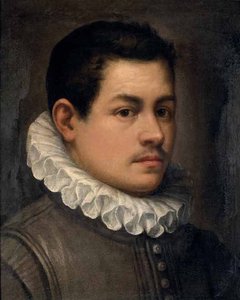
Annibale Carracci
1560 - 1609 , Italy
Quick Facts
- Artistic Movement Or Style: Baroque
- Artists Or Movements Influenced By This Artist:
- Caravaggio
- Bolognese School
- Artists Who Influenced This Artist:
- Raphael
- Andrea del Sarto
- Titian
- Correggio
- Date Of Birth: November 3, 1560
- Date Of Death: July 15, 1609
- Full Name: Annibale Carracci
- Nationality: Italian
- Notable Artworks:
- Triumph of Bacchus
- The Loves of the Gods
- Portrait of Gabrieli
- Place Of Birth: Bologna, Italy
Related Articles
Francis Bacon's Masterpieces: Exploring 25 Iconic Paintings | ArtsDot
Delve into the haunting world of Francis Bacon with ArtsDot. Explore 25 iconic paintings, from his visceral portraits to powerful triptychs. Discover the stories behind these masterpieces & find museum-quality art reproductions for your home. Explore the full collection online!
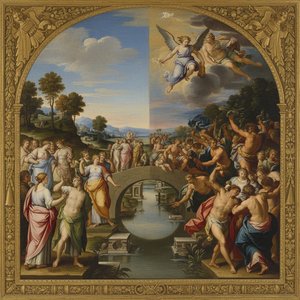
Annibale Carracci: Bridging Renaissance Ideals & Baroque Innovation
Explore the life & art of Annibale Carracci, a pivotal figure bridging Renaissance ideals with Baroque innovation. Discover his masterpieces and lasting influence on Italian painting.

El Greco's Masterpieces: Explore 25 Iconic Paintings & Spiritual Visions | ArtsDot
Journey through El Greco's 25 most iconic paintings! Explore the spiritual depth & dramatic beauty of this Spanish Renaissance master. Discover art history, techniques & find museum-quality reproductions for your home at ArtsDot.com.
Acquiring & Utilizing High-Resolution Digital Images: A Guide for Art Collectors
A comprehensive guide for art collectors on acquiring & utilizing high-resolution digital images. Learn best practices for storage, authentication, restoration & investment analysis. Expert advice from .

Giotto's Masterpieces: 25 Renaissance Artworks for Your Home | ArtsDot
Explore 25 breathtaking artworks by Giotto di Bondone, a Renaissance master. Discover the stories behind iconic frescoes & paintings like the Scrovegni Chapel cycle. Find museum-quality Giotto reproductions and elevate your home decor with ArtsDot.com.