

 Preview
 Send
Send Share
Share
 Details

 Download
 Similars
 X-Ray
X-Ray Diaporama
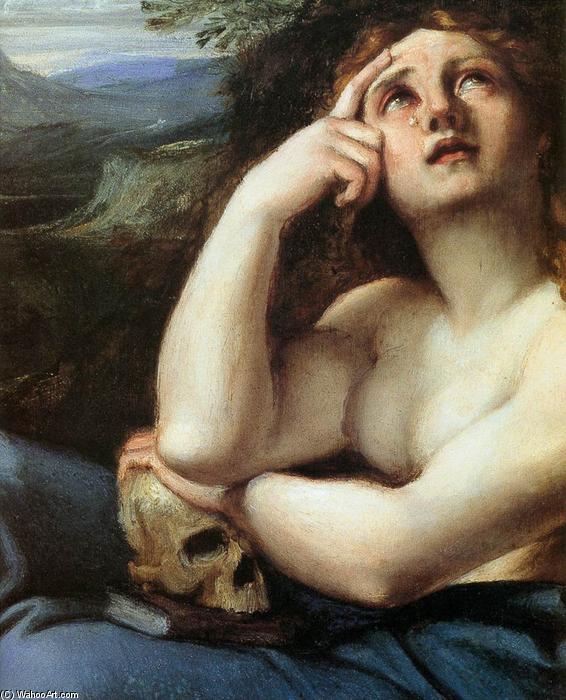
The Penitent Magdalen in a Landscape (detail)


 Read More
Purchase a high-resolution, enhanced digital image, far superior to the online preview.
Each file is meticulously prepared by our in-house specialists using advanced tools and expert manual retouching. We ensure every image has exceptional clarity, precise color accuracy, and fine detail.
The final file is delivered via email within 72 hours, optimized for immediate use in professional, editorial, and print environments. This is the same quality trusted by top-tier design studios, publishers, and galleries.
Digital Image
Download a high-resolution file for personal display, printing, and creative projects. ( Buy Print Buy Hand Made Painting)
Included in Every Digital Image Order
Expert Digital Delivery, Guaranteed
When you choose ArtsDot.com, you're not just getting an image - you're receiving a professionally enhanced digital artwork, crafted with precision and backed by a satisfaction guarantee. Here's everything that comes with your order, automatically:

Fast Email Delivery
Your high-resolution digital image file will be emailed to you within 72 hours of ordering - ready for immediate use.

AI-Enhanced Digital File
Your artwork is professionally optimized using advanced AI tools and manual editing, ensuring maximum detail, clarity, and color accuracy.

Free Lifetime Re-Delivery
Accidentally deleted or lost your file? No worries - we'll resend it to you anytime, free of charge.

No Import Fees - Ever
Enjoy your artwork instantly with zero customs, duties, or delivery fees - digital downloads are always tax-free.

Color Accuracy Guarantee
We ensure your digital image reflects the original colors as closely as possible using professional tools and color management.

60-Day Satisfaction Guarantee
If you're not satisfied with your digital image, we'll revise it or refund 100% within 60 days - no questions asked.

100% Money-Back Guarantee
Not satisfied? Get a full refund within 60 days of receiving your digital file - no questions asked.

Bulk Order Discounts
Buy 3 images, save 10% - Buy 5, save 15% - Buy 10+, save 20%. Great for creative projects, galleries, and agencies.
Collectible Description
The Penitent Magdalen in a Landscape: A Baroque Reflection on Sorrow and Serenity
Annibale Carracci’s “The Penitent Magdalen” stands as a testament to the transformative power of Baroque art—a movement that sought to recapture the grandeur of High Renaissance ideals while simultaneously embracing dramatic emotion and naturalistic observation. Painted circa 1598, this small copper panel exemplifies Carracci's masterful blend of religious piety and pastoral beauty, offering viewers a poignant meditation on repentance and spiritual solace amidst tranquil surroundings. The painting depicts Mary Magdalene kneeling in prayerful contemplation before a landscape vista—a deliberate juxtaposition designed to heighten the emotional impact of the scene. Carracci’s meticulous attention to detail is evident throughout; the woman's face is rendered with exquisite sensitivity, conveying profound sorrow yet unwavering faith. Her hand rests upon her cheek, a gesture laden with symbolism representing humility and inner turmoil – she seeks forgiveness for her sins, mirroring the universal human yearning for redemption. The necklace around her neck serves as a subtle reminder of Christ’s sacrifice and reinforces the overarching theme of spiritual devotion. Carracci's technique—characterized by smooth brushstrokes and luminous glazing—is quintessential Baroque. He skillfully employs chiaroscuro – dramatic contrasts between light and dark – to sculpt the figure and landscape, creating an illusionistic depth that draws the eye inward. The muted palette of earthy tones contributes to the painting’s serene atmosphere, grounding the spiritual drama in the tangible beauty of nature. Carracci's use of oil on copper ensures exceptional durability and preserves the rich color saturation characteristic of this period. Historically, “The Penitent Magdalen” emerged from a fervent intellectual climate dominated by humanist scholarship and religious reform. The Baroque era witnessed a renewed interest in classical ideals alongside an intensified focus on emotional experience—a reaction to the perceived austerity of Mannerism. Carracci’s work aligns perfectly with these trends, reflecting the broader artistic sensibilities of his time while simultaneously establishing himself as one of the foremost painters of his generation. It represents a pivotal moment in Italian art history, marking a decisive break from stylistic conventions and ushering in an era defined by expressive grandeur. The landscape itself is not merely decorative; it serves as a symbolic counterpoint to Mary Magdalene’s sorrowful posture. The distant mountains evoke notions of permanence and divine majesty—a visual reminder that despite earthly suffering, God's grace offers eternal solace. Trees scattered across the foreground provide textural richness and contribute to the painting’s overall sense of tranquility. Carracci’s depiction of nature embodies the Baroque fascination with observation and representation, elevating it beyond mere imitation to convey profound spiritual significance. Ultimately, “The Penitent Magdalen” transcends its formal elements to communicate a powerful emotional resonance. It invites contemplation on themes of repentance, faith, and divine compassion—subjects that continue to resonate with audiences today. This artwork remains an enduring symbol of artistic excellence and serves as a poignant reminder of the human capacity for spiritual introspection and transformative grace.Related Artworks

Artist Biography
Early Life and the Bolognese Roots
Annibale Carracci, born in Bologna on November 3, 1560, emerged from a family deeply entrenched in artistic tradition. His initial training likely unfolded within the nurturing environment of his familial workshop, laying the foundation for a career that would profoundly reshape the landscape of Italian painting. Bologna at this time was a vibrant hub of intellectual and artistic ferment, yet it felt somewhat distant from the dominant currents emanating from Rome and Venice. This sense of provincialism fueled a desire among a group of young artists—Annibale, his brother Agostino, and cousin Ludovico—to forge a new path, one that would revitalize Italian art by looking to the masters of the High Renaissance while simultaneously embracing a more naturalistic approach.
In 1582, this ambition materialized in the establishment of the *Accademia degli Incamminati*, initially known as the Academy of the Desiderosi. This wasn’t merely a studio; it was a crucible for artistic innovation, a space dedicated to rigorous life drawing, spirited debate, and a collective pursuit of artistic excellence. The academy's name itself—the “Progressives”—signified their intent: to move beyond the stylistic complexities of Mannerism and chart a new course toward a more grounded, emotionally resonant form of expression. The Incamminati became a model for art academies across Europe, emphasizing observation from life as the cornerstone of artistic training.
A Synthesis of Styles and Influences
Carracci’s artistic vision wasn't born in a vacuum; it was meticulously crafted through a deep engagement with the legacies of past masters. He possessed an extraordinary ability to synthesize diverse influences, creating a style that felt both deeply rooted in tradition and strikingly original. He admired the clarity of line and compositional balance found in the works of Raphael and Andrea del Sarto, seeking to emulate their grace and harmony. Yet, he also recognized the power of color and atmospheric effects championed by Venetian painters like Titian, infusing his own work with a vibrant luminosity and emotional depth.
The influence of Correggio was particularly profound, evident in Carracci’s dynamic compositions and illusionistic techniques—especially those showcased in his frescoes. He wasn't simply copying these masters; he was absorbing their strengths and forging them into something new. This eclectic blend became the hallmark of the Bolognese School, a significant branch of Baroque art that emphasized both classical ideals and naturalistic observation. Carracci’s genius lay in his ability to reconcile seemingly disparate elements, creating a harmonious whole that resonated with both intellectual rigor and emotional power.
The Roman Triumph: Palazzo Farnese and Beyond
The invitation to decorate the Palazzo Farnese in Rome marked a pivotal moment in Annibale Carracci’s career. This monumental commission—a vast fresco cycle depicting scenes from mythology—provided him with an unparalleled opportunity to showcase his artistic prowess and establish his reputation on a grand scale. The *Triumph of Bacchus and Ariadne*, arguably his masterpiece, is a breathtaking display of illusionistic technique, dynamic composition, and vibrant color. The frescoes seem to dissolve the boundaries between painting and reality, drawing the viewer into a world of mythic grandeur.
Alongside the *Triumph*, Carracci also undertook *The Loves of the Gods* at Palazzo Farnese, further exploring themes of mythology and love with a blend of classical idealism and keen observation. These works weren’t merely decorative; they were statements about the power of art to elevate the human spirit and celebrate the beauty of the natural world. His success in Rome solidified his position as one of the leading artists of his time, attracting a stream of commissions and influencing generations of painters.
Legacy and Historical Significance
Annibale Carracci’s impact on art history is immeasurable. He played a crucial role in bridging the gap between the High Renaissance and the Baroque period, moving away from the stylized complexities of Mannerism toward a more dynamic, emotionally charged aesthetic. His emphasis on naturalism—on depicting figures with anatomical accuracy and psychological depth—paved the way for artists like Caravaggio, who would further revolutionize Italian painting with their dramatic use of light and shadow.
The Accademia degli Incamminati, founded by Carracci and his associates, served as a model for art academies throughout Europe, promoting artistic training based on observation and classical principles. His frescoes at Palazzo Farnese remain iconic examples of Baroque illusionism and artistic grandeur, continuing to inspire awe and admiration centuries after their creation. The collective legacy of the Carracci family—Annibale, Agostino, and Ludovico—is one of profound innovation and enduring influence, establishing Bologna as a major center for artistic creativity.
Carracci’s work wasn't simply about technical skill; it was about conveying emotion, telling stories, and celebrating the human experience. He sought to create art that was both beautiful and meaningful, capable of inspiring wonder and provoking thought. His legacy endures not only in his magnificent paintings but also in the enduring principles he championed: a commitment to observation, a reverence for tradition, and an unwavering belief in the power of art to transform the world.
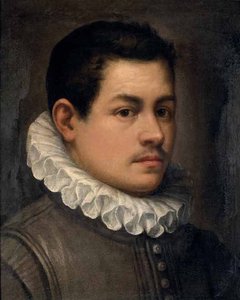
Annibale Carracci
1560 - 1609 , Italy
Quick Facts
- Artistic Movement Or Style: Baroque
- Artists Or Movements Influenced By This Artist:
- Caravaggio
- Bolognese School
- Artists Who Influenced This Artist:
- Raphael
- Andrea del Sarto
- Titian
- Correggio
- Date Of Birth: November 3, 1560
- Date Of Death: July 15, 1609
- Full Name: Annibale Carracci
- Nationality: Italian
- Notable Artworks:
- Triumph of Bacchus
- The Loves of the Gods
- Portrait of Gabrieli
- Place Of Birth: Bologna, Italy

