

 Preview
 Send
Send Share
Share
 Details

 Download
 Similars
 X-Ray
X-Ray Diaporama
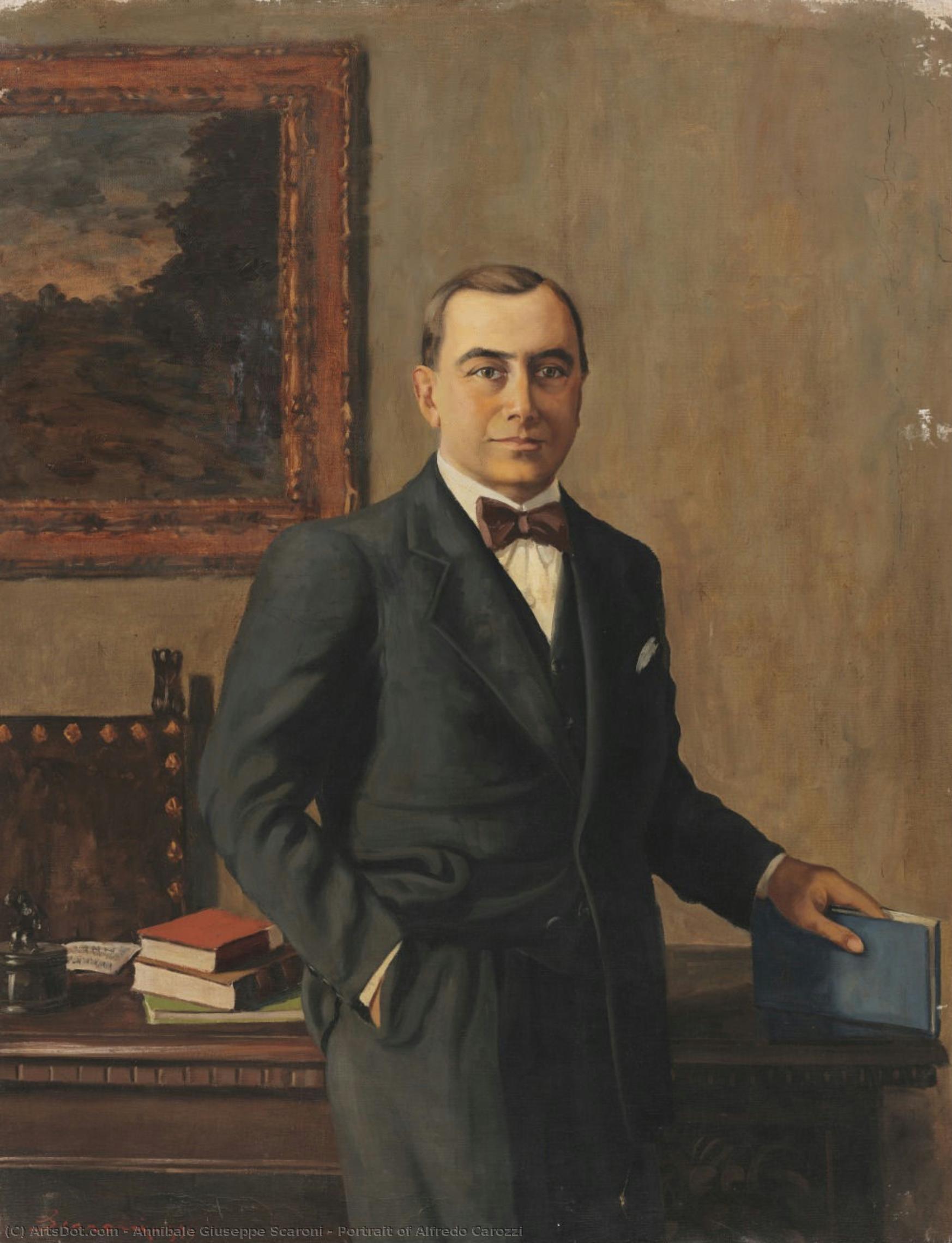
Portrait of Alfredo Carozzi


 Read More
Purchase a high-resolution, enhanced digital image, far superior to the online preview.
Each file is meticulously prepared by our in-house specialists using advanced tools and expert manual retouching. We ensure every image has exceptional clarity, precise color accuracy, and fine detail.
The final file is delivered via email within 72 hours, optimized for immediate use in professional, editorial, and print environments. This is the same quality trusted by top-tier design studios, publishers, and galleries.
Digital Image
Download a high-resolution file for personal display, printing, and creative projects. ( Buy Print Buy Hand Made Painting)
Included in Every Digital Image Order
Expert Digital Delivery, Guaranteed
When you choose ArtsDot.com, you're not just getting an image - you're receiving a professionally enhanced digital artwork, crafted with precision and backed by a satisfaction guarantee. Here's everything that comes with your order, automatically:

Fast Email Delivery
Your high-resolution digital image file will be emailed to you within 72 hours of ordering - ready for immediate use.

AI-Enhanced Digital File
Your artwork is professionally optimized using advanced AI tools and manual editing, ensuring maximum detail, clarity, and color accuracy.

Free Lifetime Re-Delivery
Accidentally deleted or lost your file? No worries - we'll resend it to you anytime, free of charge.

No Import Fees - Ever
Enjoy your artwork instantly with zero customs, duties, or delivery fees - digital downloads are always tax-free.

Color Accuracy Guarantee
We ensure your digital image reflects the original colors as closely as possible using professional tools and color management.

60-Day Satisfaction Guarantee
If you're not satisfied with your digital image, we'll revise it or refund 100% within 60 days - no questions asked.

100% Money-Back Guarantee
Not satisfied? Get a full refund within 60 days of receiving your digital file - no questions asked.

Bulk Order Discounts
Buy 3 images, save 10% - Buy 5, save 15% - Buy 10+, save 20%. Great for creative projects, galleries, and agencies.
Collectible Description
Related Artworks







Artist Biography
Grant Wood: A Portrait of Rural America
Grant Wood, born on February 13, 1891, in Anamosa, Iowa—a small town steeped in Midwestern tradition—was a pivotal figure in the American Regionalist movement. His life and art were inextricably linked to his roots, reflecting a deep-seated fascination with the landscape, people, and values of rural America during a period of rapid industrialization and social change. Wood’s early years on a family farm instilled within him a profound appreciation for the simplicity and dignity of agrarian life, an appreciation that would become the cornerstone of his artistic vision. After his father's untimely death in 1901, the family relocated to Cedar Rapids, where Wood received his high school education and subsequently enrolled at the Minneapolis School of Design in 1910. There, he studied under Ernest A. Batchelder, a staunch advocate for the Arts and Crafts movement and art nouveau design, absorbing principles of craftsmanship and decorative detail that would later inform his meticulous approach to painting. Further study at the University of Iowa and the Des Moines Art Center provided him with additional technical skills and exposure to European artistic traditions, particularly those of Paul Gauguin, whose emphasis on color and symbolic representation profoundly influenced Wood’s evolving style.Early Influences and Artistic Development
Wood's artistic journey wasn't immediately defined by the distinct Regionalist style he would later champion. Initially, his work leaned towards a more academic realism, drawing inspiration from the works of artists like George Bellows and John Steuart Curry, both prominent figures in American art at the time. However, Wood’s travels to Europe in the early 1920s proved transformative. He spent considerable time in France, immersing himself in the artistic milieu of Paris and absorbing the techniques of Impressionism and Post-Impressionism. Crucially, he encountered the work of Paul Gauguin, whose bold use of color, simplified forms, and focus on primitive subjects resonated deeply with Wood’s growing desire to capture the essence of American identity. This encounter marked a turning point, leading him away from purely representational painting and towards a more expressive and symbolic approach. Returning to Iowa in 1923, he began to develop his own unique style—a synthesis of European influences and regional sensibilities.The Rise of Regionalism
Wood’s artistic breakthrough came with the creation of *American Gothic* (1930), a painting that instantly became an iconic symbol of American culture. Initially conceived as a satirical commentary on rural life, the image—depicting a stern farmer and his daughter standing before their farmhouse—was widely misinterpreted as a portrait of traditional American values. Despite this misinterpretation, *American Gothic* propelled Wood to national recognition and solidified his position as a leading figure in the Regionalist movement. This style, which flourished during the Great Depression, sought to depict the lives and landscapes of rural America with honesty and dignity, rejecting the cosmopolitanism of urban centers and celebrating the virtues of hard work, community, and faith. Wood’s other notable works from this period—including *Shrine Quartet* (1939), *July Fifteenth* (1938), and *Tree Planting* (1937)—further explored these themes through carefully rendered scenes of rural life, capturing the quiet beauty and enduring spirit of the Midwestern landscape. These paintings are characterized by their meticulous detail, muted color palettes, and a subtle sense of melancholy—a reflection of the economic hardships faced by farmers during the Depression era.Technique and Symbolism
Wood’s artistic technique was marked by an extraordinary level of precision and attention to detail. He employed a painstaking method of layering thin glazes of oil paint, creating surfaces that shimmered with subtle color variations. His compositions were often carefully constructed, utilizing geometric forms and precise lines to convey a sense of order and stability. Furthermore, Wood’s paintings are rich in symbolism, drawing on the iconography of rural life—such as barns, churches, and farm implements—to evoke deeper meanings about American identity and values. The figures in his works rarely engage in overt action; instead, they stand as silent witnesses to the rhythms of rural existence. The use of light and shadow is particularly significant, creating a sense of atmosphere and mood that reflects the changing seasons and the passage of time. His work often evokes a feeling of nostalgia for a bygone era—a longing for a simpler, more authentic way of life.Legacy and Historical Significance
Grant Wood’s impact on American art is undeniable. As a leading figure in the Regionalist movement, he helped to redefine the boundaries of American painting, shifting the focus away from European artistic traditions and towards a celebration of regional identity. *American Gothic*, in particular, has become one of the most recognizable images in American art history—a potent symbol of rural America and a testament to Wood’s ability to capture the complexities of human experience through his art. His work continues to be exhibited and studied today, inspiring artists and viewers alike with its quiet beauty, understated elegance, and profound insights into the heartland of America. Beyond his artistic achievements, Wood's life itself became intertwined with the narrative of American identity—a testament to the enduring power of place and tradition in shaping an artist’s vision.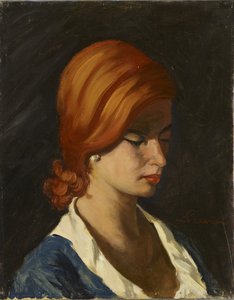
annibale giuseppe scaroni
1891 - 1983 , Italy
Quick Facts
- Artistic Movement Or Style: Regionalism
- Artists Who Influenced This Artist: ['Ernest A. Batchelder],\n "Artists or movements influenced by this artist": ["Paul Gauguin"]\n}']
- Date Of Birth: February 13, 1891
- Date Of Death: 1983
- Full Name: Grant Wood
- Nationality: American
- Notable Artworks:
- Shrine Quartet
- July Fifteenth
- Tree Planting
- Place Of Birth: Anamosa, Iowa, USA

