 Preview
 Send
Send Share
Share
 Details

 Download
 Similars
 X-Ray
X-Ray Diaporama
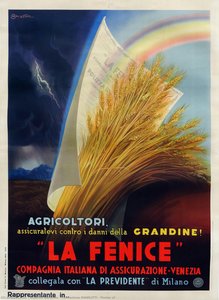
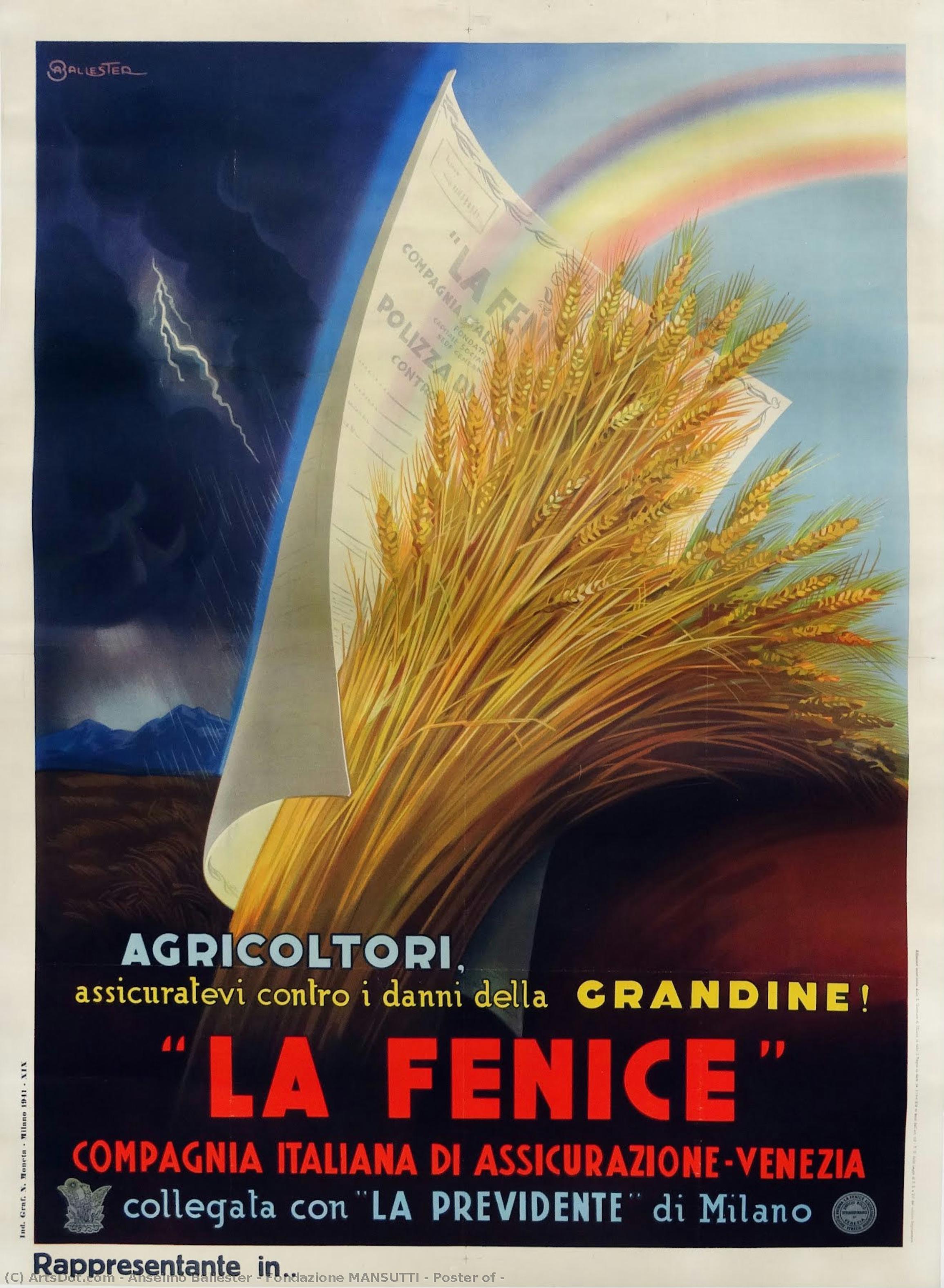
Fondazione MANSUTTI - Poster of
 1941
1941 139.0 x 100.0 cm
 Read More
Giclée / Art Print
Museum-quality giclée or canvas print with fast production and flexible finish options. ( Buy Hand Made Painting Buy Image)




































Pick from our preset sizes that match the artwork's original proportions.

You may enter your own dimensions to fit a specific frame or space. If your selected size does not match the original image's proportions, we will either crop the artwork or extend the image with a mirrored or solid-fill edge. A digital mockup will be sent for your approval before production begins.
Please note that the on-screen preview does not reflect the actual cropping or extension. Only the mockup will accurately show the final composition.
While custom sizes are available, we recommend selecting a dimension from the predefined list to preserve the original proportions.
Worldwide Delivery () in 2 weeks instead of standard 4/5 weeks. (1 September)

Free Worldwide Express Shipping

High-Quality Linen Canvas

Full Shipping Insurance

Customs Tax Refund Guarantee

True Color Matching Guarantee

60-Day Return Policy (Defects Only)

100% Money-Back Guarantee

Bulk Discount Offer
 Glass option is only available in size under 110 CM

Fondazione MANSUTTI - Poster of
Giclée / Art Print
Reproduction Size
-


Total Price
$ 63
Related Artworks









Artist Biography
The Maestro of Cinematic Cartellonismo
Anselmo Ballester (1897–1974) stands as an undisputed titan amongst Italian poster artists—a singular figure who irrevocably shaped the visual landscape of Italian cinema for nearly half a century. Revered as the pioneer and greatest exponent of cinematographic cartellonismo, he was not merely designing posters; he was crafting emotional narratives before audiences even stepped into theaters. His distinctive style, born from the confluence of Art Nouveau elegance and Futurist dynamism, captivated critics and filmmakers alike, establishing him as a benchmark for artistic expression within the realm of film promotion. To gaze upon a Ballester original is to witness a masterclass in tension, where vibrant color and dramatic light converge to capture the very soul of the silver screen.
Born in Rome in 1897, Ballester’s formative years instilled in him an unwavering passion for the visual arts. Art ran deep in his blood; his father, Federico Ballester, was himself a respected painter and poster designer who nurtured Anselmo’s innate talent from childhood. This familial legacy propelled him toward academic pursuits where he honed his drawing skills and developed a profound understanding of color theory—foundational elements that would later define his groundbreaking approach. Recognizing the transformative power of imagery, Ballester embarked on a career dedicated to capturing the essence of cinematic experiences through captivating visual compositions that transcended mere depiction.
A Revolution in Color and Composition
The burgeoning Italian film industry of the 1920s provided fertile ground for Ballester’s creativity. He swiftly ascended to prominence as one of the most sought-after poster designers, collaborating with influential studios and establishing BCM—a collective comprising Alfredo Capitani and Luigi Martinati—to propel innovation within the field. This collaborative spirit fostered a stylistic dialogue that resulted in posters imbued with unparalleled emotional depth. His work was characterized by an intense use of color and a dramatic handling of light that could turn a single sheet of paper into a window of high drama. Unlike the standard promotional materials of his era, Ballester’s paintings possessed a torrid, almost visceral quality that drew the viewer into the heart of the story.
His technical prowess allowed him to bridge the gap between fine art and commercial advertising. While his compositions often utilized the sweeping, decorative lines reminiscent of Art Nouveau, they were simultaneously infused with the kinetic energy and fragmented perspectives of Futurism. This duality made his work uniquely suited for the medium of film, where movement and emotion are paramount. His ability to manipulate shadows—creating swirling darks and brilliant yellows—gave his subjects a haunting, almost otherworldly intensity that has left an indelible mark on collectors and historians alike.
Legacy and Global Influence
Throughout a career that spanned from the early 1900s through the 1960s, Ballester’s influence extended far beyond the borders of Italy. He created breathtaking European film posters for major American studios including RKO, Fox, Paramount, and Columbia, making him a truly international figure in the world of graphic design. His ability to translate Hollywood glamour into a uniquely Italian aesthetic made him a favorite subject for legendary stars; his posters featuring Rita Hayworth are particularly celebrated for their breathtaking beauty and dramatic flair.
The historical significance of Anselmo Ballester cannot be overstated. He did not just document the history of cinema; he helped create its mythos. His work remains highly sought after by museums, such as the Museum of Modern Art (MoMA), and prestigious collectors worldwide. Even decades after his death in 1974, his legacy continues to be celebrated through exhibitions that honor him as a master of film poster design. To study Ballester is to study the evolution of visual storytelling itself—a journey through light, shadow, and the eternal magic of the movies.
Anselmo Ballester
1897 - 1974 , Italy
Quick Facts
- Artistic Movement Or Style: Cinematographic Cartellonismo; Art Nouveau & Futurist
- Artists Or Movements Influenced By This Artist: ['Futurism']
- Artists Who Influenced This Artist:
- Alfredo Capitani
- Luigi Martinati
- Date Of Birth: 1897-03-24
- Date Of Death: 1974-09-22
- Full Name: Anselmo Ballester
- Nationality: Italian
- Notable Artworks:
- Fondazione Mansutti - Poster of
- Cartellonismo
- Jacques Tourneur’s 1950 medieval Italy swashbuckling adventure thriller “The Flame and the Arrow”
- Place Of Birth: Rome, Italy