

 Preview
 Send
Send Share
Share
 Details

 Download
 Similars
 X-Ray
X-Ray Diaporama
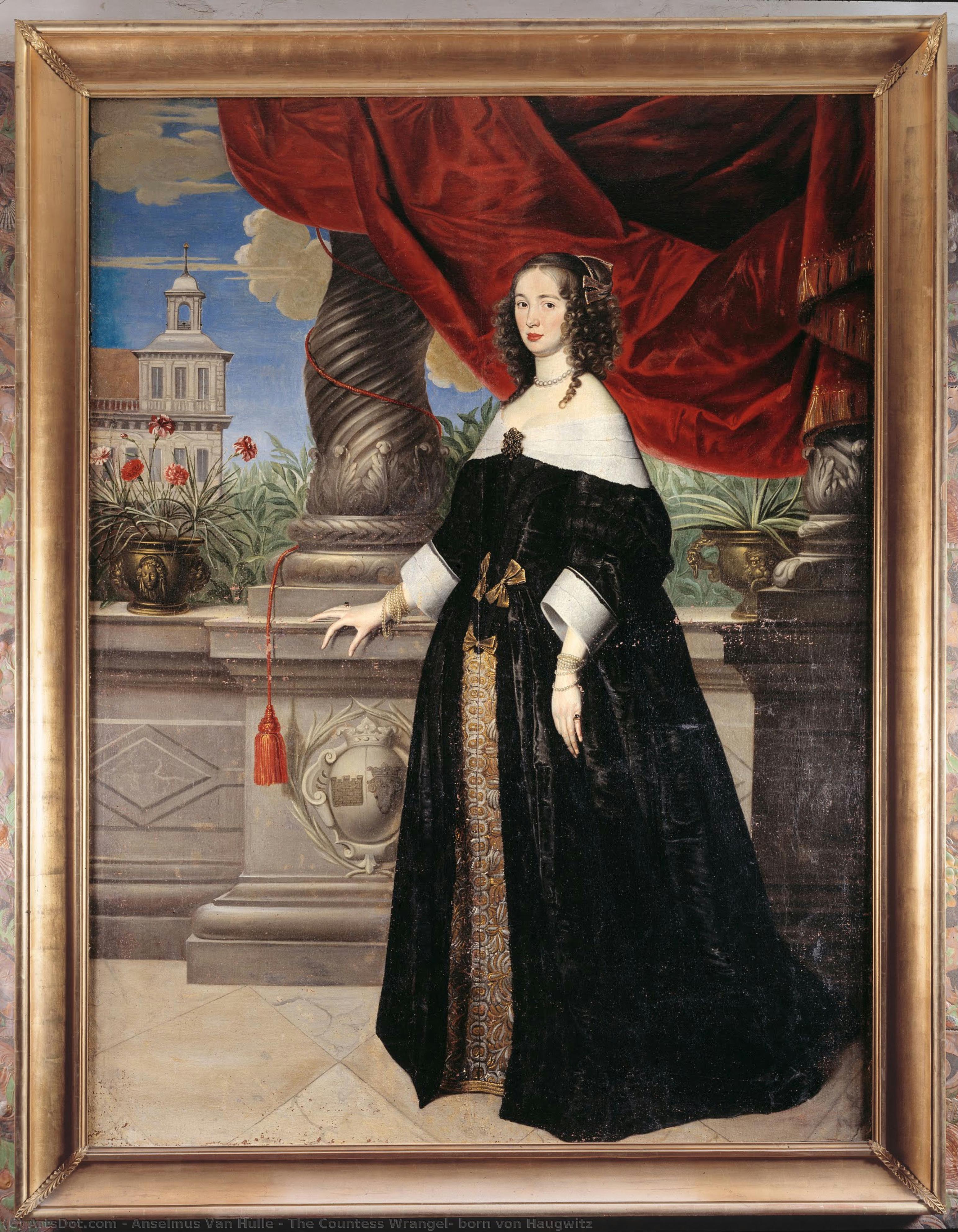
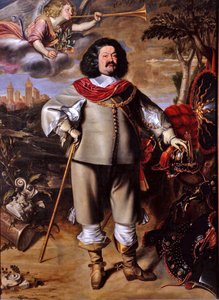
The Countess Wrangel, born von Haugwitz


 Read More
Purchase a high-resolution, enhanced digital image, far superior to the online preview.
Each file is meticulously prepared by our in-house specialists using advanced tools and expert manual retouching. We ensure every image has exceptional clarity, precise color accuracy, and fine detail.
The final file is delivered via email within 72 hours, optimized for immediate use in professional, editorial, and print environments. This is the same quality trusted by top-tier design studios, publishers, and galleries.
Digital Image
Download a high-resolution file for personal display, printing, and creative projects. ( Buy Print Buy Hand Made Painting)
Included in Every Digital Image Order
Expert Digital Delivery, Guaranteed
When you choose ArtsDot.com, you're not just getting an image - you're receiving a professionally enhanced digital artwork, crafted with precision and backed by a satisfaction guarantee. Here's everything that comes with your order, automatically:

Fast Email Delivery
Your high-resolution digital image file will be emailed to you within 72 hours of ordering - ready for immediate use.

AI-Enhanced Digital File
Your artwork is professionally optimized using advanced AI tools and manual editing, ensuring maximum detail, clarity, and color accuracy.

Free Lifetime Re-Delivery
Accidentally deleted or lost your file? No worries - we'll resend it to you anytime, free of charge.

No Import Fees - Ever
Enjoy your artwork instantly with zero customs, duties, or delivery fees - digital downloads are always tax-free.

Color Accuracy Guarantee
We ensure your digital image reflects the original colors as closely as possible using professional tools and color management.

60-Day Satisfaction Guarantee
If you're not satisfied with your digital image, we'll revise it or refund 100% within 60 days - no questions asked.

100% Money-Back Guarantee
Not satisfied? Get a full refund within 60 days of receiving your digital file - no questions asked.

Bulk Order Discounts
Buy 3 images, save 10% - Buy 5, save 15% - Buy 10+, save 20%. Great for creative projects, galleries, and agencies.
Collectible Description
A Vision of Baroque Elegance
In the quiet majesty of seventeenth-century portraiture, few works capture the intersection of aristocratic poise and painterly mastery as gracefully as Anselmus van Hulle’s The Countess Wrangel, born von Haugwitz. Created in 1649, this exquisite portrait serves as a window into an era defined by grandeur, where every fold of fabric and every subtle shadow whispered tales of status and refinement. The subject, a woman of undeniable distinction, is presented with a dignified presence that commands the viewer's attention. Dressed in the somber yet sophisticated black attire characteristic of high-ranking nobility, she wears a crisp white collar that provides a striking luminous contrast against the dark textures of her gown. The delicate ruffles of her undergarment peek through, adding a layer of intricate detail that speaks to the tactile luxury of the period.
The composition is masterfully orchestrated to evoke a sense of timelessness and architectural stability. Behind the Countess, the presence of stately columns and a distant building suggests an environment of permanence and power, grounding her individual identity within a larger historical and social framework. A rich, crimson curtain sweeps into the frame, its deep hue injecting a warmth and theatricality that is quintessential to the Baroque aesthetic. This interplay of light and shadow—the chiaroscuro effect—not only sculpts the Countess’s features with lifelike precision but also creates a dramatic stage upon which her persona is performed for posterity.
Technique and the Art of Presence
Van Hulle’s technical prowess is evident in his ability to manipulate light to create depth and texture. The artist employs a sophisticated approach to rendering different materials, from the heavy, light-absorbing quality of the black silk to the ethereal, translucent nature of the lace. His brushwork, while precise enough to capture the fine strands of her elegantly styled hair, retains a fluid vitality that prevents the portrait from feeling static. This balance between meticulous detail and painterly movement is what allows the piece to breathe, making the Countess feel less like a historical figure and more like a living, breathing presence within the room.
For the discerning collector or interior designer, this painting offers much more than mere decoration; it provides an emotional anchor for a space. The portrait carries an aura of quiet strength and sophisticated nostalgia, making it an ideal centerpiece for a library, a formal dining hall, or a curated gallery wall. When reimagined as a high-quality hand-painted reproduction, the artwork retains its ability to transform a contemporary setting into one of classical splendor. It invites conversation, prompting reflections on lineage, history, and the enduring allure of the human spirit captured in oil.
To possess such a work is to embrace the legacy of the Baroque masters. Whether placed in a modern minimalist interior to provide a bold, historical contrast or integrated into a traditional setting to enhance its existing grandeur, The Countess Wrangel remains a profound testament to the power of portraiture to transcend time and captivate the soul.
Related Artworks



Artist Biography
Guido Cagnacci: A Baroque Enigma
Born in the small, unassuming village of Santarcangelo in 1601, Guido Cagnacci’s life and artistic journey remain shrouded in a captivating blend of eccentricity and intrigue. He wasn't a figure celebrated by grand historical narratives; instead, his story is largely pieced together from legal records – accounts of elopements, scandalous liaisons, and accusations that paint a portrait of an artist profoundly out of sync with the conventions of his time. Cagnacci’s art, predominantly religious in subject matter, quickly gained notoriety for its strikingly unconventional approach, particularly its unabashed and often unsettling eroticism—a daring departure from the prevailing piety of the seventeenth century. His life, mirroring his work, was a testament to a spirit that defied easy categorization, making him one of the most fascinating, if somewhat elusive, figures of Italian Baroque painting.
Cagnacci’s early artistic training remains somewhat uncertain, though it's believed he began his studies in Romagna. He spent formative years in Bologna and Rome, absorbing the influences of masters like the Carracci and Guercino. However, rather than adhering rigidly to established styles, Cagnacci forged a distinctly individual path. His career unfolded across Italy – from the principal cities of Romagna like Rimini and Faenza, to Venice, and finally Vienna—a testament to his restless spirit and the demand for his unique vision. He wasn’t simply a painter; he was a chameleon, adapting his style and subject matter to suit each patron and location, yet always retaining a core of sensual intensity.
The Sensual Revolution
Cagnacci's artistic signature lies in his masterful manipulation of the human form. He elevated the female nude—a relatively rare occurrence in religious painting—to an almost operatic level of beauty and sensuality. His figures are not idealized; they possess a palpable physicality, a vulnerability and a quiet dignity that draws the viewer into their world. This wasn’t mere decoration; it was a deliberate challenge to the prevailing artistic norms. Critics of his time accused him of vulgarity, suggesting his paintings were overly suggestive and lacking in spiritual depth. Yet, beneath the surface of this perceived transgression lay a profound understanding of human emotion and a remarkable ability to capture the fleeting beauty of the flesh.
His use of color is equally distinctive. Cagnacci employed rich, vibrant hues—deep reds, blues, and greens—to create dramatic contrasts and heighten the emotional impact of his scenes. He utilized *chiaroscuro* – the interplay of light and shadow – with a particular sensitivity, sculpting forms and creating a sense of depth and atmosphere. This technique, influenced by Caravaggio but developed with Cagnacci’s own unique flair, further emphasized the physicality of his figures and contributed to the overall sensual quality of his work.
Influences and Development
While Cagnacci's style is undeniably original, it’s clear that he was deeply influenced by the artistic currents of his time. The works of Guido Reni, with their languid grace and emphasis on beauty, are particularly evident in Cagnacci’s later paintings. However, unlike Reni, who often presented a more restrained sensuality, Cagnacci embraced it fully, imbuing his figures with an almost palpable eroticism. The Venetian masters—Tintoretto and Veronese—also exerted a significant influence on his use of color and composition. The dramatic lighting and dynamic movement found in their paintings can be seen echoed in Cagnacci’s own work.
As Cagnacci matured, his style evolved. Early works are characterized by a more restrained palette and a focus on narrative detail. However, from the late 1630s onwards, his paintings became increasingly bold and sensual, reflecting a growing confidence in his artistic vision. The “Repentant Magdalene,” painted around 1660-63, exemplifies this shift—a powerful image of vulnerability and spiritual longing rendered with breathtaking beauty and emotional intensity.
Legacy and Rediscovery
Despite his undeniable talent and innovative approach, Cagnacci’s work was largely forgotten for centuries. His scandalous personal life likely contributed to the neglect of his artistic achievements, as his reputation preceded him. It wasn't until the mid-20th century that art historians began to recognize the significance of his oeuvre, initiating a slow but steady process of rediscovery. Cesare Gnudi’s insightful analysis in 1952 brought Cagnacci back into critical discourse, paving the way for renewed appreciation of his unique artistic vision.
Today, Guido Cagnacci is recognized as one of the most important and enigmatic figures of Italian Baroque painting. His work stands apart from the more conventional styles of his time, offering a glimpse into a world where beauty, sensuality, and spirituality coexisted in a complex and often unsettling manner. His legacy lies not only in his stunningly beautiful paintings but also in his defiant spirit—a testament to an artist who dared to challenge the norms and forge his own unique path.
anselmus van hulle
1601 - 1674 , Belgium
Quick Facts
- Artistic Movement Or Style: Bolognese School
- Artists Or Movements Influenced By This Artist:
- Baroque
- Venetian School
- Artists Who Influenced This Artist:
- Guido Reni
- Carracci
- Date Of Birth: 1601
- Date Of Death: 1663
- Full Name: Guido Cagnacci
- Nationality: Italian
- Notable Artworks:
- Repentant Magdalene
- Various religious paintings
- Place Of Birth: Santarcangelo, Romagna

