 Preview
 Send
Send Share
Share
 Details

 Download
 Similars
 X-Ray
X-Ray Diaporama
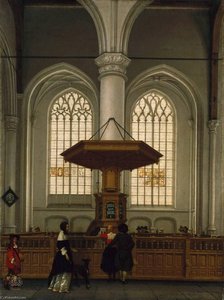
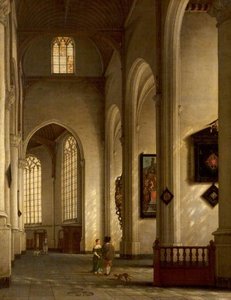
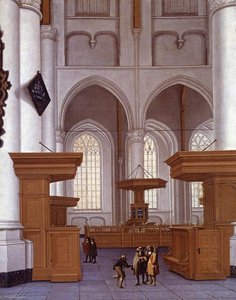
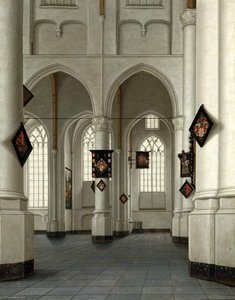
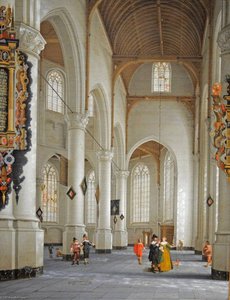
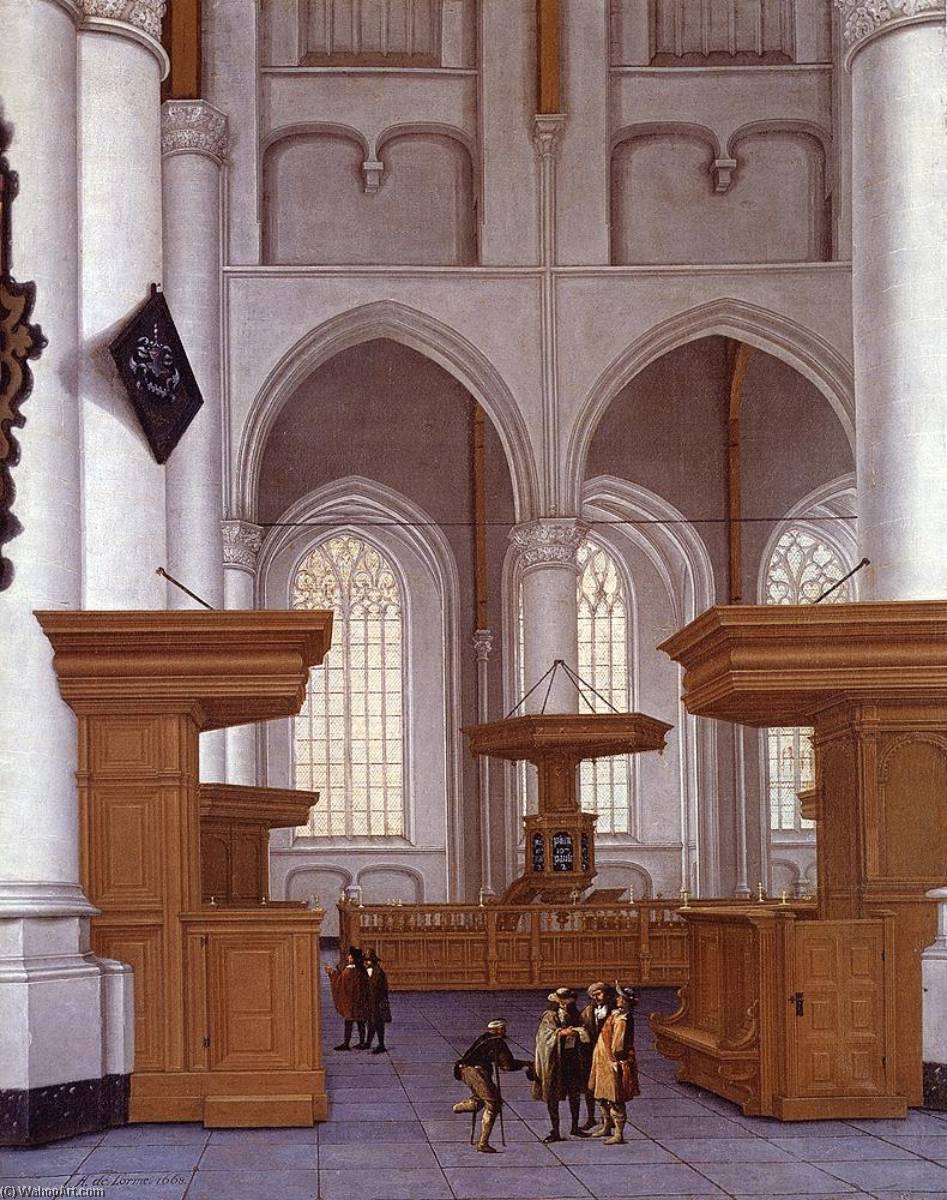
Interior Of The Laurenskerk, Rotterdam, View To The South

 Read More
Giclée / Art Print
Museum-quality giclée or canvas print with fast production and flexible finish options. ( Buy Hand Made Painting Buy Image)




































Pick from our preset sizes that match the artwork's original proportions.

You may enter your own dimensions to fit a specific frame or space. If your selected size does not match the original image's proportions, we will either crop the artwork or extend the image with a mirrored or solid-fill edge. A digital mockup will be sent for your approval before production begins.
Please note that the on-screen preview does not reflect the actual cropping or extension. Only the mockup will accurately show the final composition.
While custom sizes are available, we recommend selecting a dimension from the predefined list to preserve the original proportions.
Worldwide Delivery () in 2 weeks instead of standard 4/5 weeks. (29 August)

Free Worldwide Express Shipping

High-Quality Linen Canvas

Full Shipping Insurance

Customs Tax Refund Guarantee

True Color Matching Guarantee

60-Day Return Policy (Defects Only)

100% Money-Back Guarantee

Bulk Discount Offer
 Glass option is only available in size under 110 CM

Interior Of The Laurenskerk, Rotterdam, View To The South
Giclée / Art Print
Reproduction Size
-


Total Price
$ 63
Related Artworks









Artist Biography
The Architect of Sacred Light: The Life and Legacy of Anthonie de Lorme
In the golden age of the Dutch Republic, where light and shadow danced across the canvases of masters, few artists captured the profound stillness of the divine quite like Anthonie de Lorme. Born in the Spanish Netherlands, specifically in the historic city of Tournai around 1610, De Lorme’s journey was one of movement and mastery, eventually leading him to settle in Rotterdam. While his early years remain shrouded in the soft mists of history, his artistic identity was forged through a deep fascination with the structural majesty of sacred spaces. He did not merely paint buildings; he breathed life into stone, creating windows of perception that allowed viewers to step into the hallowed halls of both existing and imagined cathedlamls.
The development of De Lorme’s unique vision was likely shaped by the rigorous study of perspective, a cornerstone of seventeenth-century Dutch art. While historians debate his true lineage of instruction—weighing the influence of the obscure Jan van der Vucht against the renowned Bartholomeus van Bassen—the result was an unmistakable command over spatial depth. His work often functioned as a collaborative symphony; De Lorme would construct the grand, silent architecture of a church, while talented contemporaries such as Anthonie Palamedesz and Ludolf de Jongh were invited to populate these vast interiors with staffage—the small, lively figures that provided scale, narrative, and human connection to the monumental surroundings.
A Mastery of Perspective and Interiority
To gaze upon a De Lorme painting is to experience a masterclass in architectural illusion. He possessed an uncanny ability to manipulate the viewer's eye, using receding colonnades, vaulted ceilings, and polished marble floors to pull the soul toward a distant, luminous horizon. His most celebrated subject matter—the interiors of churches like the St. Laurenskerk in Rotterdam or the St. Bavo in Haarlem—served as more than mere topographical records. These were spiritual landscapes where the interplay of light and shadow, often reminiscent of the dramatic tenebrismo style, evoked a sense of religious awe and contemplative silence.
The technical brilliance of his work lies in several key elements:
- Architectural Precision: A meticulous rendering of classical and Gothic elements that lends an air of authenticity to even his most imaginary ecclesiastical structures.
- Atmospheric Depth: The use of light to define volume, creating a sense of air and atmosphere within the vast, hollowed spaces of his compositions.
- Narrative Scale: The seamless integration of human figures which, though often small in comparison to the architecture, ground the grandeur of the setting in a relatable, earthly reality.
Historical Significance and Enduring Impression
Though De Lorme passed away in Rotterdam in 1673, his contribution to the Dutch Baroque canon remains indelible. He occupied a specialized niche that bridged the gap between architectural drafting and fine art painting. By focusing on the interiority of sacred spaces, he captured the psychological essence of the era—a period defined by both intense religious devotion and an burgeoning interest in the scientific observation of the physical world. His ability to render the "architecture of the soul" through the architecture of stone ensured that his work would continue to resonate long after the era of the Dutch Golden Age had faded.
Today, De Lorme is remembered not just as a painter of churches, but as a creator of atmospheres. His legacy lives on in every brushstroke that seeks to find the infinite within the finite, and in every viewer who finds themselves lost in the breathtaking, silent corridors of his painted worlds.
anthonie de delorme
1610 - 1673
Quick Facts
- Artistic Movement Or Style: Dutch Interior Art
- Artists Or Movements Influenced By This Artist: ['Baroque']
- Artists Who Influenced This Artist: ['Jacob Savery']
- Date Of Birth: ca. 1610
- Date Of Death: 1673
- Full Name: Anthonie de Delorme
- Nationality: Dutch
- Notable Artworks:
- Interior of the St Laurenskerk in Rotterdam
- The Interior of the Church of St. Laurens in Rotterdam
- Place Of Birth: Tournai