 Preview
 Send
Send Share
Share
 Details

 Download
 Similars
 X-Ray
X-Ray Diaporama
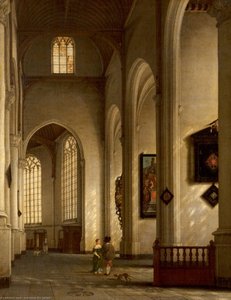
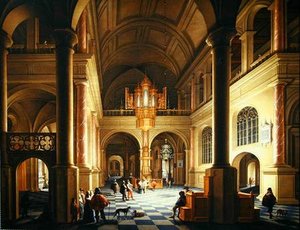
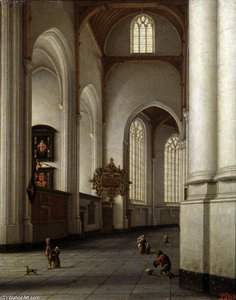
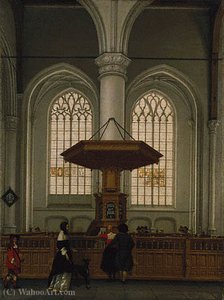
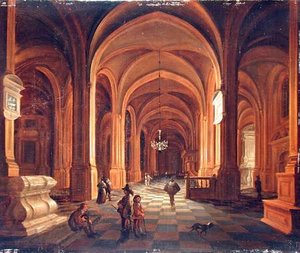
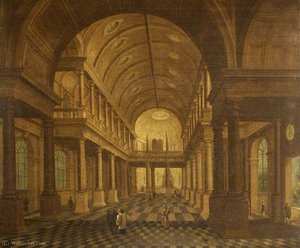
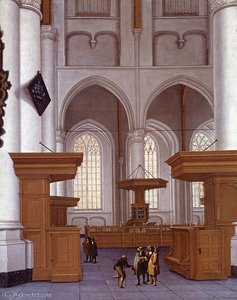
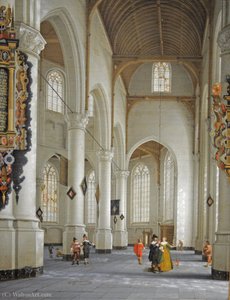
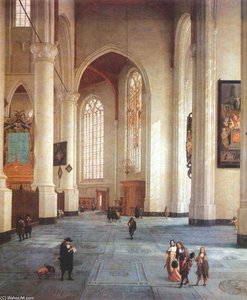
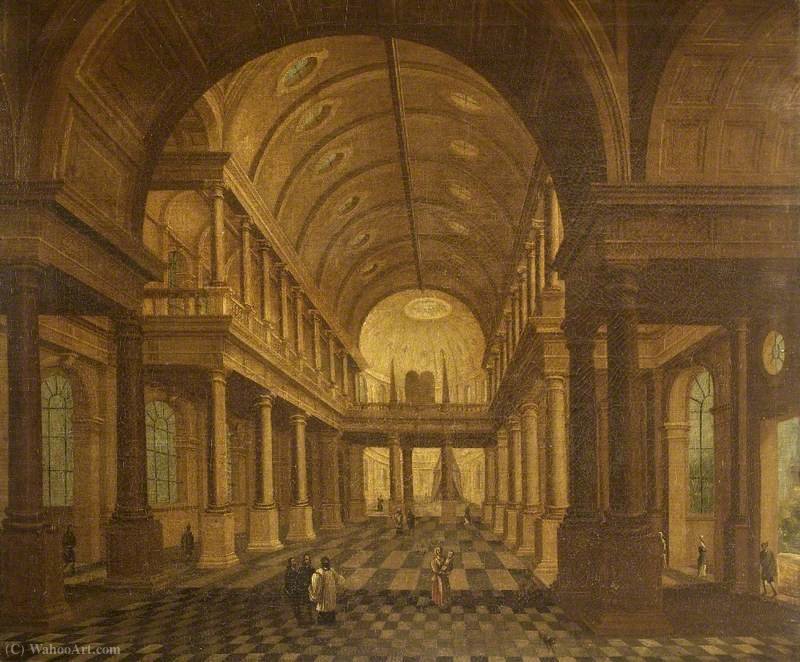
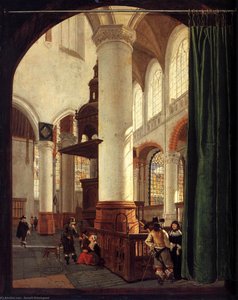
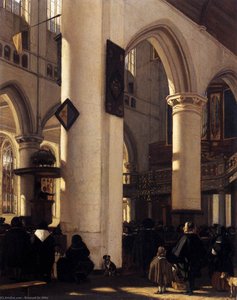
A Church Interior, Looking East, with Figures

 Read More
Hand Made Oil Reproduction
Hand-painted oil on canvas in your size and frame, made to order by our artists. ( Buy Print Buy Image)




































Pick from our preset sizes that match the artwork's original proportions.

You may enter your own dimensions to fit a specific frame or space. If your selected size does not match the original image's proportions, we will either crop the artwork or extend the painting with additional hand-painted elements. A digital mockup will be sent for your approval before production begins.
Please note that the on-screen preview does not reflect the actual cropping or extension. Only the mockup will accurately show the final composition.
While custom sizes are available, we recommend selecting a dimension from the predefined list to preserve the original proportions.
After order, ArtsDot.com team will email client for instructions and provide a mockup preview
Worldwide Delivery () in 3/4 weeks instead of standard 5 weeks. (21 August). No compromise on quality.

Free Worldwide Express Shipping

High-Quality Linen Canvas

Full Shipping Insurance

Customs Tax Refund Guarantee

True Color Matching Guarantee

60-Day Return Policy (Defects Only)

100% Money-Back Guarantee

Bulk Discount Offer
 Glass option is only available in size under 110 CM

A Church Interior, Looking East, with Figures
Reproduction Medium
Reproduction Size
-


Total Price
$ 313
Related Artworks
Artist Biography
The Architect of Light: The Life and Legacy of Anthonie de Lorme
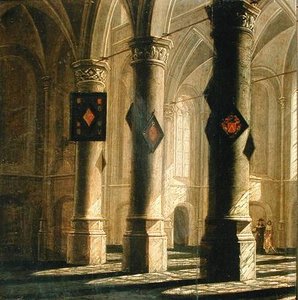
In the golden age of the Dutch Baroque, few artists possessed the ability to transform cold stone and silent architecture into breathing, spiritual landscapes as effectively as Anthonie de Lorme. Born in the historic city of Tournai, in what was then the Spanish Netherlands, around 1610, de Lorme’s journey eventually led him to the heart of the Dutch Republic. His life was inextricably linked to the vibrant, industrious atmosphere of Rotterdam, where he established himself as a master of a very specific and demanding niche: the interior view of the church. While many of his contemporaries sought fame through sweeping historical epics or intimate portraits, de Lerne found his calling in the quiet grandeur of sacred spaces, capturing the intersection of divine light and human architecture.
The development of de Lorme’s style was a meticulous process of observation and technical mastery. Though historical records regarding his formal training remain somewhat enigmatic—with debates lingering over whether he studied under the perspective specialist Jan van der Vucht or the renowned Bartholomeus van Bassen—his canvases reveal a profound command of spatial depth. His work is characterized by an extraordinary attention to architectural detail, where every column, vaulted ceiling, and altar seemed to possess a tangible weight. This precision was often enhanced through unique professional collaborations; de Lorme frequently worked alongside talented staffage painters, such as Ludolf de Jongh and Anthonie Palamedesz. These artists would breathe life into his silent halls by adding the human element—figures engaged in prayer, conversation, or quiet contemplation—creating a seamless harmony between the monumental scale of the buildings and the intimate scale of human existence.
Mastery of Chiaroscuro and the Baroque Aesthetic
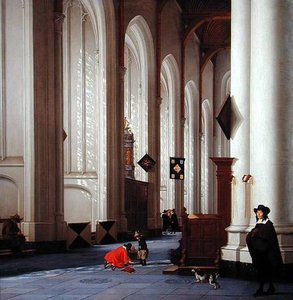
To step into a painting by Anthonie de Lorme is to experience the dramatic tension of the Baroque era. He was a virtuoso of chiaroscuro, utilizing the stark, theatrical contrast between deep shadows and brilliant highlights to guide the viewer's eye through the vastness of his church interiors. This technique did more than just create depth; it imbued the very air within his painted cathedrals with a sense of holiness. Light in de Lorme’s work is never merely a physical phenomenon; it is a symbolic force, streaming through high clerestory windows to illuminate the dust motes and the polished surfaces of marble, suggesting the presence of the divine within the earthly realm.
His influence, likely shaped by the monumental legacies of Rembrandt and Rubens, allowed him to achieve a luminous quality in his oil paintings. He possessed a rare ability to render different textures—the cold smoothness of stone, the soft weave of fabric, and the reflective sheen of metal—with such nuance that the surfaces seemed to react to the shifting light. This dedication to realism served a higher purpose: by presenting these religious spaces with unparalleled accuracy, he allowed his audience to feel as though they were standing within the hallowed halls of the Saint Lawrence Church in Rotterdam themselves. Indeed, his depictions were so precise that they later served as vital references for restorers seeking to understand the original splendor of these historic structures.
Historical Significance and Artistic Contribution
The historical importance of Anthonie de Lorme extends far beyond the aesthetic beauty of his canvases. He stands as a crucial figure in the documentation of 17th-century Dutch religious life and architecture. Through his eyes, we witness the solemnity and the structural magnificence of an era defined by both intense religious fervor and burgeoning civic pride. His work provides a visual record of churches that have since undergone centuries of change, preserving the architectural soul of Rotterdam and Tournai for posterity.
Ultimately, de Lorme’s contribution to art lies in his ability to marry the mathematical rigor of perspective with the emotional depth of the Baroque spirit. He did not merely paint buildings; he painted the atmosphere of devotion. His legacy is found in every carefully rendered shadow and every beam of light that pierces through his compositions, reminding us that even within the most massive structures, there is a space for the intimate, the human, and the divine. His life's work remains a testament to the power of detail, proving that by looking closely at the world around us, we can uncover its deepest spiritual resonances.
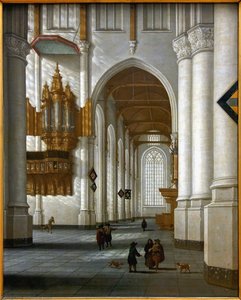
anthonie de lorme
1610 - 1673 , Belgium
Quick Facts
- Artistic Movement Or Style: Baroque
- Date Of Birth: Tournai, Belgium (1610)
- Date Of Death: 1673
- Full Name: Anthony de Lorme
- Nationality: Dutch
- Notable Artworks: ['The Interior of the Church of St. Laurens in Rotterdam']
- Place Of Birth: Tournai
Related Articles

Golden Age Reflections: Dutch Baroque Painting & Cultural Innovation
Explore the Dutch Golden Age of painting! Discover key artists like Vermeer & ter Borch, their innovative techniques, and the rich cultural context behind these Baroque masterpieces. Learn about collecting & appreciating this iconic art period.

Dutch Masters: 10 Golden Age Paintings That Still Inspire |
Journey into the Dutch Golden Age! Explore 10 iconic paintings by Rembrandt, Vermeer & Hals. Discover the stories behind these Baroque masterpieces and find museum-quality art reproductions to elevate your home decor on .

Dutch Baroque Masters: 10 Paintings That Shaped an Era | ArtsDot
Journey through the Golden Age with our guide to the Top 10 Dutch Baroque masterpieces! Explore iconic paintings by Rembrandt, Vermeer & Frans Hals. Find museum-quality art reproductions and elevate your home decor at ArtsDot.com.

Illuminating Innovation: Exploring the Dutch Golden Age of Painting
Explore the Dutch Golden Age of painting with ArtsDot. Discover Rembrandt, Vermeer & other Masters. Learn about key characteristics, iconic artworks, and lasting influence. Expert insights for collectors & enthusiasts.
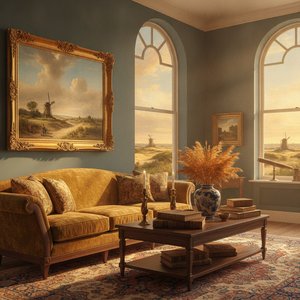
Golden Light & Dutch Skies: Bringing the Magic of Dutch Golden Age Landscapes into Your Home
Transform your home with the breathtaking light of Dutch Golden Age landscapes. Discover how hand-painted oil reproductions of masterworks like Ruisdael and Vermeer bring timeless elegance, atmosphere, and soulful texture to modern interiors. Elevate your space with museum-quality art.