 Preview
 Send
Send Share
Share
 Details

 Download
 Similars
 X-Ray
X-Ray Diaporama
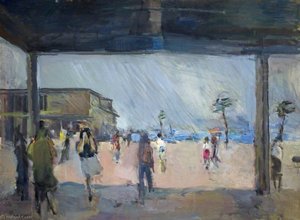
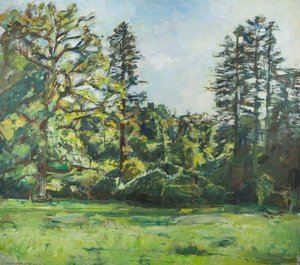
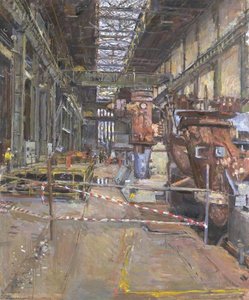
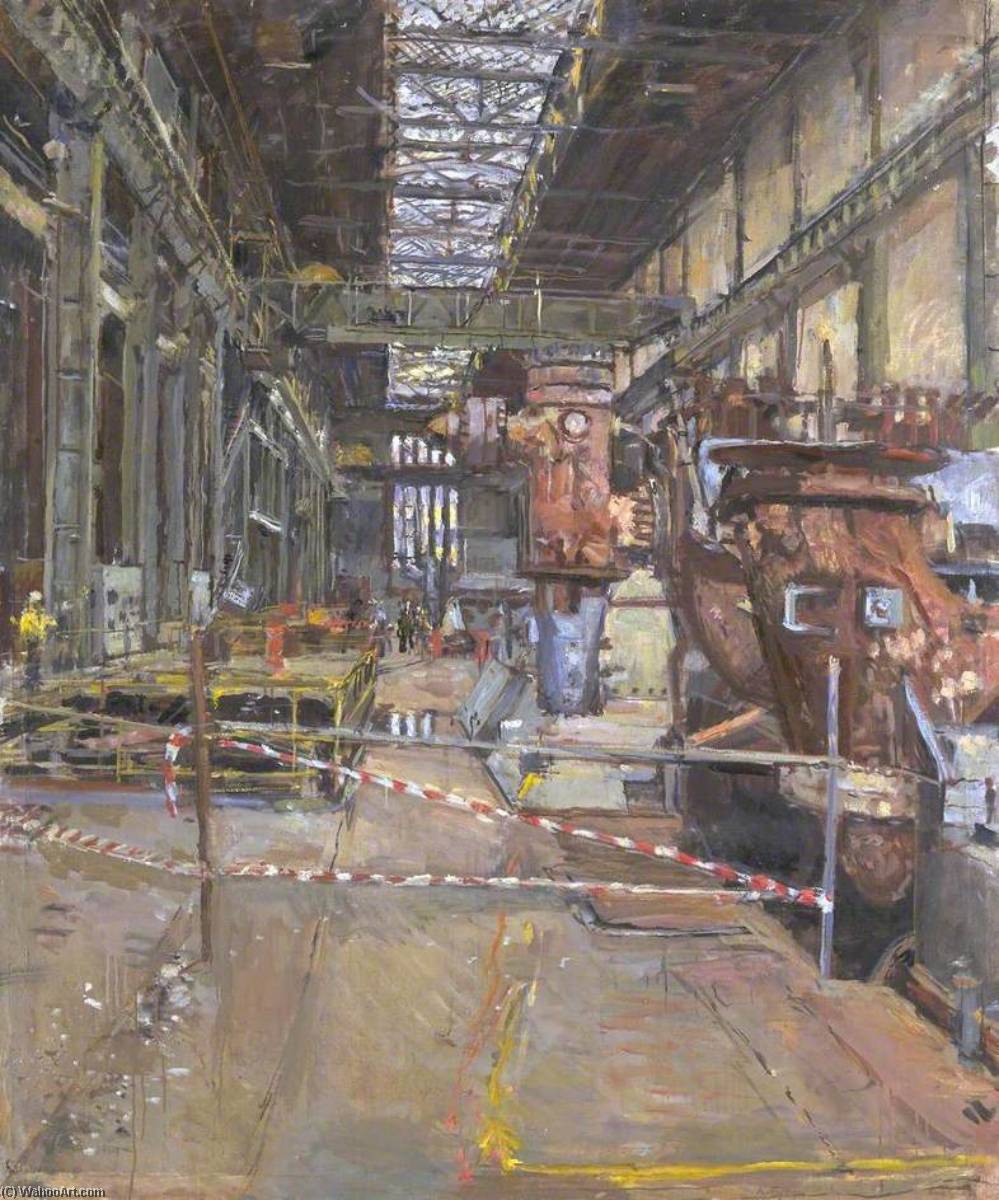
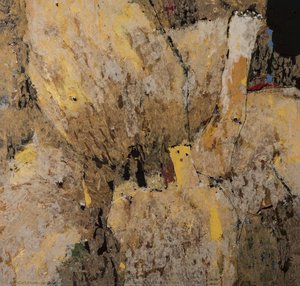
Bankside The Turbine Hall
 1995
1995 151.0 x 127.0 cm
 Read More
Hand Made Oil Reproduction
Hand-painted oil on canvas in your size and frame, made to order by our artists. ( Buy Print Buy Image)




































Pick from our preset sizes that match the artwork's original proportions.

You may enter your own dimensions to fit a specific frame or space. If your selected size does not match the original image's proportions, we will either crop the artwork or extend the painting with additional hand-painted elements. A digital mockup will be sent for your approval before production begins.
Please note that the on-screen preview does not reflect the actual cropping or extension. Only the mockup will accurately show the final composition.
While custom sizes are available, we recommend selecting a dimension from the predefined list to preserve the original proportions.
After order, ArtsDot.com team will email client for instructions and provide a mockup preview
Worldwide Delivery () in 3/4 weeks instead of standard 5 weeks. (23 August). No compromise on quality.

Free Worldwide Express Shipping

High-Quality Linen Canvas

Full Shipping Insurance

Customs Tax Refund Guarantee

True Color Matching Guarantee

60-Day Return Policy (Defects Only)

100% Money-Back Guarantee

Bulk Discount Offer
 Glass option is only available in size under 110 CM

Bankside The Turbine Hall
Reproduction Medium
Reproduction Size
-


Total Price
$ 263
Related Artworks







Artist Biography
Anthony Eyton: A Landscape Painter Rooted in Place and Memory
Anthony John Plowden Eyton (born 17 May 1923) is a British artist renowned for his distinctive approach to landscape painting—a style characterized by vibrant color palettes, expressive brushwork, and an unwavering focus on capturing the essence of specific locations. Now celebrating his centenary year, Eyton’s artistic journey has spanned decades of experimentation and critical acclaim, establishing him as a significant figure within the Royal Academy of Arts and cementing his legacy as one of Britain's foremost figurative painters.Early Life and Education
Born in Shrewsbury, Shropshire, Eyton’s formative years were marked by exposure to the natural beauty of the Welsh Marches—a region that would profoundly influence his artistic vision. He pursued formal education at Reading University (1941), where he studied English Literature alongside fellow artist James Anthony Betts, fostering a deep appreciation for both language and visual representation. Subsequently, Eyton honed his skills at Camberwell School of Arts, immersing himself in the burgeoning modernist movement and absorbing inspiration from artists like Picasso and Matisse. This early training instilled in him a disciplined technique combined with an instinctive understanding of color and composition—elements that would become hallmarks of his mature oeuvre.The Influence of Surrealism and Early Landscapes
Eyton’s artistic sensibilities were significantly shaped by the Surrealist movement, particularly its exploration of dreamlike imagery and subconscious associations. This influence is evident in his initial landscapes—characterized by distorted perspectives and fantastical elements—which served as a springboard for developing his signature style. During this period, he experimented with bold color combinations and gestural brushstrokes, rejecting academic conventions in favor of conveying emotion and capturing the immediacy of experience. Notably, Eyton’s participation in the Dubrovnik Festival in 1957 showcased his burgeoning talent and solidified his commitment to portraying scenes from everyday life with remarkable sensitivity.Developing His Distinctive Style: Color and Texture
Eyton's artistic breakthrough arrived in the mid-1960s when he began to refine his technique—primarily focusing on achieving luminous color and textural richness. He embraced a palette inspired by Impressionism and Post-Impressionism, utilizing pigments with meticulous care to create surfaces that pulsed with vibrancy and depth. His brushstrokes were loose and energetic, conveying movement and capturing the subtle nuances of light and atmosphere. This stylistic evolution culminated in his winning the John Moores Prize in 1967—a prestigious accolade recognizing his artistic merit and establishing him as a leading voice within British art.Notable Achievements and Recognition
Throughout his prolific career, Eyton has consistently produced compelling artworks that explore themes of place and memory. His landscapes—often depicting familiar scenes from Shropshire and beyond—are imbued with an emotional resonance that transcends mere visual representation. Recurring motifs include trees, fields, and water features—elements that evoke a sense of tranquility and contemplation. Furthermore, Eyton’s work has been exhibited extensively in major institutions worldwide, including Tate Modern, where he holds a prominent position as Artist Emeritus. His enduring influence on contemporary landscape painting is undeniable, securing his place among Britain's most respected artists.Legacy and Continuing Artistic Practice
Anthony Eyton continues to actively engage in artistic creation today, demonstrating an unwavering dedication to his craft and upholding the traditions of figurative painting. He remains committed to capturing the beauty of the natural world—particularly the landscapes of Shropshire—with a masterful blend of color and texture. His ongoing work serves as a testament to the transformative power of art and reinforces Eyton’s enduring contribution to British artistic heritage.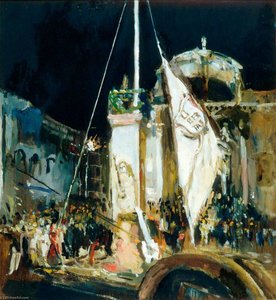
anthony john plowden eyton
1923 -
Quick Facts
- Artistic Movement Or Style: Post-Impressionism
- Artists Or Movements Influenced By This Artist: ['Royal Academy']
- Artists Who Influenced This Artist:
- James Anthony Betts
- Camberwell School of Arts
- Date Of Birth: 17 May 1923
- Full Name: Anthony John Plowden Eyton
- Nationality: British
- Notable Artworks:
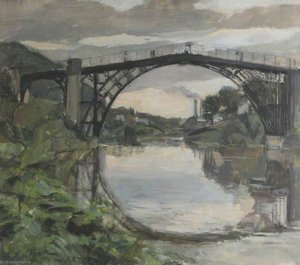
- The First Iron Bridge, Shropshire
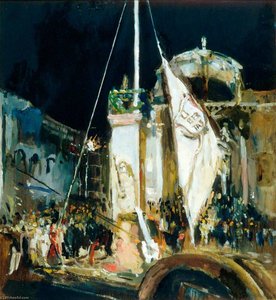
- Raising the Flag of Liberty, Dubrovnik Festival
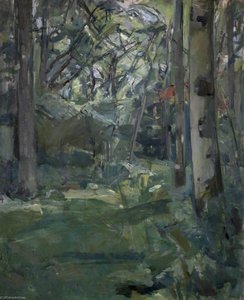
- Wooded Landscape
- Place Of Birth: Reading, England