 Preview
 Send
Send Share
Share
 Details

 Download
 Similars
 X-Ray
X-Ray Diaporama
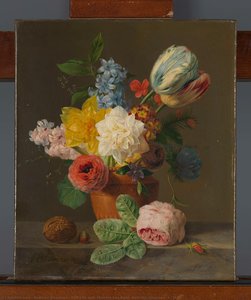
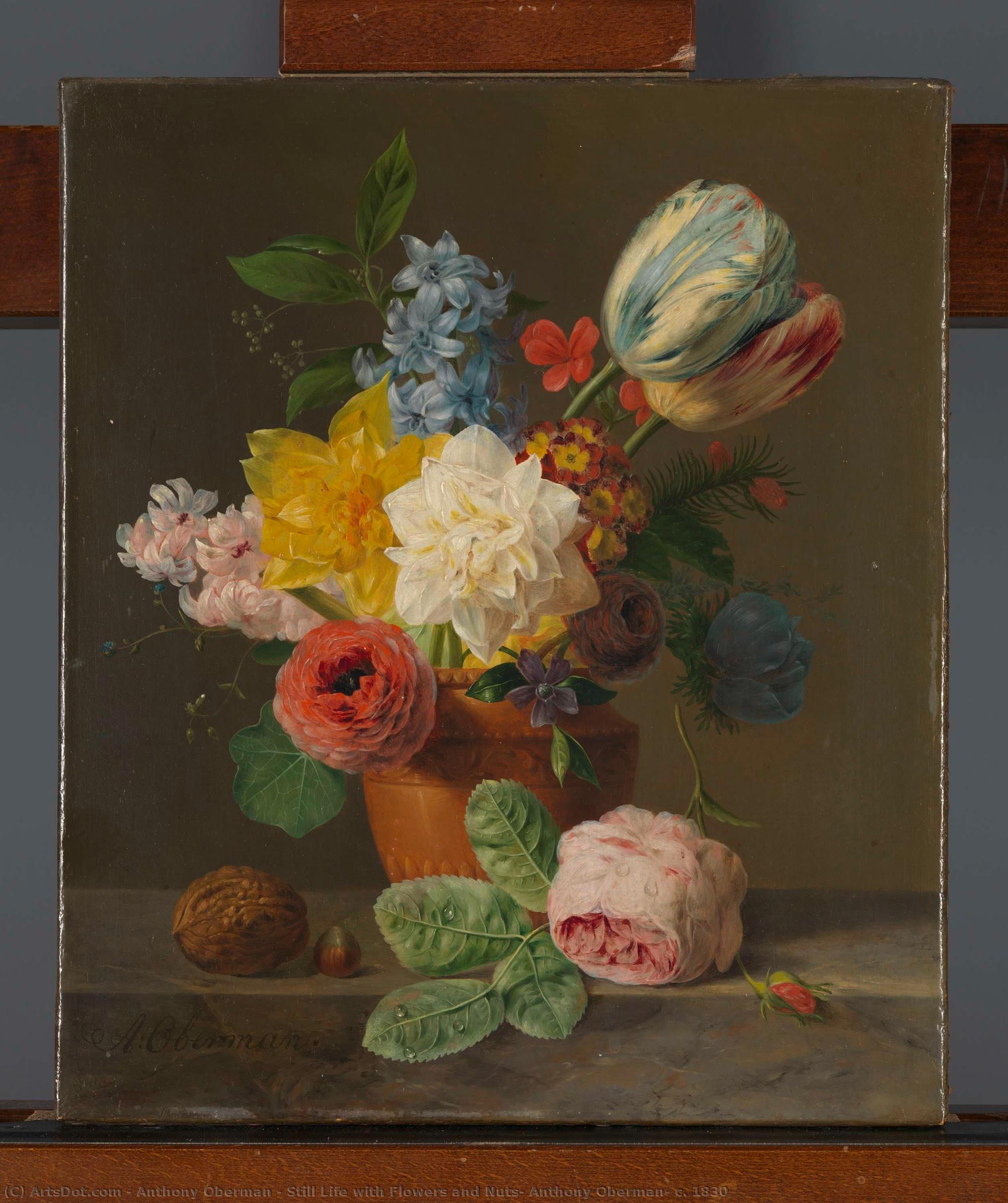
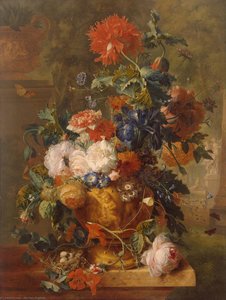
Still Life with Flowers and Nuts, Anthony Oberman, c. 1830
 1830
1830 50.0 x 44.0 cm
 Read More
Hand Made Oil Reproduction
Hand-painted oil on canvas in your size and frame, made to order by our artists. ( Buy Print Buy Image)




































Pick from our preset sizes that match the artwork's original proportions.

You may enter your own dimensions to fit a specific frame or space. If your selected size does not match the original image's proportions, we will either crop the artwork or extend the painting with additional hand-painted elements. A digital mockup will be sent for your approval before production begins.
Please note that the on-screen preview does not reflect the actual cropping or extension. Only the mockup will accurately show the final composition.
While custom sizes are available, we recommend selecting a dimension from the predefined list to preserve the original proportions.
After order, ArtsDot.com team will email client for instructions and provide a mockup preview
Worldwide Delivery () in 3/4 weeks instead of standard 5 weeks. (17 August). No compromise on quality.

Free Worldwide Express Shipping

High-Quality Linen Canvas

Full Shipping Insurance

Customs Tax Refund Guarantee

True Color Matching Guarantee

60-Day Return Policy (Defects Only)

100% Money-Back Guarantee

Bulk Discount Offer
 Glass option is only available in size under 110 CM

Still Life with Flowers and Nuts, Anthony Oberman, c. 1830
Reproduction Medium
Reproduction Size
-


Total Price
$ 263
Artwork Description
Related Artworks
Artist Biography
Anthony Oberman: A Dutch Portraitist Bridging Classical Tradition and Romantic Impression
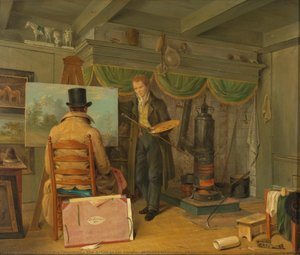
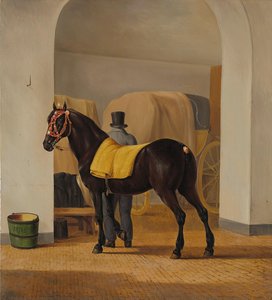
Anthony Oberman (1781 – 1845) stands as a significant figure in 19th-century Dutch art, primarily recognized for his meticulously crafted portraits and genre scenes that captured the spirit of his era. Born in Amsterdam during a period marked by burgeoning artistic experimentation and societal transformation, Oberman’s formative years were steeped in the traditions of Haarlem Baroque painting—a legacy he skillfully assimilated into his own distinctive style. His education at the Stadstekenacademie provided him with foundational skills, propelling him towards a career dedicated to depicting individuals and everyday life with remarkable accuracy and sensitivity. Oberman's artistic journey commenced amidst the intellectual fervor surrounding Romanticism, yet he steadfastly adhered to classical principles of composition and disegno—the Italian term for drawing—demonstrating an admirable ability to synthesize disparate influences. This approach is vividly exemplified in his celebrated work, “The Artist at His Studio” (1820), housed within the Rijksmuseum’s collection. The painting portrays a solitary artist amidst his workspace, bathed in natural light and surrounded by sketches and pigments—a scene imbued with symbolic resonance that speaks to the pursuit of artistic excellence and the contemplation of creative process. It's considered one of Oberman’s masterpieces, showcasing his mastery of tonal gradation and anatomical precision. Beyond “The Artist at His Studio,” Oberman produced a substantial body of genre paintings depicting scenes from Dutch domestic life—often featuring children playing in meadows or portraying intimate family gatherings. These works reveal an astute observation of human behavior and emotion, underpinned by a meticulous attention to detail. Notably, his depictions of Adriaan van der Hoop’s Trotter ‘De Vlugge’ (The Fast One) and ‘De Rot’ at the Coach House offer compelling insights into Dutch equestrian culture during the Romantic period. Oberman's technique—characterized by subtle brushstrokes and masterful use of color—mirrors the stylistic innovations championed by artists like Jean-Auguste Dominique Ingres, reflecting a broader engagement with European artistic currents. His influence extended beyond his immediate contemporaries; Oberman’s dedication to classical draughtsmanship served as an inspiration for subsequent generations of Dutch painters. He established himself as a respected teacher and mentor, fostering a commitment to artistic rigor within the Haarlem Academy—a tradition that endured for decades after his passing. Anthony Oberman's enduring legacy resides not merely in his individual paintings but also in his contribution to upholding the values of artistic excellence and humanist observation—qualities that continue to resonate with art historians and collectors alike.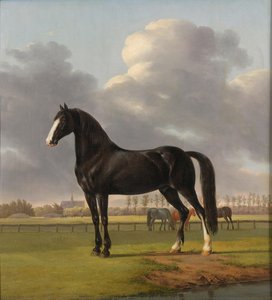
anthony oberman
1781 - 1845 , Netherlands
Quick Facts
- Artistic Movement Or Style: Classical portraiture
- Date Of Birth: Amsterdam, Netherlands (1781)
- Date Of Death: 1845
- Full Name: Anthony Oberman
- Nationality: Dutch
- Notable Artworks: ['The Artist at His Studio']
- Place Of Birth: Amsterdam