 Preview
 Send
Send Share
Share
 Details

 Download
 Similars
 X-Ray
X-Ray Diaporama
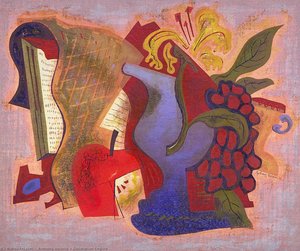
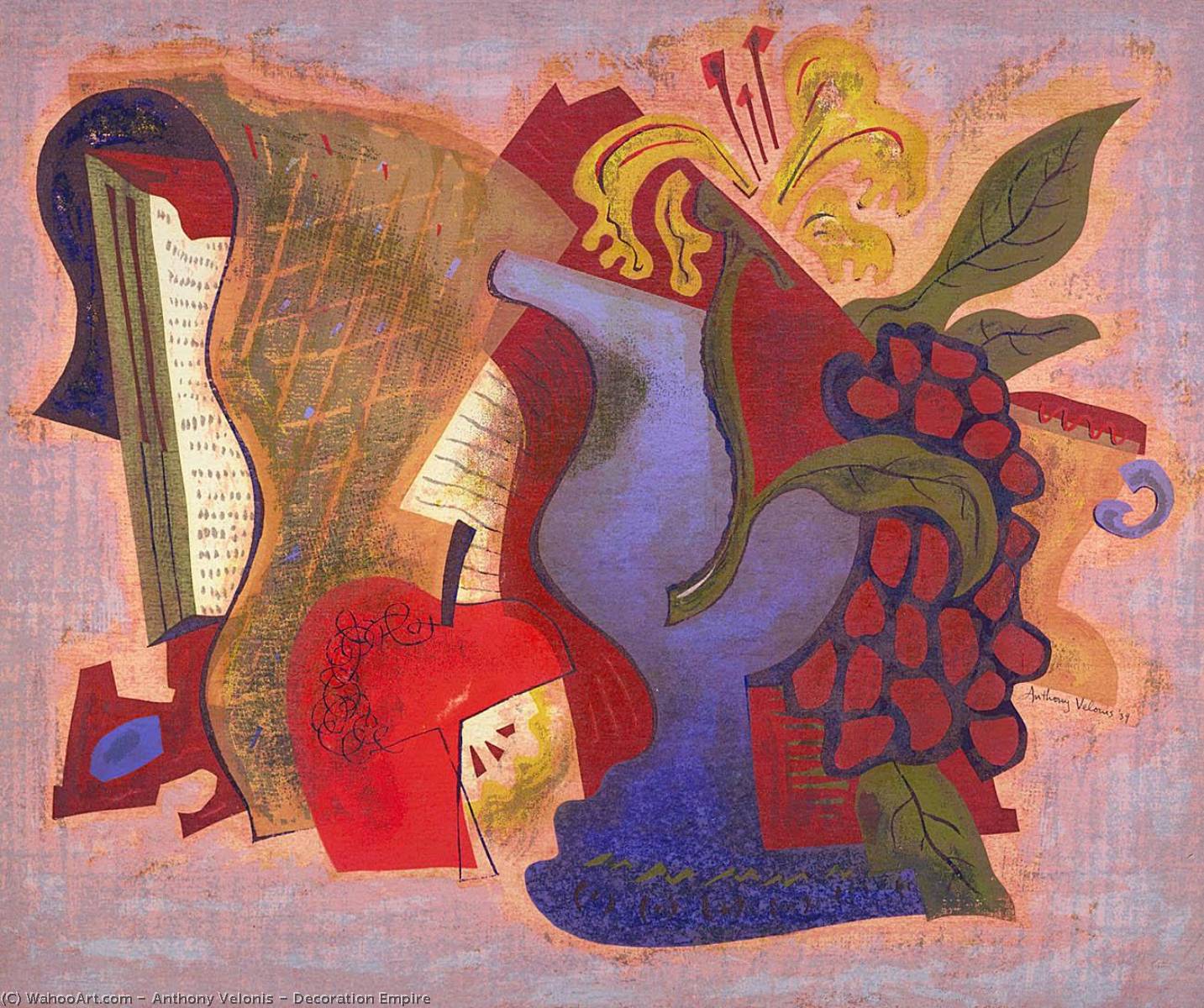
Decoration Empire
 1939
1939 29.0 x 35.0 cm
 Read More
Giclée / Art Print
Museum-quality giclée or canvas print with fast production and flexible finish options. ( Buy Hand Made Painting Buy Image)




































Pick from our preset sizes that match the artwork's original proportions.

You may enter your own dimensions to fit a specific frame or space. If your selected size does not match the original image's proportions, we will either crop the artwork or extend the image with a mirrored or solid-fill edge. A digital mockup will be sent for your approval before production begins.
Please note that the on-screen preview does not reflect the actual cropping or extension. Only the mockup will accurately show the final composition.
While custom sizes are available, we recommend selecting a dimension from the predefined list to preserve the original proportions.
Worldwide Delivery () in 2 weeks instead of standard 4/5 weeks. (18 August)

Free Worldwide Express Shipping

High-Quality Linen Canvas

Full Shipping Insurance

Customs Tax Refund Guarantee

True Color Matching Guarantee

60-Day Return Policy (Defects Only)

100% Money-Back Guarantee

Bulk Discount Offer
 Glass option is only available in size under 110 CM

Decoration Empire
Giclée / Art Print
Reproduction Size
-


Total Price
$ 63
Related Artworks
Artist Biography
The Architect of the Serigraph
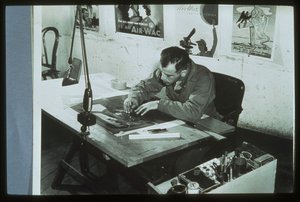
In the vibrant, struggling landscape of Depression-era New York, a quiet revolution was unfolding within the studios of the Federal Works Progress Administration. At the heart of this movement stood Anthony Velonis, an artist whose name became synonymous with the elevation of a commercial process into a profound fine art form. Born in 1911 to a Greek immigrant family, Velonis’s early years were shaped by the grit and texture of New York City tenements. His creative lineage was rooted in the sacred; he drew deep inspiration from his grandfather, an ecclesiastical painter from the hills of Greece who practiced the ancient, luminous traditions of Byzantine style. This early exposure to spiritual iconography and meticulous craftsmanship provided the foundation for a career dedicated to exploring how light, color, and layer could transform a simple surface into something transcendent.
Velonis’s journey was one of remarkable technical curiosity and resilience. After receiving a scholarship to the NYU College of Fine Arts, he navigated an era of profound economic uncertainty, yet it was within this very hardship that his greatest contribution emerged. While working in his brother's sign shop, Velonis began to investigate the mechanics of silkscreen printing. He did not merely see a method for mass production; he saw a medium capable of immense depth and nuance. It was during this period of experimentation that he helped pioneer the term "serigraph" to distinguish this fine art application from its commercial origins—a distinction he humbly declined to claim publicly, preferring to let the brilliance of the work speak for itself.
Mastery of Material and Light
What set Velonis apart from his contemporaries was an insatiable desire to push the boundaries of what a print could be. He refused to be confined by the traditional limits of paper, mastering complex techniques to transfer ink onto a diverse array of surfaces including glass, plastics, and metal. This expansion of the medium allowed him to play with translucency and reflection, creating works that interacted dynamically with the environment around them. His mastery of the silkscreen process enabled him to layer colors with a precision that captured the atmospheric essence of urban life, turning the industrial grit of the city into poetic compositions.
His body of work often reflects a profound connection to the American landscape and the rhythmic pulse of the cityscape. Through his prints, one can witness:
- The Urban Pulse: Capturing the dramatic interplay of light and shadow within New York’s canyons of steel and stone.
- Technical Innovation: The seamless integration of varied textures and unexpected substrates that challenged the definition of printmaking.
- Graphic Clarity: A sophisticated use of color blocking and line work that bridged the gap between poster design and high art.
A Lasting Legacy in Modern Art
The historical significance of Anthony Velonis extends far beyond the borders of the WPA era. By legitimizing the silkscreen as a medium for serious artistic expression, he laid the essential groundwork for the Pop Art movement that would follow decades later. The very techniques he refined—the bold use of color, the layering of imagery, and the embrace of mechanical reproduction—became the primary language for icons such as Andy Warhol and Robert Rauschenberg. Without Velonis’s early advocacy and technical breakthroughs, the visual landscape of the mid-to-late 20th century might have lacked its most defining characteristic: the seamless blend of high culture and popular print.
Today, Velonis is remembered not just as a designer or a technician, but as a visionary who saw beauty in the industrial and potential in the ephemeral. His life remains a testament to the power of artistic persistence, proving that even in the shadow of economic collapse, the human spirit can find new ways to illuminate the world through color, ink, and an unwavering commitment to innovation.
anthony velonis
1911 - 1997
Quick Facts
- Artistic Movement Or Style: Mod genre painting
- Artists Or Movements Influenced By This Artist:
- Robert Rauschenberg
- Andy Warhol
- Artists Who Influenced This Artist: ['Byzantine painters']
- Date Of Birth: October 23, 1911
- Date Of Death: October 29, 1997
- Full Name: Anthony Velonis
- Nationality: American
- Notable Artworks:
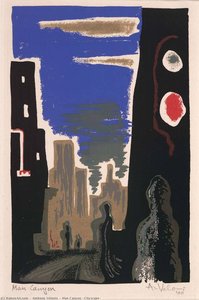
- Man Canyon
- Decoration Empire
- Place Of Birth: New York City, USA