 Preview
 Send
Send Share
Share
 Details

 Download
 Similars
 X-Ray
X-Ray Diaporama
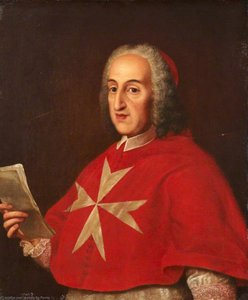
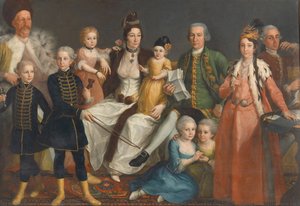
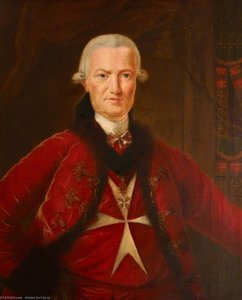
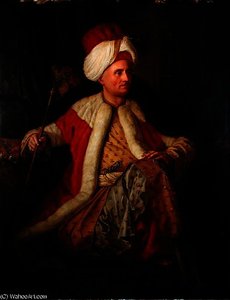
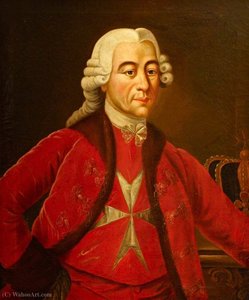
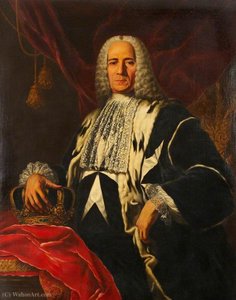
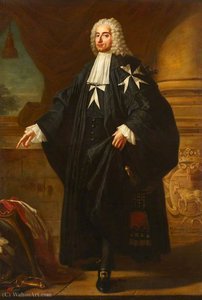
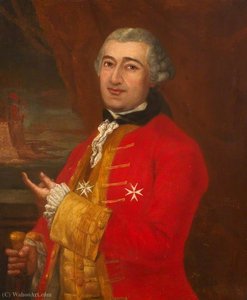
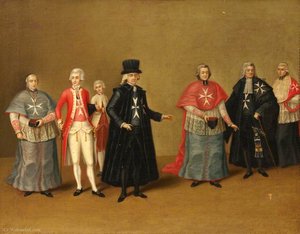
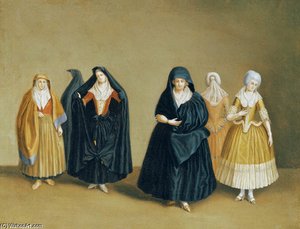
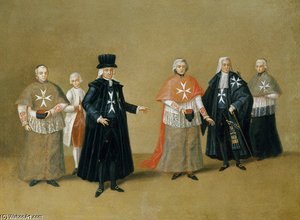
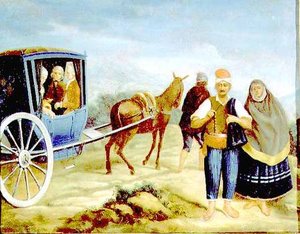
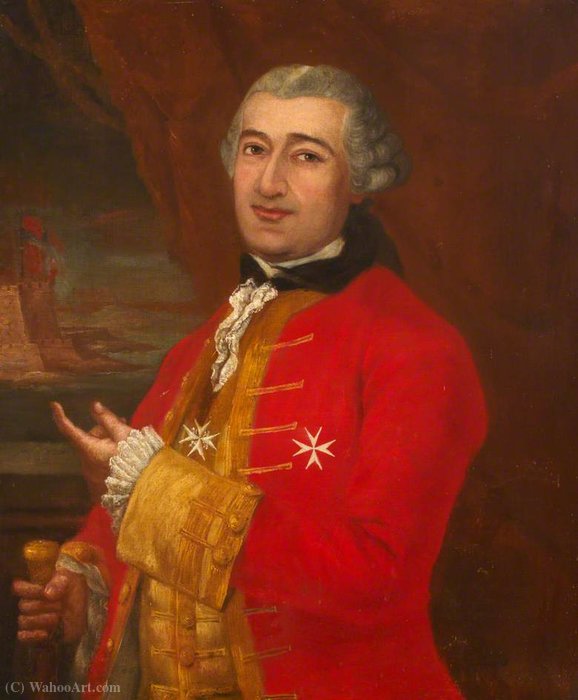
Rene Jacob de Tigne
 Read More
Hand Made Oil Reproduction
Hand-painted oil on canvas in your size and frame, made to order by our artists. ( Buy Print Buy Image)




































Pick from our preset sizes that match the artwork's original proportions.

You may enter your own dimensions to fit a specific frame or space. If your selected size does not match the original image's proportions, we will either crop the artwork or extend the painting with additional hand-painted elements. A digital mockup will be sent for your approval before production begins.
Please note that the on-screen preview does not reflect the actual cropping or extension. Only the mockup will accurately show the final composition.
While custom sizes are available, we recommend selecting a dimension from the predefined list to preserve the original proportions.
After order, ArtsDot.com team will email client for instructions and provide a mockup preview
Worldwide Delivery () in 3/4 weeks instead of standard 5 weeks. (20 August). No compromise on quality.

Free Worldwide Express Shipping

High-Quality Linen Canvas

Full Shipping Insurance

Customs Tax Refund Guarantee

True Color Matching Guarantee

60-Day Return Policy (Defects Only)

100% Money-Back Guarantee

Bulk Discount Offer
 Glass option is only available in size under 110 CM

Rene Jacob de Tigne
Reproduction Medium
Reproduction Size
-


Total Price
$ 263
Related Artworks
Artist Biography
A Life Bridging Worlds: Antoine de Favray and the Art of Cultural Exchange
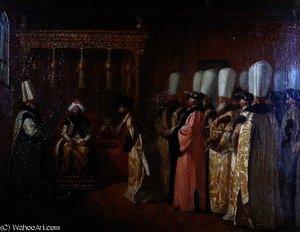
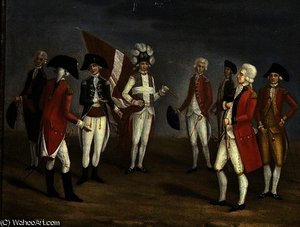
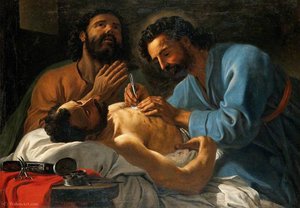
Antoine de Favray, born in Bagnolet, France, in 1706, occupies a fascinating niche in eighteenth-century art history. He wasn’t merely a painter; he was a visual diplomat, a chronicler of cross-cultural encounters during an age defined by burgeoning global interaction. While details surrounding his early artistic training remain somewhat elusive, it's clear that Favray possessed a natural talent for portraiture – a skill that would ultimately lead him to the heart of both Ottoman and Maltese aristocratic circles. His journey wasn’t one of immediate acclaim within the established Parisian salons, but rather a deliberate seeking out of new horizons, a willingness to immerse himself in worlds far removed from his origins. This adventurous spirit defined his career and imbued his work with a unique perspective rarely seen among artists of his time.Constantinople: A Nine-Year Immersion
The pivotal moment in Favray’s artistic trajectory arrived in 1762 when he embarked on a journey to Constantinople, the vibrant capital of the Ottoman Empire. He joined a growing number of European artists drawn by the exotic allure and artistic opportunities that this world presented. For nine years, Favray lived and worked within the bustling heart of Turkish life under the reign of Louis XVI, documenting not only the opulent lives of dignitaries but also the everyday rhythms of the city’s inhabitants. This wasn't simply a case of an artist observing from afar; Favray actively engaged with his surroundings, skillfully portraying both local figures and foreign emissaries with remarkable detail and sensitivity. He produced numerous genre scenes depicting daily life in Turkey, offering glimpses into markets, coffee houses, and domestic interiors – images that were novel and captivating to European audiences accustomed to more conventional subjects. His time in Constantinople wasn’t merely about artistic production; it was a period of profound cultural immersion that fundamentally shaped his aesthetic vision.Portraits of Power and Diplomacy
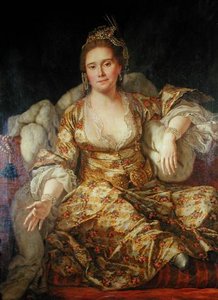
Favray's most enduring legacy lies in his portraits, which are far more than mere likenesses. He possessed an exceptional ability to capture not only the physical appearance of his subjects but also their personality, status, and even a sense of their inner lives. Among his most celebrated works are the portraits of Charles Gravier, Comte de Vergennes – a prominent French diplomat who served as ambassador to Constantinople. Favray painted two striking depictions of Vergennes: one in traditional French attire, emphasizing his European identity, and another adorned in opulent Ottoman dress, highlighting his engagement with Turkish culture. This duality speaks volumes about the complex diplomatic landscape of the time and Favray’s keen understanding of visual symbolism. Equally compelling is the portrait of Vergennes' wife, Annette du Vivier, Comtesse de Vergennes, also depicted in rich Turkish garments, further emphasizing the cultural fascination and exchange between France and the Ottoman Empire. Beyond these prominent figures, Favray also created a series of portraits depicting the Grand Masters of the Sovereign Military Order of Malta, solidifying his reputation as a sought-after portraitist within influential circles.Style and Legacy: A Synthesis of East and West
Favray’s artistic style is characterized by a remarkable blend of European techniques and an appreciation for Ottoman aesthetics. His paintings exhibit realistic detail, vibrant colors, and a keen eye for capturing the textures of fabrics and ornamentation – hallmarks of Rococo portraiture prevalent in Europe during his time. However, he didn't simply transplant European conventions onto Turkish subjects; he incorporated elements of Ottoman design and composition into his work, creating a unique visual language that reflects his cross-cultural experience. His influence isn’t easily traced to specific artists, but rather emerges from the broader artistic currents of the eighteenth century combined with his personal observations and experiences. His portraits serve as invaluable historical documentation, offering insights into the lives and personalities of individuals who played significant roles in an era of complex diplomacy and cultural exchange. They provide a rare visual record of Ottoman court life and aristocratic fashion, preserving details that might otherwise have been lost to time. Antoine de Favray’s legacy endures not only through his beautiful paintings but also as a testament to the power of art to bridge cultures and illuminate the shared human experience. He remains a significant figure in the history of Orientalist painting, demonstrating how artistic talent combined with open-minded exploration can create works that resonate across centuries.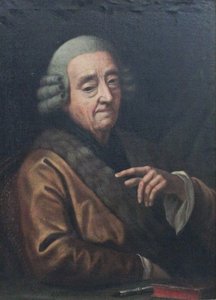
Antoine de Favray
1706 - 1798 , France
Quick Facts
- Artistic Movement Or Style: Orientalism, Rococo
- Date Of Birth: 1706
- Date Of Death: 1798
- Full Name: Antoine de Favray
- Nationality: French
- Notable Artworks:
- Jacques de Vachon Belmont
- Cardinal portocarrero
- Grand Master & Chaplains
- Vergennes portraits
- Place Of Birth: Bagnolet, France