

 Preview
 Send
Send Share
Share
 Details

 Download
 Similars
 X-Ray
X-Ray Diaporama
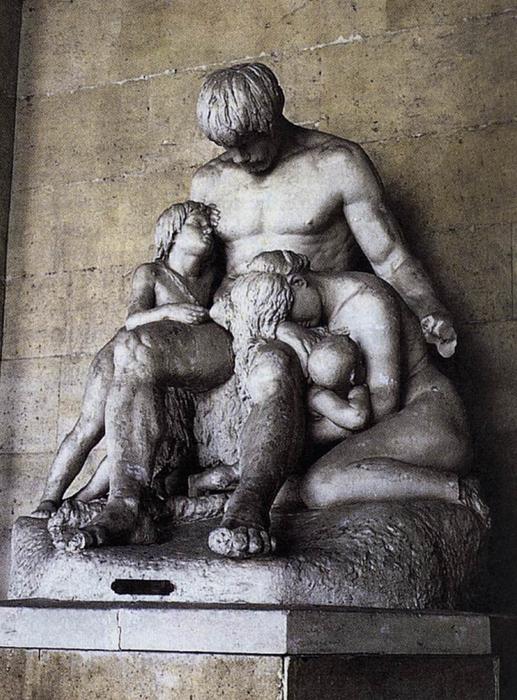
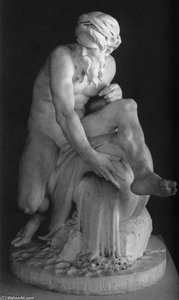
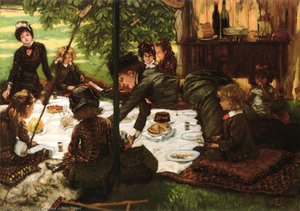
Cain and his Children Accursed of God


 Read More
Purchase a high-resolution, enhanced digital image, far superior to the online preview.
Each file is meticulously prepared by our in-house specialists using advanced tools and expert manual retouching. We ensure every image has exceptional clarity, precise color accuracy, and fine detail.
The final file is delivered via email within 72 hours, optimized for immediate use in professional, editorial, and print environments. This is the same quality trusted by top-tier design studios, publishers, and galleries.
Digital Image
Download a high-resolution file for personal display, printing, and creative projects. ( Buy Print Buy Hand Made Painting)
Included in Every Digital Image Order
Expert Digital Delivery, Guaranteed
When you choose ArtsDot.com, you're not just getting an image - you're receiving a professionally enhanced digital artwork, crafted with precision and backed by a satisfaction guarantee. Here's everything that comes with your order, automatically:

Fast Email Delivery
Your high-resolution digital image file will be emailed to you within 72 hours of ordering - ready for immediate use.

AI-Enhanced Digital File
Your artwork is professionally optimized using advanced AI tools and manual editing, ensuring maximum detail, clarity, and color accuracy.

Free Lifetime Re-Delivery
Accidentally deleted or lost your file? No worries - we'll resend it to you anytime, free of charge.

No Import Fees - Ever
Enjoy your artwork instantly with zero customs, duties, or delivery fees - digital downloads are always tax-free.

Color Accuracy Guarantee
We ensure your digital image reflects the original colors as closely as possible using professional tools and color management.

60-Day Satisfaction Guarantee
If you're not satisfied with your digital image, we'll revise it or refund 100% within 60 days - no questions asked.

100% Money-Back Guarantee
Not satisfied? Get a full refund within 60 days of receiving your digital file - no questions asked.

Bulk Order Discounts
Buy 3 images, save 10% - Buy 5, save 15% - Buy 10+, save 20%. Great for creative projects, galleries, and agencies.
Related Artworks


Artist Biography
A Life Bridging Worlds: Antoine Étex and the French Artistic Transition
Antoine Étex, born in Paris in 1808 and passing away in Chaville in 1888, occupies a fascinating, if sometimes overlooked, position within the landscape of 19th-century French art. He was an artist of remarkable versatility—a sculptor first and foremost, but also a painter and architect—who embodied the shifting currents that moved France from the formality of Neoclassicism toward the emotional intensity of Romanticism. Étex’s career wasn't defined by radical innovation, but rather by a skillful synthesis of tradition and emerging sensibilities, making his work a compelling reflection of its era. His early aptitude for the arts led him to formal training in sculpture, a discipline that would remain central to his artistic identity throughout his life, instilling within him a meticulous technique and deep understanding of classical forms.Early Recognition and Monumental Commissions
Étex first presented his work to the public at the prestigious Paris Salon in 1833, immediately signaling his arrival as a talent to watch. Two pieces were exhibited that year: a marble reproduction of *Death of Hyacinthus* and a plaster cast titled *Cain and His Race Cursed by God*. These early works demonstrated not only technical proficiency but also an ability to imbue mythological narratives and biblical scenes with dramatic weight and emotional resonance. However, it was a commission from Adolphe Thiers, then Minister of Public Works, that truly propelled Étex into the forefront of French artistic life. He was entrusted with creating the sculptural groups of *Peace* and *War* intended to adorn the east facade of the Arc de Triomphe. Completed between 1833 and 1837, these monumental sculptures were more than just decorative elements; they were statements of national identity and civic virtue, and their successful execution cemented Étex’s reputation as a leading sculptor of his generation. The scale and ambition of this project established him as an artist capable of handling large-scale public works with both technical skill and artistic vision.A Diverse Oeuvre: Sculpture, Painting, and Architecture
While best known for the Arc de Triomphe sculptures, Étex’s creative output was remarkably diverse. His oeuvre encompassed a wide range of sculptural groups exploring mythological and religious themes, demonstrating his continued engagement with classical subject matter. Beyond sculpture, he also undertook architectural projects, designing tombs and monuments that showcased his understanding of spatial relationships and decorative detail. Perhaps surprisingly to some, Étex also produced paintings, such as *Eurydice* and *The Martyrdom of Saint Sebastian*, revealing a versatility across different media that speaks to the breadth of his artistic interests. His style is characterized by a compelling blend of Neoclassical precision—evident in the anatomical accuracy and careful modeling of his figures—and Romantic expressiveness, which manifests in the dramatic narratives and heightened emotionality of his compositions. He didn’t abandon classical forms entirely, but infused them with a new sense of dynamism and psychological depth.A Poignant Tribute: The Tomb of Théodore Géricault
Among Étex's most poignant achievements is the tomb he designed for fellow artist Théodore Géricault in Père Lachaise Cemetery. This memorial stands as a powerful testament to both artistic skill and personal respect. It features a bronze figure of Géricault himself, gazing thoughtfully into the distance, alongside a low-relief depiction of his controversial masterpiece, *The Raft of the Medusa*. The choice to include this specific work is particularly significant; it acknowledges Géricault’s bold departure from academic conventions and his unflinching portrayal of human suffering. Étex's tomb isn’t merely a marker of death but a celebration of artistic courage and a poignant dialogue between two generations of French artists. It demonstrates Étex’s ability to capture complex emotions and translate them into enduring sculptural form.Legacy and Historical Significance
Antoine Étex was not solely dedicated to the practical execution of art; he also engaged with its intellectual underpinnings, authoring essays on subjects related to artistic theory and practice. This demonstrates a thoughtful engagement with the broader artistic discourse of his time. While perhaps not as widely celebrated today as some of his contemporaries, Étex’s contributions remain vital for understanding the development of 19th-century French sculpture and art. His work reflects the transitional period between Neoclassicism and Romanticism, bridging the gap between classical tradition and modern expression. He influenced subsequent generations of sculptors who sought to combine technical mastery with emotional depth, leaving behind a legacy that continues to resonate within the history of French art. His influence can be seen in the continued exploration of narrative sculpture and the integration of dramatic storytelling into monumental public works.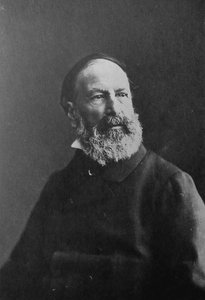
Antoine Étex
1808 - 1888 , France
Quick Facts
- Artistic Movement Or Style: Neoclassical, Romanticism
- Date Of Birth: March 20, 1808
- Date Of Death: July 14, 1888
- Full Name: Antoine Étex
- Nationality: French
- Notable Artworks:
- Peace
- War
- Géricault's Tomb
- Blanche de Castille
- Eurydice
- The Martyrdom of Saint Sebastian
- Place Of Birth: Paris, France

