

 Preview
 Send
Send Share
Share
 Details

 Download
 Similars
 X-Ray
X-Ray Diaporama
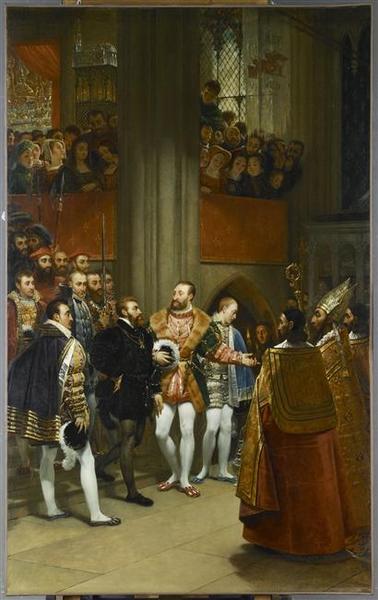
CHARLES QUINT RECU PAR FRANCOIS IER A L'ABBAYE DE SAINT DENIS (1540)


 Read More
Purchase a high-resolution, enhanced digital image, far superior to the online preview.
Each file is meticulously prepared by our in-house specialists using advanced tools and expert manual retouching. We ensure every image has exceptional clarity, precise color accuracy, and fine detail.
The final file is delivered via email within 72 hours, optimized for immediate use in professional, editorial, and print environments. This is the same quality trusted by top-tier design studios, publishers, and galleries.
Digital Image
Download a high-resolution file for personal display, printing, and creative projects. ( Buy Print Buy Hand Made Painting)
Included in Every Digital Image Order
Expert Digital Delivery, Guaranteed
When you choose ArtsDot.com, you're not just getting an image - you're receiving a professionally enhanced digital artwork, crafted with precision and backed by a satisfaction guarantee. Here's everything that comes with your order, automatically:

Fast Email Delivery
Your high-resolution digital image file will be emailed to you within 72 hours of ordering - ready for immediate use.

AI-Enhanced Digital File
Your artwork is professionally optimized using advanced AI tools and manual editing, ensuring maximum detail, clarity, and color accuracy.

Free Lifetime Re-Delivery
Accidentally deleted or lost your file? No worries - we'll resend it to you anytime, free of charge.

No Import Fees - Ever
Enjoy your artwork instantly with zero customs, duties, or delivery fees - digital downloads are always tax-free.

Color Accuracy Guarantee
We ensure your digital image reflects the original colors as closely as possible using professional tools and color management.

60-Day Satisfaction Guarantee
If you're not satisfied with your digital image, we'll revise it or refund 100% within 60 days - no questions asked.

100% Money-Back Guarantee
Not satisfied? Get a full refund within 60 days of receiving your digital file - no questions asked.

Bulk Order Discounts
Buy 3 images, save 10% - Buy 5, save 15% - Buy 10+, save 20%. Great for creative projects, galleries, and agencies.
A Royal Encounter Illuminated: Gros’s Depiction of Saint Denis Abbey
Saint Denis Abbey, nestled in the Parisian suburb of Saint-Denis, served as the backdrop for a momentous diplomatic meeting between King Charles V and Holy Roman Emperor Francis I in 1540. Antoine Jean Gros’s monumental painting captures this pivotal scene with breathtaking precision and dramatic flair—a testament to Neoclassical artistic ideals and a captivating glimpse into Renaissance European politics. The artwork immediately draws the eye with its masterful use of light and shadow, orchestrated by Gros himself. A dominant beam of illumination descends from the upper left corner, bathing Charles V and Francis I in radiant glow while simultaneously plunging much of the abbey interior into cool darkness. This theatrical lighting isn’t merely decorative; it serves to emphasize the figures at the center of attention—the monarchs—and underscores their importance within the larger narrative. The careful positioning of observers on balconies adds depth and perspective, mirroring the grandeur of the royal presence below. Gros skillfully employs linear perspective to create a convincing illusion of space within the abbey’s vaulted ceilings and ornate architectural details. Columns ascend towards the heavens, guiding the viewer's gaze upwards, while arches frame the central group of figures. The drapery—particularly that adorning Francis I—flows gracefully, conveying movement and dynamism against the static backdrop of stone and timber. These elements combine to evoke a sense of solemn grandeur, reflecting the significance of the occasion depicted. The color palette is rich and subdued, dominated by warm hues – reds, browns, golds – which imbue the scene with an aura of regal splendor. However, these vibrant tones are tempered by deep shadows that heighten the drama and contribute to the painting’s overall mood. The artist's meticulous attention to detail—from the textures of clothing to the expressions on the faces of the dignitaries—demonstrates Gros’s commitment to capturing both visual accuracy and psychological nuance. Beyond its aesthetic qualities, “Charles Quint Recu par François Ier à l’Abbaye de Saint Denis” carries considerable symbolic weight. The presence of religious figures – vestments worn by several clergymen – underscores the solemnity of the diplomatic negotiations and hints at the influence of papal authority on European affairs during this era. Furthermore, the hierarchical arrangement of the figures—Charles V positioned prominently at the forefront—reflects the power dynamics inherent in the relationship between the Habsburg monarchy and the Valois dynasty. Gros’s masterpiece invites contemplation on themes of leadership, diplomacy, and the enduring legacy of Renaissance art.- Artist: Antoine Jean Gros (Baron Gros)
- Born Year: 1771
- Death Year: 1835
- Birth City: None
- Birth Country: France
Further Exploration & Reproduction Recommendations
To delve deeper into Gros’s artistic vision and appreciate the exquisite detail of this iconic artwork, we encourage you to visit the Louvre Museum where a high-quality reproduction is available for viewing and study. Alternatively, explore related articles on Barbizon Realism and Impressionist influences here. Consider commissioning a bespoke print from ArtsDot.com to adorn your home or office with this timeless masterpiece.Related Artworks
Artist Biography
The Dramatic Visions of Antoine-Jean Gros: Chronicler of an Empire
Antoine-Jean Gros, later Baron Gros, emerged as a defining voice in the transition from Neoclassical formality to the passionate fervor of Romanticism. Born in Paris in 1771, his artistic journey was inextricably linked with the tumultuous era he inhabited – the French Revolution and the rise and fall of Napoleon Bonaparte. Unlike many artists who sought refuge in idealized pasts, Gros found inspiration in the immediacy of contemporary events, becoming a master of historical painting that resonated with both political power and human drama. His early life offered little indication of the fame that awaited him; his father was a silk merchant, and while he received some initial artistic training, it wasn’t until he entered the studio of Jacques-Louis David in 1789 that his true potential began to unfold. This mentorship proved pivotal, instilling in Gros a rigorous academic foundation but also exposing him to the revolutionary spirit sweeping France.From Revolutionary Zeal to Napoleonic Glory
The early years of Gros’s career were marked by paintings reflecting the fervor of the Revolution. However, his trajectory shifted dramatically with Napoleon's ascent. Recognizing Gros’s talent for capturing spectacle and emotion, Napoleon became a crucial patron, commissioning works that served as powerful propaganda tools. “Napoleon Visiting the Plague-Stricken in Jaffa” (1804), perhaps his most iconic painting, exemplifies this period. It wasn't merely a depiction of an event; it was a carefully constructed image designed to portray Napoleon as a compassionate leader, fearlessly tending to his troops despite the horrors of war. The scene is imbued with a theatrical intensity – the dramatic lighting, the expressive gestures of both Napoleon and the suffering soldiers, and the overall sense of pathos all contribute to its emotional impact. This work broke from Neoclassical conventions by prioritizing feeling over idealized form, foreshadowing the Romantic movement’s emphasis on subjective experience. He continued this trend with monumental canvases like “Battle of Eylau” (1808), a stark and unflinching portrayal of the brutal realities of warfare, yet still framed within Napoleon's heroic narrative. These paintings weren’t simply historical records; they were carefully curated myths that solidified Napoleon’s image as a military genius and benevolent ruler.A Bridge Between Styles: Neoclassical Roots & Romantic Flourishes
Gros’s artistic style represents a fascinating synthesis of opposing forces. He inherited the meticulous draftsmanship, clarity of composition, and emphasis on anatomical accuracy from his teacher, David – hallmarks of Neoclassicism. However, he infused these qualities with a newfound dynamism, emotional intensity, and a willingness to embrace dramatic color palettes that distinguished him from his predecessor. His compositions often featured complex arrangements of figures, creating a sense of movement and chaos reminiscent of Baroque painting. Unlike the cool detachment favored by Neoclassical artists, Gros’s works are charged with emotion – grief, fear, courage, and despair are palpable in his depictions of battle scenes and portraits. He masterfully employed chiaroscuro to heighten dramatic effect, drawing attention to key figures and creating a sense of depth and atmosphere. This blending of styles allowed him to create paintings that were both visually compelling and emotionally resonant, appealing to a broad audience while simultaneously pushing the boundaries of artistic convention.Later Years & Lasting Legacy
Following Napoleon’s downfall, Gros struggled to adapt to the changing political landscape. The restored Bourbon monarchy offered less patronage, and his attempts to return to more traditional historical subjects met with limited success. He became a professor at the École des Beaux-Arts in 1809, but found teaching frustrating. A growing disillusionment with the glorification of war and a personal tragedy – the loss of his wife in 1832 – contributed to a period of depression. In 1835, Gros tragically drowned while painting a portrait on the banks of the Seine River. Despite this somber end, his legacy remains secure. He paved the way for Romantic painters like Eugène Delacroix and Théodore Géricault, inspiring them to embrace emotional intensity and contemporary subject matter.- His influence can be seen in their shared interest in dramatic compositions, expressive brushwork, and a willingness to challenge academic conventions.
- Gros’s paintings continue to captivate audiences with their powerful depictions of historical events and human emotion.
- He stands as a pivotal figure in the transition from Neoclassicism to Romanticism, bridging the gap between two distinct artistic movements.
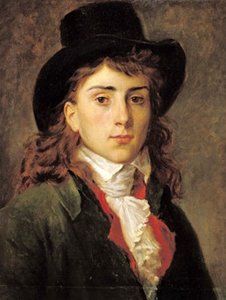
antoine-jean gros (baron gros)
1771 - 1835
Quick Facts
- Artistic Movement Or Style: Romanticism
- Artists Who Influenced This Artist: ['Jacques-Louis David']
- Date Of Birth: 1771
- Date Of Death: 1835
- Full Name: Antoine-Jean Gros
- Nationality: French
- Notable Artworks: ['Napoleon Visiting the Plague-Stricken in Jaffa']
- Place Of Birth: Paris, France

