 Preview
 Send
Send Share
Share
 Details

 Download
 Similars
 X-Ray
X-Ray Diaporama
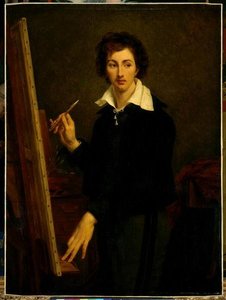
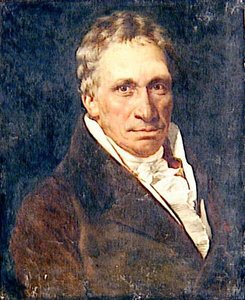
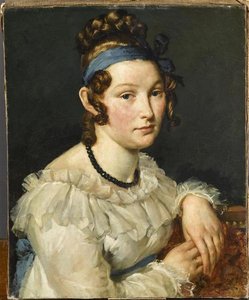
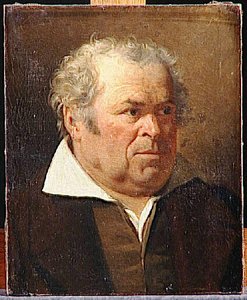
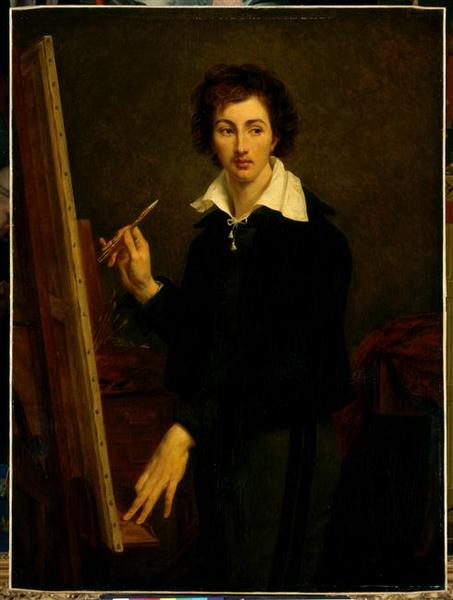
LE COMTE ALCIDE DE LA RIVALLIERE


 Read More
Hand Made Oil Reproduction
Hand-painted oil on canvas in your size and frame, made to order by our artists. ( Buy Print Buy Image)




P118B $10

P118H $10

P118W $10

P438Z $10

P508JH $12

P508YH $12

P805H $10

P805Z $10

P919BZ $10

P919G $10

P919XJ $10

P959ZH $10

P968JZ $12

W106C $8

W218G $10

W218JH $8

W218Y $10

W307PJ $10

W316G $10

W316PJ $8

W316Y $10

W398PJ $8

W4111J $10

W500HY $15

W500JH $15

W692G $12

W849H $8

W940BG $15

W953PJ $8




Pick from our preset sizes that match the artwork's original proportions.

You may enter your own dimensions to fit a specific frame or space. If your selected size does not match the original image's proportions, we will either crop the artwork or extend the painting with additional hand-painted elements. A digital mockup will be sent for your approval before production begins.
Please note that the on-screen preview does not reflect the actual cropping or extension. Only the mockup will accurately show the final composition.
While custom sizes are available, we recommend selecting a dimension from the predefined list to preserve the original proportions.
After order, ArtsDot.com team will email client for instructions and provide a mockup preview
Worldwide Delivery () in 3/4 weeks instead of standard 5 weeks. (25 August). No compromise on quality.

Free Worldwide Express Shipping

High-Quality Linen Canvas

Full Shipping Insurance

Customs Tax Refund Guarantee

True Color Matching Guarantee

60-Day Return Policy (Defects Only)

100% Money-Back Guarantee

Bulk Discount Offer
 Glass option is only available in size under 110 CM

LE COMTE ALCIDE DE LA RIVALLIERE
Reproduction Medium
Reproduction Size
-


Total Price
$ 263
Artwork Description
The Echoes of Napoleonic Grandeur
To stand before Antoine-Jean Gros’s portrait of Le Comte Alcide de la Rivallière is to step directly into the charged atmosphere of early nineteenth-century Parisian society, a world teetering between the rigid ideals of Neoclassicism and the burgeoning emotional storm of Romanticism. This painting is more than a mere likeness; it is a carefully constructed tableau vivant, capturing the essence of aristocratic bearing during an era defined by revolution and imperial ambition. Gros, ever the chronicler of dramatic moments, imbues this formal portrait with a palpable sense of history, allowing us to feel the weight of expectation resting upon the subject’s shoulders.
Mastery in Shadow and Light
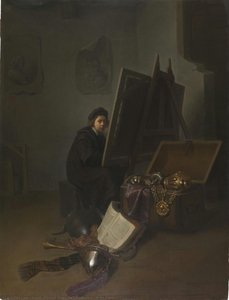
Technically, the work is a breathtaking display of oil paint mastery. Gros employs a dramatic chiaroscuro that serves not merely as illumination but as an emotional spotlight. The light source seems to strike selectively, carving out the contours of the Comte’s face and the rich folds of his attire against a deep, enveloping background. Observe how the artist handles texture: the smoothness suggested on the skin contrasts sharply with the implied roughness of the wooden easel or the heavy drape of fabric. This meticulous rendering speaks to an academic foundation inherited from masters like David, yet it is infused with a painterly freedom that hints at the Romantic spirit just around the corner.
Composition and Symbolic Depth
The composition itself guides the viewer’s eye through a carefully orchestrated narrative space. The three-quarter pose anchors the figure, while the inclusion of surrounding objects—the easel, perhaps preparatory sketches or accoutrements of study—suggests an identity intertwined with art itself. These elements are not decorative filler; they function symbolically. They ground the nobleman within a sphere of culture and intellectual pursuit. The overall palette, dominated by deep browns, somber blacks, and muted reds, contributes to a mood that is simultaneously opulent and profoundly contemplative.
A Touch for the Modern Collector
For those who appreciate historical depth in their décor, this reproduction offers an unparalleled opportunity to integrate high art narrative into a contemporary space. It speaks volumes about status, intellect, and enduring European culture. While the subject matter is rooted in the volatile politics of the era, the emotional resonance—the quiet dignity, the studied gaze—remains timeless. Owning a piece echoing Gros’s vision means acquiring not just paint on canvas, but a tangible connection to the dramatic confluence of art, power, and human character.
Related Artworks

Artist Biography
The Dramatic Visions of Antoine-Jean Gros: Chronicler of an Empire
Antoine-Jean Gros, later Baron Gros, emerged as a defining voice in the transition from Neoclassical formality to the passionate fervor of Romanticism. Born in Paris in 1771, his artistic journey was inextricably linked with the tumultuous era he inhabited – the French Revolution and the rise and fall of Napoleon Bonaparte. Unlike many artists who sought refuge in idealized pasts, Gros found inspiration in the immediacy of contemporary events, becoming a master of historical painting that resonated with both political power and human drama. His early life offered little indication of the fame that awaited him; his father was a silk merchant, and while he received some initial artistic training, it wasn’t until he entered the studio of Jacques-Louis David in 1789 that his true potential began to unfold. This mentorship proved pivotal, instilling in Gros a rigorous academic foundation but also exposing him to the revolutionary spirit sweeping France.From Revolutionary Zeal to Napoleonic Glory
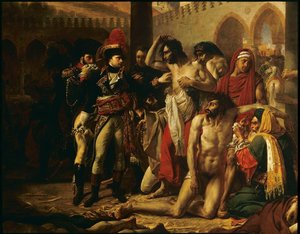
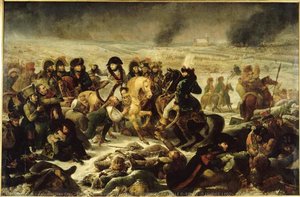
The early years of Gros’s career were marked by paintings reflecting the fervor of the Revolution. However, his trajectory shifted dramatically with Napoleon's ascent. Recognizing Gros’s talent for capturing spectacle and emotion, Napoleon became a crucial patron, commissioning works that served as powerful propaganda tools. “Napoleon Visiting the Plague-Stricken in Jaffa” (1804), perhaps his most iconic painting, exemplifies this period. It wasn't merely a depiction of an event; it was a carefully constructed image designed to portray Napoleon as a compassionate leader, fearlessly tending to his troops despite the horrors of war. The scene is imbued with a theatrical intensity – the dramatic lighting, the expressive gestures of both Napoleon and the suffering soldiers, and the overall sense of pathos all contribute to its emotional impact. This work broke from Neoclassical conventions by prioritizing feeling over idealized form, foreshadowing the Romantic movement’s emphasis on subjective experience. He continued this trend with monumental canvases like “Battle of Eylau” (1808), a stark and unflinching portrayal of the brutal realities of warfare, yet still framed within Napoleon's heroic narrative. These paintings weren’t simply historical records; they were carefully curated myths that solidified Napoleon’s image as a military genius and benevolent ruler.A Bridge Between Styles: Neoclassical Roots & Romantic Flourishes
Gros’s artistic style represents a fascinating synthesis of opposing forces. He inherited the meticulous draftsmanship, clarity of composition, and emphasis on anatomical accuracy from his teacher, David – hallmarks of Neoclassicism. However, he infused these qualities with a newfound dynamism, emotional intensity, and a willingness to embrace dramatic color palettes that distinguished him from his predecessor. His compositions often featured complex arrangements of figures, creating a sense of movement and chaos reminiscent of Baroque painting. Unlike the cool detachment favored by Neoclassical artists, Gros’s works are charged with emotion – grief, fear, courage, and despair are palpable in his depictions of battle scenes and portraits. He masterfully employed chiaroscuro to heighten dramatic effect, drawing attention to key figures and creating a sense of depth and atmosphere. This blending of styles allowed him to create paintings that were both visually compelling and emotionally resonant, appealing to a broad audience while simultaneously pushing the boundaries of artistic convention.Later Years & Lasting Legacy
Following Napoleon’s downfall, Gros struggled to adapt to the changing political landscape. The restored Bourbon monarchy offered less patronage, and his attempts to return to more traditional historical subjects met with limited success. He became a professor at the École des Beaux-Arts in 1809, but found teaching frustrating. A growing disillusionment with the glorification of war and a personal tragedy – the loss of his wife in 1832 – contributed to a period of depression. In 1835, Gros tragically drowned while painting a portrait on the banks of the Seine River. Despite this somber end, his legacy remains secure. He paved the way for Romantic painters like Eugène Delacroix and Théodore Géricault, inspiring them to embrace emotional intensity and contemporary subject matter.- His influence can be seen in their shared interest in dramatic compositions, expressive brushwork, and a willingness to challenge academic conventions.
- Gros’s paintings continue to captivate audiences with their powerful depictions of historical events and human emotion.
- He stands as a pivotal figure in the transition from Neoclassicism to Romanticism, bridging the gap between two distinct artistic movements.
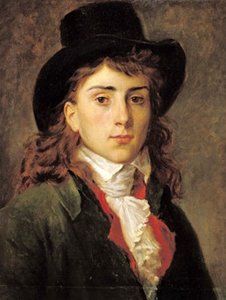
antoine-jean gros (baron gros)
1771 - 1835
Quick Facts
- Artistic Movement Or Style: Romanticism
- Artists Who Influenced This Artist: ['Jacques-Louis David']
- Date Of Birth: 1771
- Date Of Death: 1835
- Full Name: Antoine-Jean Gros
- Nationality: French
- Notable Artworks: ['Napoleon Visiting the Plague-Stricken in Jaffa']
- Place Of Birth: Paris, France
Related Articles

Giclée Prints: Archival Quality & Aesthetic Nuances for the Discerning Collector
Explore the world of giclée prints with ArtsDot. Learn about archival quality, aesthetic nuances & investment potential. Expert guidance for discerning art collectors seeking museum-quality reproductions and lasting value.

Echoes of Time: Exploring the Enduring Appeal & Historical Context of Vintage Art Prints
Explore the captivating world of vintage art prints! Discover their history, collecting tips & enduring appeal. Expert insights on chromolithography and building a legacy collection with ArtsDot.
Romantic Realism's Finest: 10 Masterpieces for Your Home | ArtsDot
Explore 10 defining masterpieces of Romantic Realism! Discover Courbet, Millet & Daumier's powerful paintings—capturing emotion and social realities. Find museum-quality reproductions for your home at ArtsDot.com.

The Enduring Legacy of Fine Art Prints: Technique, History & Aesthetic Impact
Explore the rich history & techniques of fine art prints. Discover investment potential, assess authenticity, and learn how to preserve your collection with expert guidance. Trusted insights for discerning collectors.

Romantic Landscapes: 10 Masterpieces for Your Home | ArtsDot
Journey through 10 Romantic landscape masterpieces by Friedrich, Turner & Cole. Explore emotional art, sublime nature scenes & iconic 19th-century paintings. Find museum-quality reproductions for your home at ArtsDot.com – discover the full collection online!