 Preview
 Send
Send Share
Share
 Details

 Download
 Similars
 X-Ray
X-Ray Diaporama
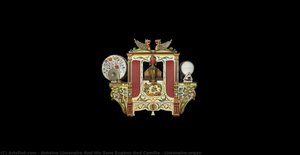
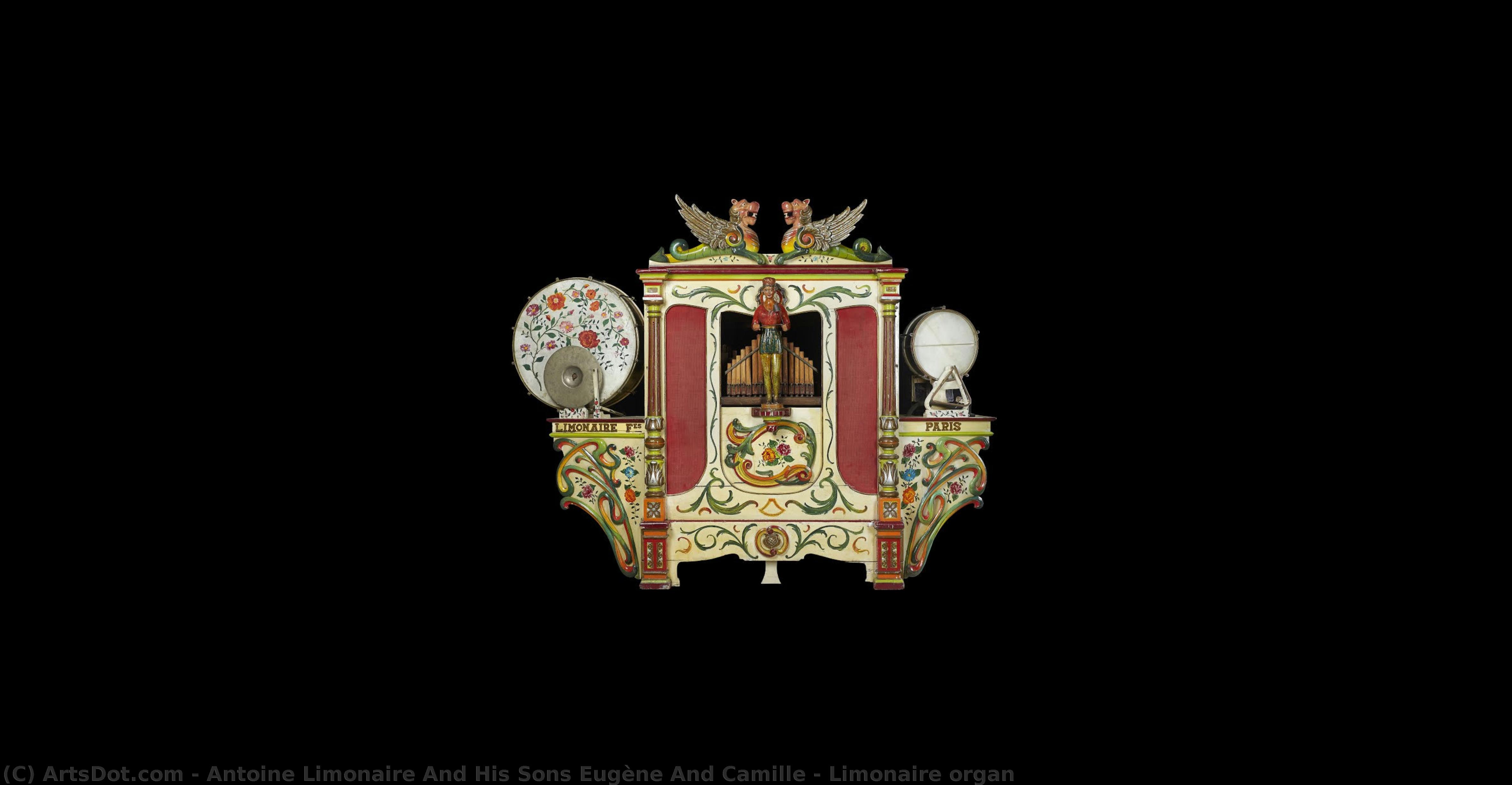
Limonaire organ


 Read More
Giclée / Art Print
Museum-quality giclée or canvas print with fast production and flexible finish options. ( Buy Hand Made Painting Buy Image)




































Pick from our preset sizes that match the artwork's original proportions.

You may enter your own dimensions to fit a specific frame or space. If your selected size does not match the original image's proportions, we will either crop the artwork or extend the image with a mirrored or solid-fill edge. A digital mockup will be sent for your approval before production begins.
Please note that the on-screen preview does not reflect the actual cropping or extension. Only the mockup will accurately show the final composition.
While custom sizes are available, we recommend selecting a dimension from the predefined list to preserve the original proportions.
Worldwide Delivery () in 2 weeks instead of standard 4/5 weeks. (1 September)

Free Worldwide Express Shipping

High-Quality Linen Canvas

Full Shipping Insurance

Customs Tax Refund Guarantee

True Color Matching Guarantee

60-Day Return Policy (Defects Only)

100% Money-Back Guarantee

Bulk Discount Offer
 Glass option is only available in size under 110 CM

Limonaire organ
Giclée / Art Print
Reproduction Size
-


Total Price
$ 63
Related Artworks





Artist Biography
The Parisian Legacy of Limonaire Frères: Shaping the Sound of Fairgrounds
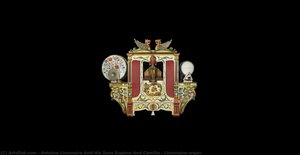
In the vibrant heart of 19th-century Paris, a family name became synonymous with joy, spectacle, and the enchanting melodies that filled fairgrounds across Europe and beyond: Limonaire Frères. The story begins in 1839 with Joseph and Antoine Limonaire, brothers initially dedicated to crafting pianos and organs. However, it was Antoine’s vision that would ultimately define their legacy—a shift towards the creation of elaborate mechanical musical instruments, specifically barrel and orchestral organs, that captured the spirit of an era.
Antoine's early endeavors saw the company flourish, moving from modest beginnings to a workshop on the rue Neuve des Petits Champs by 1852. The 1870s brought further expansion with a new facility on the rue St. Sabin, dedicated to building portable organs designed to bring music directly to the bustling streets and lively fairs of France. This period marked a crucial turning point; Antoine wasn’t merely constructing instruments—he was engineering experiences, crafting mobile concert halls that could evoke wonder in any setting.
From Family Workshop to International Acclaim
The death of Antoine in 1886 didn't halt the momentum but rather ushered in a new chapter under the leadership of his sons, Eugène and Camille. They established a larger factory on the Avenue Daumesnil, strategically located amongst other prominent organ builders like Gasparini and Gavioli. This move signaled an ambition to not just continue their father’s work but to elevate it. The Limonaire Frères quickly became renowned for their innovative designs and meticulous craftsmanship.
The late 19th and early 20th centuries witnessed the company's ascent onto the international stage. Eugène and Camille actively participated in prestigious expositions, showcasing their creations at events in London (1888), Chicago (1893), Amsterdam (1895), and St. Louis (1904). These exhibitions weren’t simply opportunities for display; they were affirmations of quality, earning the company a remarkable 29 medals between 1849 and 1906. This recognition cemented Limonaire Frères' reputation as leaders in their field.
Innovation and Expansion: The Orchestrophone and Beyond
The Limonaire brothers were not content with simply refining existing designs; they actively pursued innovation, filing patents for twelve inventions and establishing the brand name “Orchestrophone.” This reflected a commitment to pushing the boundaries of mechanical music. While initially focused on organs, the company diversified in the 1890s, venturing into the creation of fairground rides—often in collaboration with other manufacturers. This expansion demonstrated an astute understanding of the evolving entertainment landscape.
However, external factors would soon present challenges. High import tariffs imposed by the United States in 1892 hindered direct exports, prompting a strategic shift. Instead of establishing a presence within the US market directly, Limonaire Frères collaborated with American entrepreneurs like William Herschell, supplying components that allowed for local production and circumvented trade barriers. This partnership led to the founding of the North Tonawanda Barrel Organ Factory in New York, further extending the reach of Limonaire’s influence.
A Legacy Endures: The Impact on Fairground Culture
The early 20th century brought both success and upheaval. The economic crisis in the United States impacted Gavioli, creating an opportunity for Limonaire Frères to acquire their German factory in Waldkirch in 1908. This expansion was short-lived, however, as World War I led to the confiscation of the facility in 1917. Despite these setbacks, the Limonaire name remained synonymous with quality and innovation.
The company continued under new management after Camille’s death in 1920 and Eugène's subsequent sale of his shares. While demand eventually waned, the legacy of Limonaire Frères endures. Their organs—with their intricate mechanisms, captivating melodies, and association with a bygone era of spectacle—continue to be cherished by collectors and enthusiasts worldwide. They represent not just musical instruments but artifacts of a cultural moment, embodying the joy, romance, and technological ingenuity of the 19th and early 20th centuries. Limonaire Frères didn’t simply build organs; they built dreams.
Quick Facts
- Artistic Movement Or Style: Fairground Organ Building
- Full Name: Antoine Limonaire & Sons
- Nationality: French
- Notable Artworks:
- Barrel Organs
- Orchestral Organs
- Orchestrophone
- Place Of Birth: Paris, France