 Preview
 Send
Send Share
Share
 Details

 Download
 Similars
 X-Ray
X-Ray Diaporama
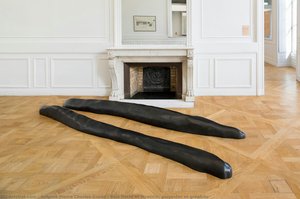
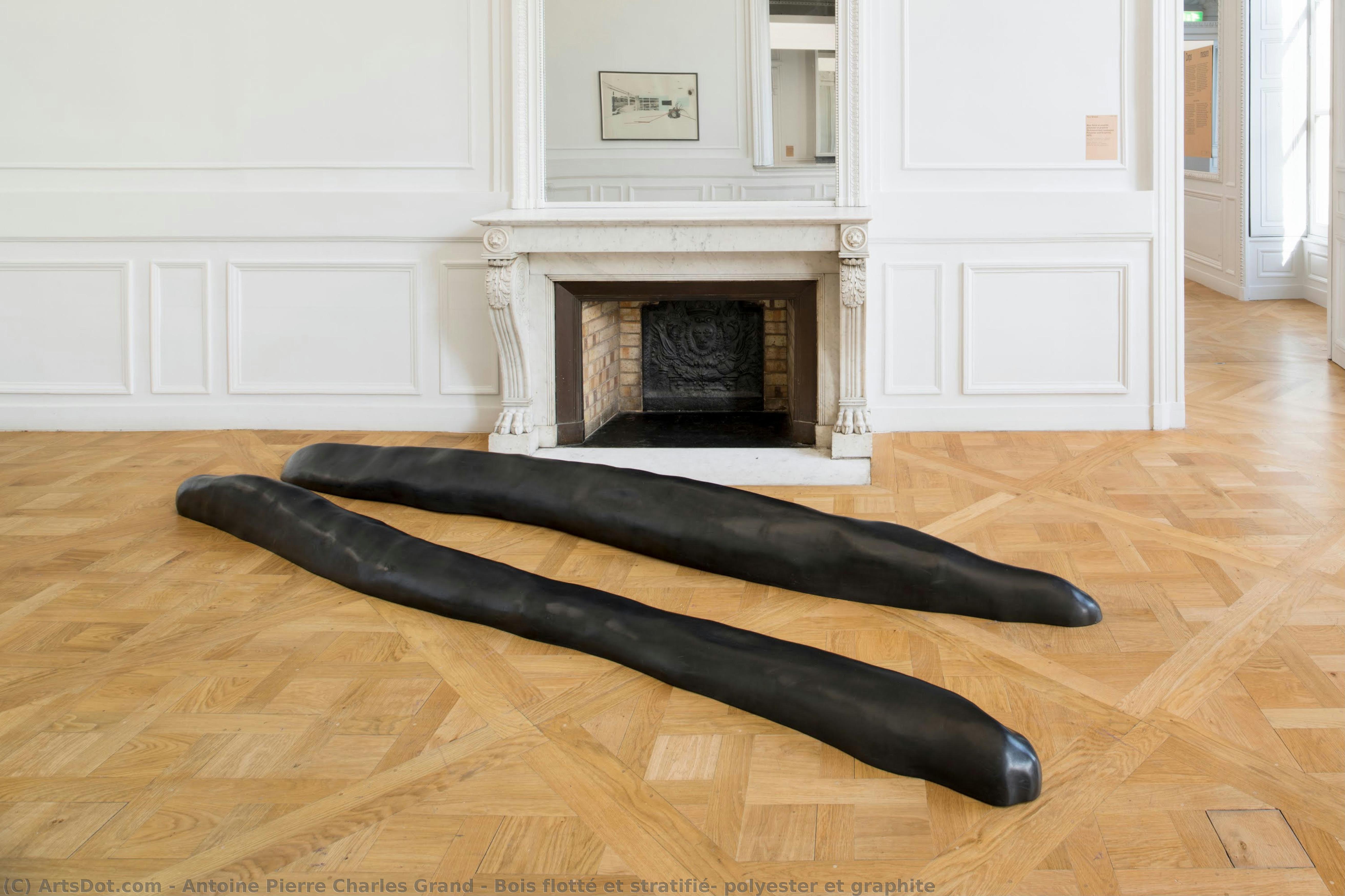
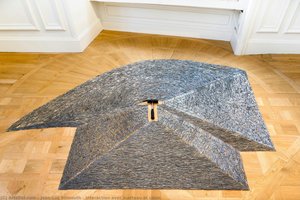
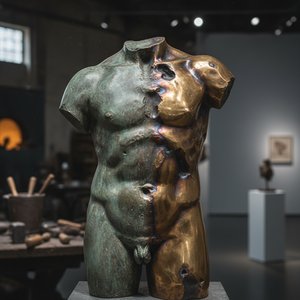
Bois flotté et stratifié, polyester et graphite


 Read More
Hand Made Oil Reproduction
Hand-painted oil on canvas in your size and frame, made to order by our artists. ( Buy Print Buy Image)




































Pick from our preset sizes that match the artwork's original proportions.

You may enter your own dimensions to fit a specific frame or space. If your selected size does not match the original image's proportions, we will either crop the artwork or extend the painting with additional hand-painted elements. A digital mockup will be sent for your approval before production begins.
Please note that the on-screen preview does not reflect the actual cropping or extension. Only the mockup will accurately show the final composition.
While custom sizes are available, we recommend selecting a dimension from the predefined list to preserve the original proportions.
After order, ArtsDot.com team will email client for instructions and provide a mockup preview
Worldwide Delivery () in 3/4 weeks instead of standard 5 weeks. (24 August). No compromise on quality.

Free Worldwide Express Shipping

High-Quality Linen Canvas

Full Shipping Insurance

Customs Tax Refund Guarantee

True Color Matching Guarantee

60-Day Return Policy (Defects Only)

100% Money-Back Guarantee

Bulk Discount Offer
 Glass option is only available in size under 110 CM

Bois flotté et stratifié, polyester et graphite
Reproduction Medium
Reproduction Size
-


Total Price
$ 263
Related Artworks


Artist Biography
James Lewis Dine: A Life Engraved in Line and Form
Born in June 1935 in Cincinnati, Ohio, James Dine’s artistic journey began not within the hallowed halls of formal education, but amidst the quiet intimacy of his maternal grandparents' basement. This early environment, fueled by a serendipitous encounter with German Expressionist woodcuts—a revelation sparked by Paul J. Sachs’ seminal book *Modern Prints and Drawings*—ignited a lifelong fascination with printmaking and fundamentally shaped his artistic approach. Dine’s work isn’t simply about representation; it's an exploration of the process itself, a deliberate engagement with materials and techniques that imbues each piece with a unique character.
His initial training was largely self-directed, honed through night classes at the Art Academy of Cincinnati while simultaneously attending Walnut Hills High School. This early immersion in printmaking—woodcuts, etching, lithography—was further enriched by mentorships under Donald Roberts at the University of Cincinnati and Ture Bengtz at the Museum of Fine Arts, Boston. These formative experiences laid the groundwork for his distinctive style, characterized by a directness and immediacy that belies its technical complexity. Dine’s early career was inextricably linked to the burgeoning scene of Happenings and performance art in New York City during the late 1950s and early 1960s, collaborating with figures like Claes Oldenburg, Allan Kaprow, and Bob Whitman at the Judson Gallery – a space that became synonymous with experimental art.
The Language of Simplicity: Dine’s Core Aesthetic
Dine's artistic philosophy centers on a radical simplification of form. He famously declared, “I want to make things that are simple,” and this principle permeates his entire body of work. This isn’t achieved through reductionism, but rather through an intentional stripping away of extraneous detail, leaving only the essential elements—a line, a shape, a gesture—to speak for themselves. His early works, particularly the *Smiling Workman* (1959), demonstrated this approach brilliantly – a simple, almost childlike depiction of a worker’s face, executed with meticulous precision and a surprising emotional resonance. This commitment to simplicity extends beyond mere aesthetics; it reflects a desire to connect directly with the viewer, bypassing intellectual analysis and appealing instead to instinct and feeling.
Dine's exploration of printmaking techniques is equally fundamental to his artistic vision. He masterfully manipulates various methods – woodcuts, etching, lithography, intaglio, screenprinting—each offering a unique set of possibilities for exploring line, texture, and surface. He doesn’t treat these processes as mere tools for reproduction; rather, he embraces them as integral components of the artwork itself, imbuing each piece with the history and physicality of its creation. The marks left by his hand are visible, deliberate, and contribute significantly to the overall impact of the work.
Expanding the Boundaries: Sculpture, Photography, and Beyond
While printmaking remains at the core of Dine’s practice, he has consistently expanded his artistic repertoire throughout his career. In the 1960s, he began experimenting with sculpture, creating simple, often geometric forms that echoed the principles of his prints. This exploration led to a fascination with the materiality of objects and their relationship to space – a theme that continues to inform his work today.
Furthermore, Dine’s engagement with photography is noteworthy. He began producing photographic portraits in the 1970s, often collaborating with friends and fellow artists. These photographs are not merely representations of individuals; they are carefully constructed narratives, imbued with a sense of intimacy and immediacy. His work also includes poetry, reflecting his ongoing interest in exploring the connections between language, image, and form.
A Legacy of Directness: Influence and Historical Significance
Jim Dine’s impact on contemporary art is profound, though often understated. He represents a crucial link between the experimental practices of the mid-20th century and the more conceptual approaches that followed. His unwavering commitment to simplicity, his embrace of traditional printmaking techniques, and his willingness to experiment with new media have established him as a significant figure in American art history.
Dine’s work continues to resonate today because it speaks directly to fundamental questions about the nature of art – its process, its materials, and its relationship to the viewer. His legacy lies not in grand gestures or revolutionary concepts, but in his quiet, persistent exploration of the possibilities inherent in line, form, and material. He reminds us that simplicity can be profoundly powerful, and that true artistry resides in the deliberate engagement with the tools and techniques at our disposal.
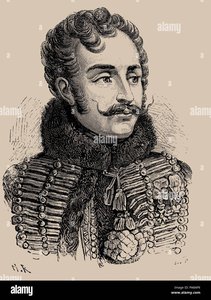
antoine pierre charles grand
1935 - 2005 , France
Quick Facts
- Artistic Movement Or Style: Happenings, Printmaking
- Artists Or Movements Influenced By This Artist:
- Kaprow
- Oldenburg
- Artists Who Influenced This Artist:
- Paul J. Sachs
- Kirchner
- Nolde
- Beckmann
- Date Of Birth: June 16, 1935
- Full Name: James Lewis Dine
- Nationality: American
- Notable Artworks:
- The Smiling Workman
- Cut Cards
- Place Of Birth: Cincinnati, Ohio, USA
Related Articles

Bronze Sculptures That Defined Art History | ArtsDot
Journey through art history with our Top 10 bronze sculptures! Explore masterpieces by Rodin, Michelangelo & more. Discover stories behind iconic statues and find museum-quality reproductions for your home decor at ArtsDot.com.

The Enduring Form: Exploring Themes & Techniques in Sculpture Across Historical Periods
Explore the rich history of sculpture from ancient masterpieces to contemporary innovations. Discover key techniques, influential artists & investment potential for discerning art collectors.

Bronze Age to Modern Masters: 10 Sculptures That Redefined Art | ArtsDot
Journey through art history with 10 legendary bronze sculptures – from Michelangelo's David to Rodin’s Thinker. Explore the stories, techniques & timeless beauty of these masterpieces. Find museum-quality reproductions & elevate your home decor on ArtsDot.com.

The Enduring Form: Sculpture Across History, Technique & Emotional Resonance
Explore the rich history of sculpture with ArtsDot. Discover key techniques, influential artists & investment potential for discerning collectors. Expert insights into valuing and collecting timeless masterpieces.
The Enduring Legacy of Bronze Sculpture: History, Techniques & Contemporary Interpretations
Explore the rich history & enduring appeal of bronze sculpture. Learn about casting techniques, iconic artists, collecting tips, & contemporary interpretations. Expert insights for discerning art collectors.