

 Preview
 Send
Send Share
Share
 Details

 Download
 Similars
 X-Ray
X-Ray Diaporama
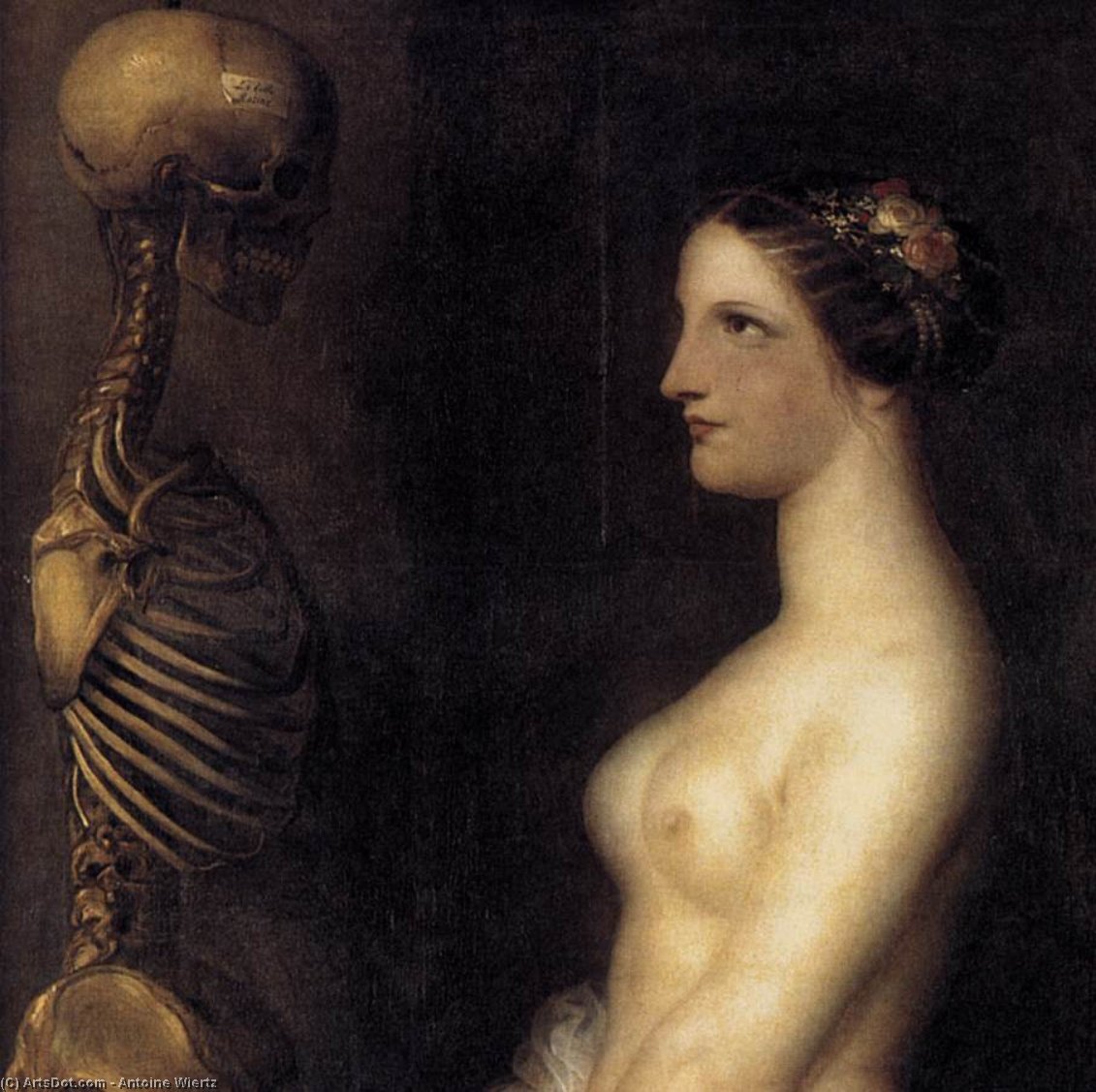
Two Young Girls or the Beautiful Rosine (detail)


 Read More
Purchase a high-resolution, enhanced digital image, far superior to the online preview.
Each file is meticulously prepared by our in-house specialists using advanced tools and expert manual retouching. We ensure every image has exceptional clarity, precise color accuracy, and fine detail.
The final file is delivered via email within 72 hours, optimized for immediate use in professional, editorial, and print environments. This is the same quality trusted by top-tier design studios, publishers, and galleries.
Digital Image
Download a high-resolution file for personal display, printing, and creative projects. ( Buy Print Buy Hand Made Painting)
Included in Every Digital Image Order
Expert Digital Delivery, Guaranteed
When you choose ArtsDot.com, you're not just getting an image - you're receiving a professionally enhanced digital artwork, crafted with precision and backed by a satisfaction guarantee. Here's everything that comes with your order, automatically:

Fast Email Delivery
Your high-resolution digital image file will be emailed to you within 72 hours of ordering - ready for immediate use.

AI-Enhanced Digital File
Your artwork is professionally optimized using advanced AI tools and manual editing, ensuring maximum detail, clarity, and color accuracy.

Free Lifetime Re-Delivery
Accidentally deleted or lost your file? No worries - we'll resend it to you anytime, free of charge.

No Import Fees - Ever
Enjoy your artwork instantly with zero customs, duties, or delivery fees - digital downloads are always tax-free.

Color Accuracy Guarantee
We ensure your digital image reflects the original colors as closely as possible using professional tools and color management.

100-Day Satisfaction Guarantee
If you're not satisfied with your digital image, we'll revise it or refund 100% within 100 days - no questions asked.

100% Money-Back Guarantee
Not satisfied? Get a full refund within 100 days of receiving your digital file - no questions asked.

Bulk Order Discounts
Buy 3 images, save 10% - Buy 5, save 15% - Buy 10+, save 20%. Great for creative projects, galleries, and agencies.
A Poignant Encounter with Mortality
In the hauntingly beautiful detail of Two Young Girls or the Beautiful Rosine, the Belgian master Antoine Wiertz invites us into a profound meditation on the human condition. This evocative oil painting serves as a striking study in contrasts, where the vibrant essence of youth meets the silent, inevitable decay of time. The composition is masterfully balanced, positioning a soft, luminous female figure against the stark, skeletal remains of a skull and bone. It is a scene that captures the viewer in a moment of quiet tension, drawing the eye through a shallow perspective that feels intensely intimate, as if we are standing mere inches from this delicate confrontation between life and death.
The artist employs a dramatic use of chiaroscuro, a technique where deep, velvety shadows clash with brilliant highlights to sculpt form and emotion. This interplay of light does more than just define the anatomy of the figure; it breathes life into the flesh while simultaneously emphasizing the hollow, structural emptiness of the skeletal elements. The lighting casts a melancholic glow over the scene, highlighting the smooth, porcelain-like skin of the subject and the subtle pink hues of the floral wreath in her hair, even as it plunges the surrounding space into an atmospheric gloom that suggests the encroaching shadows of the grave.
Symbolism and the Vanitas Tradition
Rooted deeply in the Vanitas tradition of the Renaissance and Baroque eras, this work is a visual poem about the fleeting nature of existence. Every element within the frame serves a symbolic purpose, designed to prompt reflection on the transience of earthly beauty. The juxtaposition of the supple, organic curves of the young woman with the rigid, angular geometry of the bones creates a powerful metaphor for the cycle of life. To the discerning collector or interior designer, this piece offers more than mere decoration; it provides a philosophical anchor, a conversation starter that explores themes of memory, legacy, and the inescapable passage of time.
The color palette is intentionally restrained, dominated by earthy ochres, deep browns, and creamy tones that lend the painting an antique, timeless quality. This somber tonality ensures that the emotional impact remains focused on the subject matter rather than being distracted by chromatic intensity. The meticulous brushwork, characteristic of Wiertz’s academic training, achieves a level of realism that makes the textures—from the softness of skin to the weathered surface of bone—feel almost tactile. For those seeking to curate a space with depth and intellectual weight, this reproduction brings a sense of historical gravity and soulful contemplation to any setting.
Related Artworks


Artist Biography
A Life Forged in Romantic Turmoil: Antoine Wiertz and the Spectacle of Emotion
Antoine Joseph Wiertz, born in Dinant, Belgium in 1806, was a figure perpetually wrestling with artistic recognition and societal indifference. His life unfolded against the backdrop of a rapidly changing Europe, marked by revolution, independence movements, and shifting aesthetic ideals. From humble beginnings – his father a soldier turned police brigadier, his mother a daily wage earner – Wiertz’s early talent for drawing was nurtured by Paul de Maibe, a local benefactor who recognized the spark within the young artist and secured him entry into the Antwerp Academy in 1820. This patronage proved crucial, providing not only formal training but also financial support from King William I of the Netherlands, allowing Wiertz to dedicate himself fully to his artistic pursuits. His formative years were steeped in the legacy of Flemish masters, particularly Peter Paul Rubens, whose baroque dynamism and emotional intensity would become a defining influence on Wiertz’s own style. He absorbed the lessons of the old masters during a period spent studying at the Louvre in Paris between 1829 and 1832, yet he remained critical of contemporary French art, preferring the grandeur of earlier traditions.The Pursuit of Classical Ideals and Romantic Expression
Wiertz’s ambition led him to compete for the prestigious Prix de Rome, ultimately securing it in 1832 after a previous attempt. This triumph afforded him the opportunity to study at the French Academy in Rome from 1834 to 1837, immersing himself in classical antiquity and Renaissance art. It was during this period that he began work on his monumental “Greeks and Trojans Fighting for the Body of Patroclus,” a powerful depiction of Homeric conflict completed in 1836. The painting, inspired by Book XVII of the *Iliad*, showcased Wiertz’s burgeoning talent for dramatic composition and emotionally charged figures. While it garnered some success upon its exhibition in Antwerp, his subsequent submission to the Paris Salon in 1838 was rejected due to a logistical oversight – arriving too late for consideration. This rejection foreshadowed a pattern of critical dismissal that would plague Wiertz throughout his career. A further showing at the 1839 Salon, featuring “Patroclus” alongside other works like "Madame Laetitia Bonaparte on her Deathbed" and “Christ Entombed,” was met with indifference and scathing criticism. This experience fueled a deep-seated resentment towards the Parisian art establishment, culminating in his polemical pamphlet *Bruxelles capitale, Paris province*, a defiant assertion of Belgian artistic identity against French dominance.Monumental Visions and Innovative Technique
Undeterred by critical setbacks, Wiertz continued to develop his unique artistic vision, characterized by monumental scale and an increasingly macabre sensibility. He revisited the theme of “Patroclus,” creating a second, even larger version in 1844 – a testament to his unwavering commitment to this subject matter. This period also saw the creation of "The Fall of the Rebellious Angels" (1841), a vast and chaotic canvas depicting the biblical expulsion from Heaven. The sheer size and dramatic intensity of these works were intended to overwhelm the viewer, evoking a sense of awe and terror. Wiertz’s artistic experimentation extended beyond subject matter; dissatisfied with the glossy finish of traditional oil painting, he developed a novel technique combining oil paints with turpentine and petrol on canvas. This “mat painting” method allowed for faster execution and a subdued surface quality, but ultimately proved unstable, contributing to the deterioration of some of his works over time. The death of his mother in 1844 deeply affected him, prompting a move to Brussels where he would remain for the rest of his life.Themes of Mortality, Social Commentary and Lasting Legacy
Wiertz’s later paintings often explored themes of mortality, social injustice, and human folly. Works like “Hunger, Madness and Crime” (1853), “The Reader of Novels” (1853), and “The Suicide” (1854) presented unsettling visions of societal decay and individual despair. He also continued to produce portraits, including numerous self-portraits that offer a poignant record of his aging and evolving persona. Despite the ongoing critical neglect, Wiertz remained prolific, driven by an inner compulsion to express his artistic vision. He tirelessly pursued recognition, eventually negotiating with the Belgian government to establish a museum dedicated to his work. This ambition was realized posthumously; after his death in 1865, the Belgian state purchased land and constructed a hall specifically designed to house his monumental paintings, fulfilling Wiertz’s wish that his art remain accessible to the public within his studio. His remains were even embalmed according to ancient Egyptian rites and interred in a vault in Brussels. Though often dismissed as *art pompier* – overly theatrical and academic – Wiertz's work foreshadowed elements of Symbolism and Surrealism, anticipating artistic currents that would gain prominence in the following decades. Today, his paintings stand as powerful testaments to a singular vision—a Romantic sensibility pushed to its most extreme and unsettling limits. His influence can be seen in the dramatic compositions and emotional intensity of later Belgian artists. Antoine Wiertz remains a compelling figure whose art continues to provoke and challenge viewers, inviting us to confront the darker aspects of human existence.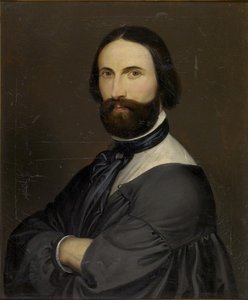
Antoine Wiertz
1806 - 1865 , Belgium
Quick Facts
- Artistic Movement Or Style: Romanticism
- Artists Or Movements Influenced By This Artist:
- Symbolism
- Surrealism
- Artists Who Influenced This Artist:
- Rubens
- Michelangelo
- Date Of Birth: 22 February 1806
- Date Of Death: 18 June 1865
- Full Name: Antoine Joseph Wiertz
- Nationality: Belgian
- Notable Artworks:
- Patroclus
- The Fall of Angels
- La Belle Rosine
- Place Of Birth: Dinan, Belgium