

 Send
Send Share
Share
 Details

 Download
 Similars
 Diaporama
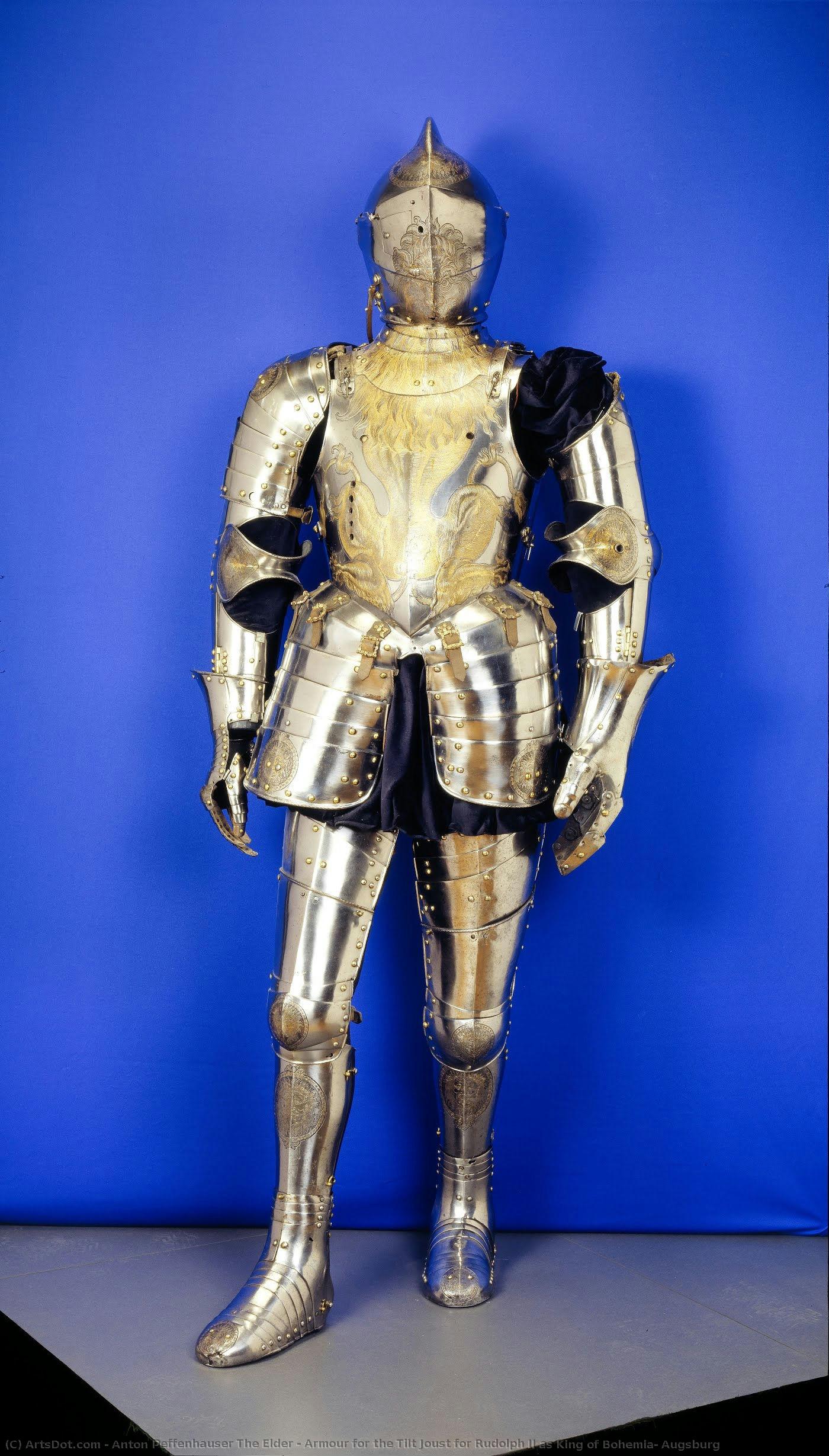
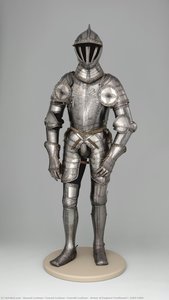
Armour for the Tilt Joust for Rudolph II as King of Bohemia, Augsburg


 Read More
Purchase a high-resolution, enhanced digital image, far superior to the online preview.
Each file is meticulously prepared by our in-house specialists using advanced tools and expert manual retouching. We ensure every image has exceptional clarity, precise color accuracy, and fine detail.
The final file is delivered via email within 72 hours, optimized for immediate use in professional, editorial, and print environments. This is the same quality trusted by top-tier design studios, publishers, and galleries.
Digital Image
Download a high-resolution file for personal display, printing, and creative projects. ( Buy Print Buy Hand Made Painting)
Included in Every Digital Image Order
Expert Digital Delivery, Guaranteed
When you choose ArtsDot.com, you're not just getting an image - you're receiving a professionally enhanced digital artwork, crafted with precision and backed by a satisfaction guarantee. Here's everything that comes with your order, automatically:

Fast Email Delivery
Your high-resolution digital image file will be emailed to you within 72 hours of ordering - ready for immediate use.

AI-Enhanced Digital File
Your artwork is professionally optimized using advanced AI tools and manual editing, ensuring maximum detail, clarity, and color accuracy.

Free Lifetime Re-Delivery
Accidentally deleted or lost your file? No worries - we'll resend it to you anytime, free of charge.

No Import Fees - Ever
Enjoy your artwork instantly with zero customs, duties, or delivery fees - digital downloads are always tax-free.

Color Accuracy Guarantee
We ensure your digital image reflects the original colors as closely as possible using professional tools and color management.

60-Day Satisfaction Guarantee
If you're not satisfied with your digital image, we'll revise it or refund 100% within 60 days - no questions asked.

100% Money-Back Guarantee
Not satisfied? Get a full refund within 60 days of receiving your digital file - no questions asked.

Bulk Order Discounts
Buy 3 images, save 10% - Buy 5, save 15% - Buy 10+, save 20%. Great for creative projects, galleries, and agencies.
The Splendor of Steel: Armour for the Tilt Joust
To gaze upon this magnificent suit of armour is to step directly into the gilded age of European aristocracy—a world where martial prowess was inextricably linked with breathtaking artistry. This piece, crafted for Rudolph II as King of Bohemia in Augsburg around 1575, transcends its function as mere protection. It is a wearable monument to status, power, and the elaborate rituals of courtly life. The very gleam captured in this depiction speaks not only of polished steel but of the immense wealth and sophisticated patronage that surrounded royalty during the late Renaissance.
A Masterwork of Augsburg Craftsmanship
The hands responsible for bringing this vision to life belonged to a master craftsman whose legacy echoes through the annals of decorative arts: Anton Peffenhauser the Elder. As an artisan rooted in the esteemed tradition of Augsburg, his skill was legendary. He was not merely an armourer; he was a sculptor who worked in metal, blending the rigorous demands of military engineering with the fluid grace of high art. Observe the intricate detailing on the breastplate and the articulation of the pauldrons—each curve and rivet speaks to Peffenhauser’s profound understanding of both metallurgy and human anatomy. The armour is designed not just for impact, but for visual spectacle, ensuring that its wearer commanded attention before a single blow was struck.
Symbolism in Steel: Power and Pageantry
The context of the tilt joust adds layers of symbolic meaning to this formidable ensemble. A joust was far more than sport; it was a highly formalized pageant where nobility displayed their lineage, martial virtue, and devotion to the crown. The armour itself becomes a potent symbol—a physical manifestation of the wearer's elevated social standing. Every polished surface reflects not just light, but the accumulated prestige of generations. For the modern collector or designer, this piece offers an unparalleled connection to historical narratives of glory and courtly drama.
Bringing Renaissance Grandeur Home
For those seeking to infuse a space with the gravitas and romance of history, reproductions of such armour serve as breathtaking focal points. Imagine this imposing beauty displayed in a grand hall or library; it instantly elevates the room's narrative. While the original served a royal purpose, its reproduction allows contemporary interiors to borrow that aura of untouchable majesty. It is an object that demands contemplation, inviting viewers to pause and admire the confluence of engineering genius and artistic flourish.
Related Artworks



Artist Biography
Anton Peffenhauser the Elder: A Master of Augsburg’s Armoury
Born in Augsburg, Germany, around 1525 and passing away in 1603, Anton Peffenhauser the Elder stands as a towering figure in the history of European armour. More than simply an armourer, he was a sculptor, a goldsmith, and a meticulous craftsman who shaped the image of power and prestige for royalty and nobility across Europe during the late 16th century. His legacy isn’t just found within the walls of museums—it resides in the exquisite detail, innovative designs, and enduring quality of his creations, which continue to inspire awe centuries later.
Peffenhauser's journey began within the esteemed Helmschmied family, a lineage renowned for its expertise in crafting helmets and armour. This foundational training instilled in him not only technical skill but also an understanding of the historical context and evolving aesthetics surrounding military equipment. However, Peffenhauser quickly distinguished himself through his artistic vision and willingness to experiment, forging a unique style that blended traditional techniques with a remarkable attention to detail and expressive ornamentation.
Collaborations and Artistic Influences
Peffenhauser’s workshop was a hub of creative exchange, most notably through his long-standing partnership with Jörg Sorg the Younger, an equally accomplished armour etcher. Their collaboration produced some of the most celebrated pieces of the era, exemplified by the intricate bas-relief armours that adorned the suits worn by figures like King Sebastian of Portugal. Sorg’s etched designs provided a crucial visual element, enhancing the three-dimensionality and narrative quality of Peffenhauser's meticulously crafted armour.
The influence of other artists also played a significant role in shaping Peffenhauser’s style. He frequently worked for prominent figures like the Prince-Electors of Saxony, the Dukes of Bavaria, and even members of the Spanish court, each demanding a level of artistry and refinement that reflected their status and wealth. The meticulous documentation found within the Stuttgarter Harnischmüsterbuch manuscript—a comprehensive inventory of armour designs from the period—provides invaluable insight into Peffenhauser’s techniques and the prevailing trends of his time.
A Style Defined by Detail and Ornamentation
Peffenhauser's armour wasn’t merely functional; it was a work of art. His pieces are characterized by an extraordinary level of detail, often incorporating elaborate bas-relief sculptures depicting mythological figures, heraldic emblems, or scenes from classical history. The use of gold leaf and precious stones further elevated the visual impact, transforming each suit into a dazzling display of wealth and power.
Unlike some of his contemporaries who favored simpler designs, Peffenhauser embraced ornamentation with gusto. His armours were frequently adorned with dynamic, flowing forms—a departure from the more rigid and geometric styles prevalent at the time. This expressive approach to design contributed significantly to the overall impact and visual appeal of his creations.
Legacy and Enduring Recognition
Anton Peffenhauser’s workshop enjoyed considerable renown throughout his lifetime, and his works continue to be celebrated today in prestigious institutions worldwide. Pieces by Peffenhauser can be found in museums such as the Metropolitan Museum of Art, the Kunsthistorisches Museum, the Dresden Armory, and the Royal Armouries, testament to their enduring quality and artistic merit.
The Royal Armoury of Madrid houses one of his most remarkable creations—a relief in armour believed to have been owned by King Sebastian of Portugal—a stunning example of Peffenhauser’s skill and artistry. His legacy extends beyond individual pieces; he fundamentally shaped the development of armor design during the 16th century, leaving an indelible mark on the history of European art and craftsmanship.
For further exploration of Anton Peffenhauser's life and work, resources such as the ArtsDot website (/en/artists/anton-peffenhauser-the-elder-en/) and Wikipedia (https://en.wikipedia.org/wiki/Anton_Peffenhauser) offer valuable insights into his life, career, and artistic achievements.
anton peffenhauser the elder
1525 - 1603 , Germany
Quick Facts
- Artistic Movement Or Style: Renaissance Armor
- Artists Or Movements Influenced By This Artist: ['Jörg Sorg the Younger']
- Artists Who Influenced This Artist: ['Helmschmied family']
- Date Of Birth: 1525
- Date Of Death: 1603
- Full Name: Anton Peffenhauser the Elder
- Nationality: German
- Notable Artworks:
- Armour for the Tilt Joust
- Elements from a Garniture
- Place Of Birth: Augsburg, Germany

