

 Preview
 Send
Send Share
Share
 Details

 Download
 Similars
 X-Ray
X-Ray Diaporama
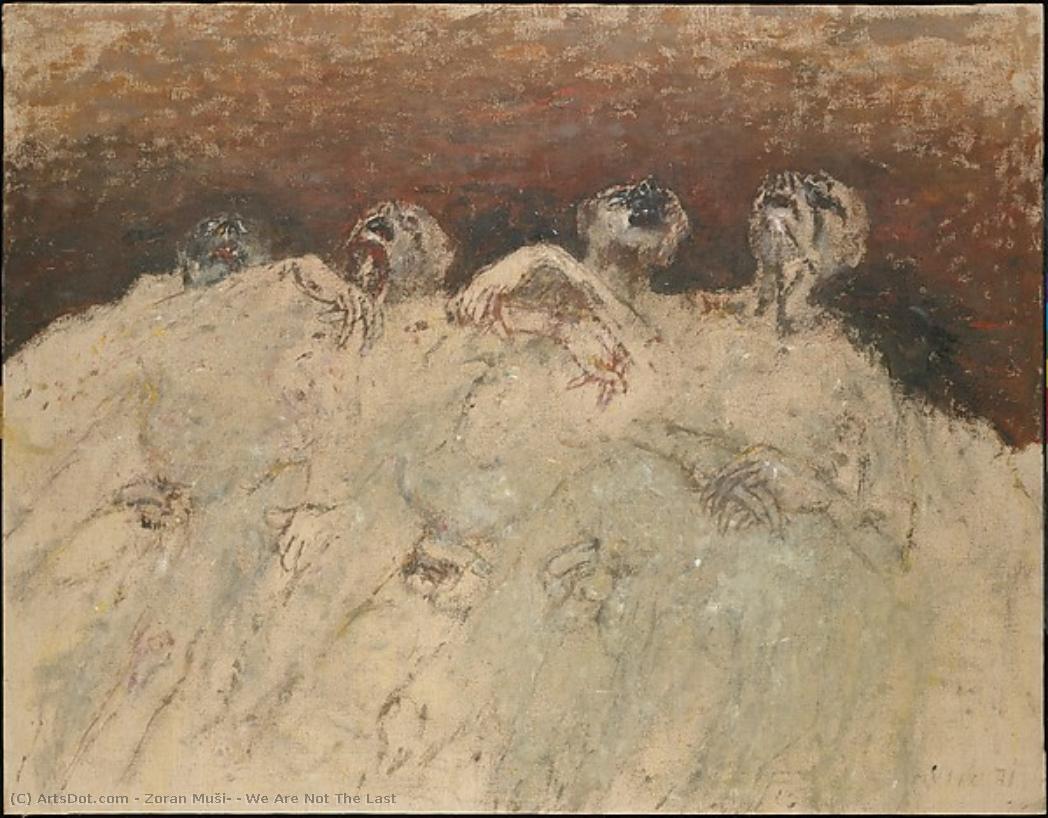
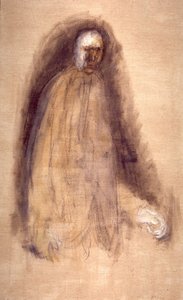
We Are Not The Last
 1971
1971 116.0 x 147.0 cm
 Read More
Giclée / Art Print
Museum-quality giclée or canvas print with fast production and flexible finish options. ( Buy Hand Made Painting Buy Image)




































Pick from our preset sizes that match the artwork's original proportions.

You may enter your own dimensions to fit a specific frame or space. If your selected size does not match the original image's proportions, we will either crop the artwork or extend the image with a mirrored or solid-fill edge. A digital mockup will be sent for your approval before production begins.
Please note that the on-screen preview does not reflect the actual cropping or extension. Only the mockup will accurately show the final composition.
While custom sizes are available, we recommend selecting a dimension from the predefined list to preserve the original proportions.
Worldwide Delivery () in 2 weeks instead of standard 4/5 weeks. (25 August)

Free Worldwide Express Shipping

High-Quality Linen Canvas

Full Shipping Insurance

Customs Tax Refund Guarantee

True Color Matching Guarantee

60-Day Return Policy (Defects Only)

100% Money-Back Guarantee

Bulk Discount Offer
 Glass option is only available in size under 110 CM

We Are Not The Last
Giclée / Art Print
Reproduction Size
-


Total Price
$ 63
Related Artworks







Artist Biography
Zoran Mušič: Life and Legacy
Early Life and Education
- Zoran Mušič (born Anton Zoran Musič) was born on February 12, 1909, in Bukovica, Slovenia.
- His parents, Anton and Marija Musič, were both teachers in the region.
- The family experienced displacement during World War I and its aftermath due to shifting political boundaries, impacting his early education. He attended schools in Styria and Zagreb.
- Mušič was multilingual, fluent in Slovene, German, Croatian, Italian, French, and Friulian.
Artistic Development and Influences
- He studied at the Academy of Fine Arts in Zagreb from 1930 to 1935.
- Early travels throughout Europe, particularly Spain in 1935, broadened his artistic horizons.
- His style evolved over time, initially influenced by realism and expressionism, later incorporating elements of abstraction.
- He was drawn to the landscapes of Dalmatia, which became a recurring theme in his work.
- While not explicitly aligned with a single movement, his work reflects aspects of 20th-century modernism.
World War II and Dachau
- During World War II, Mušič became involved with Slovene anti-fascist resistance.
- In October 1944, he was arrested by the Nazis and imprisoned in the Dachau concentration camp.
- His experiences at Dachau profoundly impacted his art. He secretly created over 180 sketches documenting the horrors of the camp, many of which survived. These drawings are considered a powerful testament to the atrocities committed during the Holocaust.
Post-War Career and Parisian Years
- After liberation in 1945, Mušič settled in Venice with his wife, Ida Cadorin Barbarigo, also a painter.
- He established himself within the Italian and French art scenes, particularly in Paris, where he lived for much of his later life.
- His subjects included landscapes, still lifes, portraits, self-portraits, and Venetian cityscapes (vedute).
- He exhibited widely throughout Europe and gained international recognition.
Major Achievements and Artistic Style
- Mušič’s unique style blends realism with expressive brushwork and a somber palette.
- His Dachau sketches are his most famous works, recognized for their raw emotional power and historical significance.
- He was the only painter of Slovene descent to achieve significant recognition in the elite cultural circles of Italy and France.
- “We Are Not The Last” is a particularly poignant example of his post-war work reflecting on trauma and survival.
Historical Significance and Legacy
- Zoran Mušič’s art serves as a powerful reminder of the horrors of war and the importance of remembering the Holocaust.
- His work transcends national boundaries, resonating with audiences worldwide through its universal themes of suffering, resilience, and hope.
- He died on May 25, 2005, leaving behind a substantial body of work that continues to be exhibited and studied today.
- His legacy lies in his ability to transform personal trauma into art with profound emotional depth and historical weight.
anton zoran musič
1909 - 2005 , Slovenia
Quick Facts
- Birth Date: 1909-02-12
- Birth Place: Bukovica, Slovenia
- Death Date: 2005-05-25
- Movement: 20th Century Art
- Name: Zoran Mušič
- Nationality: Slovene
- Notable Works: We Are Not The Last, Dachau sketches, Venice vedute


