 Preview
 Send
Send Share
Share
 Details

 Download
 Similars
 X-Ray
X-Ray Diaporama
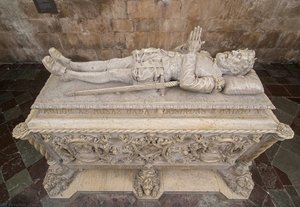
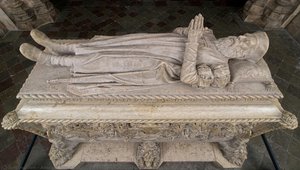
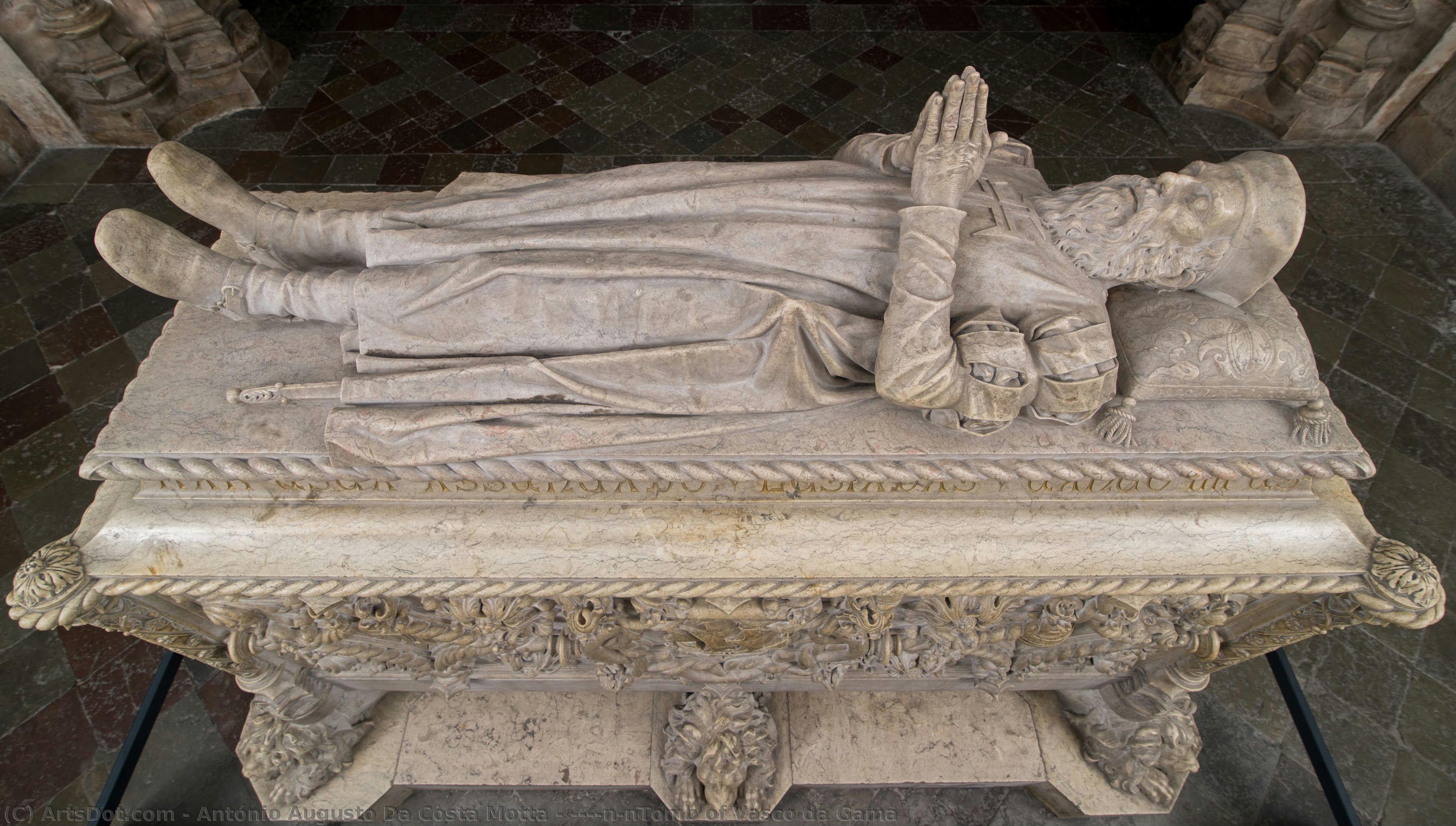
\n\nTomb of Vasco da Gama

 Read More
Hand Made Oil Reproduction
Hand-painted oil on canvas in your size and frame, made to order by our artists. ( Buy Print Buy Image)




































Pick from our preset sizes that match the artwork's original proportions.

You may enter your own dimensions to fit a specific frame or space. If your selected size does not match the original image's proportions, we will either crop the artwork or extend the painting with additional hand-painted elements. A digital mockup will be sent for your approval before production begins.
Please note that the on-screen preview does not reflect the actual cropping or extension. Only the mockup will accurately show the final composition.
While custom sizes are available, we recommend selecting a dimension from the predefined list to preserve the original proportions.
After order, ArtsDot.com team will email client for instructions and provide a mockup preview
Worldwide Delivery () in 3/4 weeks instead of standard 5 weeks. (26 August). No compromise on quality.

Free Worldwide Express Shipping

High-Quality Linen Canvas

Full Shipping Insurance

Customs Tax Refund Guarantee

True Color Matching Guarantee

60-Day Return Policy (Defects Only)

100% Money-Back Guarantee

Bulk Discount Offer
 Glass option is only available in size under 110 CM

\n\nTomb of Vasco da Gama
Reproduction Medium
Reproduction Size
-


Total Price
$ 263
Artwork Description
Related Artworks







Artist Biography
A Legacy Etched in Stone: The Life of António Augusto da Costa Motta
António Augusto da Costa Motta (1862–1930) remains a pivotal figure in the tapestry of Portuguese art history, an artist whose vision bridged the gap between classical reverence and the evocative emotionality of the late nineteenth century. Born in the scholarly atmosphere of Coimbra, Portugal, Motta was the son of a distinguished law professor, a lineage that undoubtedly nurtured his lifelong devotion to intellectual and artistic refinement. His journey into the world of fine arts led him to study under the celebrated sculptor António Manuel Braga, where he mastered the demanding complexities of Carrara marble. This rigorous academic training allowed him to channel the profound influences of masters such as Michelangelo Buonarroti and Auguste Rodin, blending a classical command of form with a modern, expressive sensibility that would define his most enduring contributions to European sculpture and funerary art.Mastery of the Monumental and the Sacred
Motta’s artistic reputation is inextricably linked to his ability to capture the solemnity of the human spirit through monumental works. He achieved significant renown for his extraordinary tomb commissions, which served as profound meditations on mortality and faith during the Belle Époque. These works were far more than mere markers of death; they were complex narratives sculpted with unparalleled precision. His talent was most notably displayed in the Jerónimos Monastery, where he executed the magnificent tombs of two of Portugal's greatest historical icons: the explorer Vasco da Gama and the epic poet Luís de Camões. In these pieces, Motta utilized a masterful command of texture and form to evoke a sense of eternal rest and national pride, ensuring that the legacies of these heroes were preserved in stone with a dignity that matched their historical stature.Sculptural Vision and Urban Presence
Beyond the quiet sanctity of mausoleums, Motta’s influence extended into the very heart of Portuguese urban life. His ability to translate historical reverence into public monuments allowed him to shape the aesthetic landscape of Lisbon. One of his most striking achievements was the design of the Statue of António Ribeiro Chiado, unveiled in 1925 in the iconic Chiado Square. This bronze monument, depicting the sixteenth-century poet in a moment of contemplative repose atop a limestone pedestal, serves as a testament to Motta's ability to breathe life into metal and stone, creating a permanent dialogue between the city's inhabitants and its literary past. His work often balanced the weight of historical tradition with an evocative, almost cinematic use of light and shadow, a technique that mirrored his engagement with the dramatic chiaroscuro found in classical painting.An Enduring Artistic Impression
The significance of António Augusto da Costa Motta lies in his unique position as a bridge between eras. While his techniques were rooted in the academic traditions of the nineteenth century, his emotional depth and ability to capture the "soul" of his subjects resonated with the changing sensibilities of the early twentieth century. His oeuvre, characterized by meticulous detail and profound emotional resonance, reflects a deep engagement with both classical ideals and the cultural identity of his homeland. Today, his works stand as enduring landmarks of Portuguese heritage, reminding us of a period when art was used to etch the most significant names of history into the very fabric of the earth, creating a legacy that remains as permanent and profound as the marble he so skillfully carved.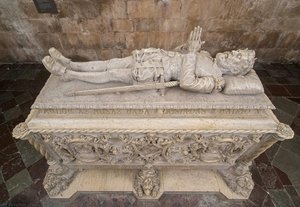
antónio augusto da costa motta
1862 - 1930 , Portugal
Quick Facts
- Artistic Movement Or Style: Sculpture
- Artists Who Influenced This Artist: ['Antonio Da Costa Motta Sobrinho']
- Date Of Death: 1930
- Full Name: Antonio Augusto da Costa Motta
- Nationality: Portuguese
- Notable Artworks:
- Tomb of Luís de Camões
- Tomb of Vasco da Gama
- Place Of Birth: Coimbra, Portugal