 Preview
 Send
Send Share
Share
 Details

 Download
 Similars
 X-Ray
X-Ray Diaporama
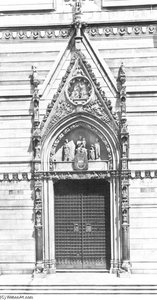
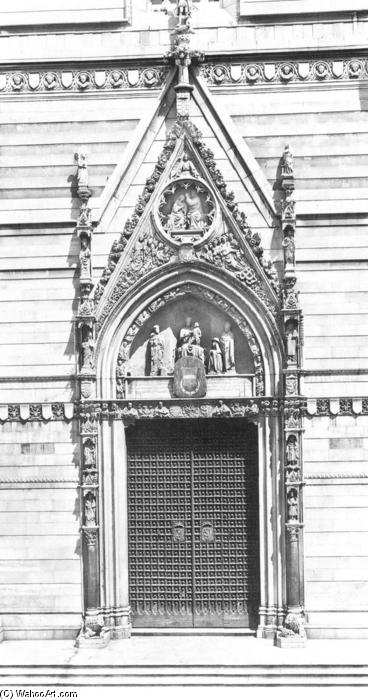
Main portal


 Read More
Giclée / Art Print
Museum-quality giclée or canvas print with fast production and flexible finish options. ( Buy Hand Made Painting Buy Image)




































Pick from our preset sizes that match the artwork's original proportions.

You may enter your own dimensions to fit a specific frame or space. If your selected size does not match the original image's proportions, we will either crop the artwork or extend the image with a mirrored or solid-fill edge. A digital mockup will be sent for your approval before production begins.
Please note that the on-screen preview does not reflect the actual cropping or extension. Only the mockup will accurately show the final composition.
While custom sizes are available, we recommend selecting a dimension from the predefined list to preserve the original proportions.
Worldwide Delivery () in 2 weeks instead of standard 4/5 weeks. (6 September)

Free Worldwide Express Shipping

High-Quality Linen Canvas

Full Shipping Insurance

Customs Tax Refund Guarantee

True Color Matching Guarantee

100-Day Return Policy (Defects Only)

100% Money-Back Guarantee

Bulk Discount Offer
 Glass option is only available in size under 110 CM

Main portal
Giclée / Art Print
Reproduction Size
-


Total Price
$ 63
Related Artworks
Artist Biography
The Sculptural Soul of Naples: The Life and Legacy of Antonio Baboccio da Piperno
In the twilight of the Middle Ages, as the rigid structures of the Gothic era began to soften under the burgeoning light of the Renaissance, there emerged a master whose hands shaped the very identity of Neapolitan grandeur. Antonio Baboccio da Piperno, born around 1351 in the quiet landscape of Pietrantonella, was far more than a mere craftsman; he was an abbot, a painter, a sculptor, and a goldsmith—a true polymath of the visual arts. While the biographical shadows surrounding his early years remain somewhat elusive, the enduring stone and pigment he left behind speak with a clarity that transcends time. His journey from the Lazio region to the vibrant, bustling heart of Naples represents not just a personal migration, and an artistic evolution that would define the aesthetic landscape of Southern Italy for decades.
The formative years of Baboccio’s life were likely steeped in the rigorous traditions of his father, Domenico, a sculptor who provided the foundational language of form and material. His early training, which some records suggest may have taken him through the influential artistic hubs of Milan, exposed him to the intricate textures of the Franco-Flemish and Rhenish styles. This exposure instilled in him a profound reverence for detail and a meticulous approach to anatomical accuracy. As he matured, his repertoire expanded through the mentorship of masters such as Masuccio Segondo and Andrea Ciccione, eventually allowing him to weave together the delicate elegance of Gothic ornamentation with a burgeoning sense of realism that would become his signature.
A Master of Marble and Metal
The year 1407 serves as a monumental turning point in Baboccio’s career, marking his arrival in Naples under the prestigious patronage of Cardinal Enrico Minutolo. This encounter was the catalyst for a period of unparalleled productivity. In the hallowed halls of the Naples Cathedral, Baboccio demonstrated his mastery over the heavy medium of marble, crafting architraves and ornate decorations that breathed life into the sacred architecture. His ability to manipulate stone was matched only by his skill in metalwork; he famously identified himself not merely as a sculptor, but as a brassfounder, a testament to his command over the transformative power of fire and ore.
His most profound contributions, however, lie in the realm of sepulchral monuments—the eternal resting places designed to immortalize the great figures of his age. These works were not merely markers of death, but grand narratives of prestige and piety:
- The Tomb of Ludovico Aldemorisco: A breathtaking achievement from 1421, where Babocci’s skill in marble relief captured a sense of profound dignity and movement.
- Ecclesiastical Commissions: His hand is visible in the decorative splendor of the churches of Pappacoda and St. Agostino alla Zecca, where his artistry served to elevate the spiritual experience of the faithful.
- The Intersection of Arts: In many of these monuments, Baboccio integrated his talents as a painter, adorning the chapels with evocative imagery that complemented the sculptural grandeur of the tombs.
An Enduring Artistic Resonance
Beyond the physical permanence of his marble reliefs, Antonio Baboccio da Piperno’s true significance lies in the lineage of talent he helped cultivate. He was a progenitor of style, fostering a school of artists that included luminaries such as Agnello del Fiore and Guglielmo Monaco. Through these disciples, his meticulous attention to detail and his ability to blend diverse European influences flowed into the next generation, helping to bridge the gap between the late Gothic period and the dawn of the Renaissance in Naples.
As we look back upon his life, which concluded around 1435, we see an artist who successfully navigated the complexities of patronage and the shifting tides of cultural influence. He transformed the rugged landscapes of Lazio and the marble quarries of Italy into a sophisticated visual language that celebrated both the divine and the aristocratic. Today, his works remain as silent, powerful witnesses to a period of immense creative transition, reminding us of a time when a single master could shape the very soul of a city through the enduring grace of stone, gold, and paint.

antonio baboccio da piperno
1351 - 1435 , Italy
Quick Facts
- Artistic Movement Or Style: Late Medieval Art
- Artists Or Movements Influenced By This Artist: ['Baroque']
- Artists Who Influenced This Artist:
- Franco-Flemish Painting
- Rhenish Painting
- Date Of Birth: ca. 1351
- Date Of Death: 1435
- Full Name: Antonio Bamboccio da Piperno
- Nationality: Italian
- Notable Artworks:
- Sarcophagus of Antonio Penna
- Monument to Margherita Durazzo
- Place Of Birth: Piperno, Italy