 Preview
 Send
Send Share
Share
 Details

 Download
 Similars
 X-Ray
X-Ray Diaporama
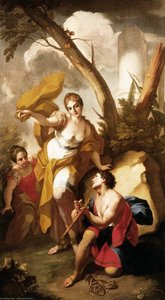
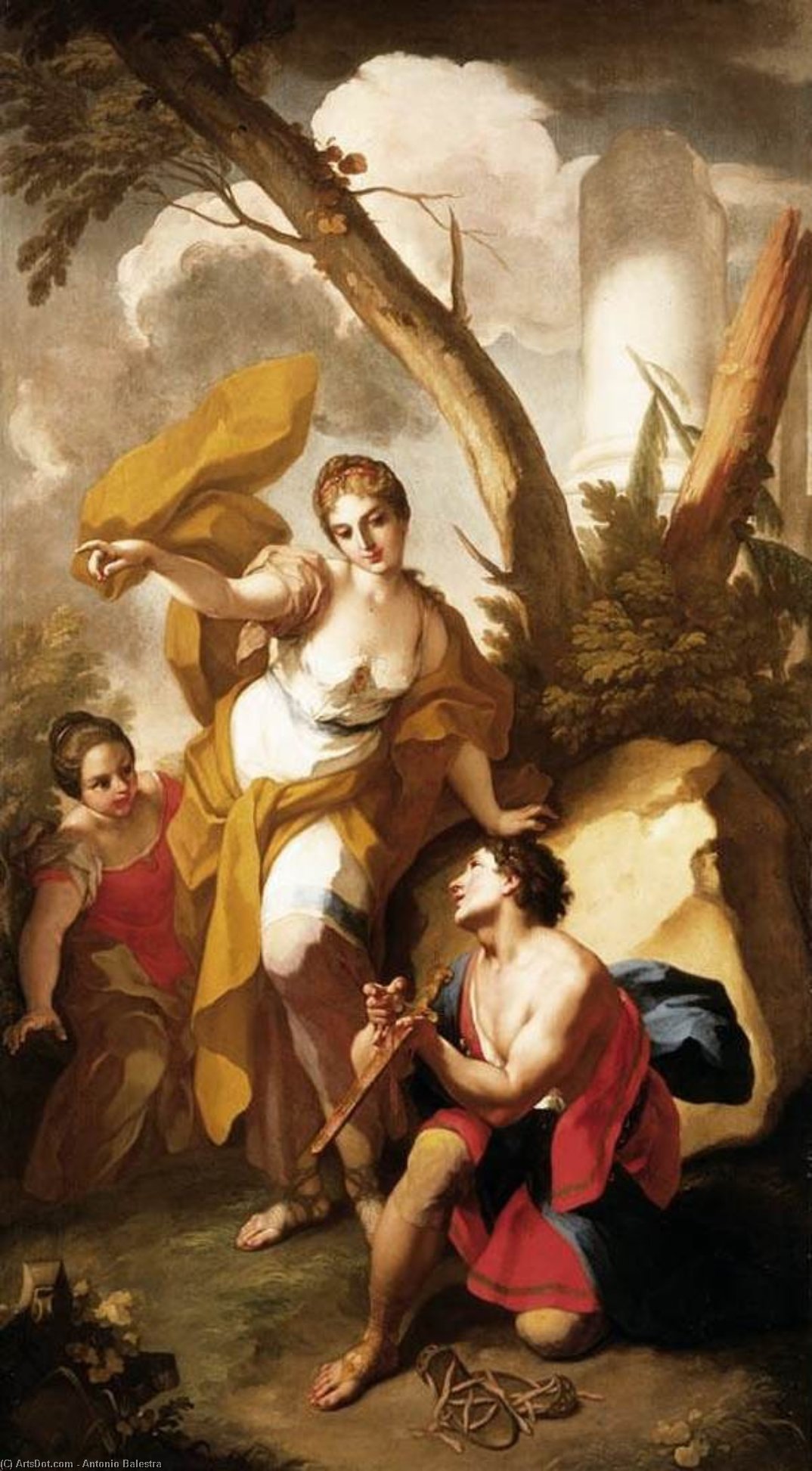
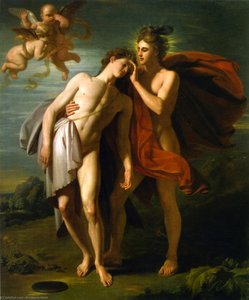
Theseus Discovering his Father's Sword
 287.0 x 159.0 cm
 Read More
Hand Made Oil Reproduction
Hand-painted oil on canvas in your size and frame, made to order by our artists. ( Buy Print Buy Image)




































Pick from our preset sizes that match the artwork's original proportions.

You may enter your own dimensions to fit a specific frame or space. If your selected size does not match the original image's proportions, we will either crop the artwork or extend the painting with additional hand-painted elements. A digital mockup will be sent for your approval before production begins.
Please note that the on-screen preview does not reflect the actual cropping or extension. Only the mockup will accurately show the final composition.
While custom sizes are available, we recommend selecting a dimension from the predefined list to preserve the original proportions.
After order, ArtsDot.com team will email client for instructions and provide a mockup preview
Worldwide Delivery () in 3/4 weeks instead of standard 5 weeks. (17 August). No compromise on quality.

Free Worldwide Express Shipping

High-Quality Linen Canvas

Full Shipping Insurance

Customs Tax Refund Guarantee

True Color Matching Guarantee

60-Day Return Policy (Defects Only)

100% Money-Back Guarantee

Bulk Discount Offer
 Glass option is only available in size under 110 CM

Theseus Discovering his Father's Sword
Reproduction Medium
Reproduction Size
-


Total Price
$ 263
Related Artworks
Artist Biography
Antonio Balestra: A Life in Rococo Art
Early Life and Training
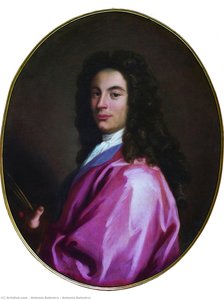
Antonio Balestra (born August 12, 1666, Verona, Italy – died April 21, 1740) was a prominent Italian painter of the Rococo period. His artistic journey began with an apprenticeship under Giovanni Zeffio in his native Verona. This foundational training provided him with early skills in drawing and painting techniques.
Artistic Development & Influences
By 1690, Balestra moved to Venice, where he further honed his skills under the guidance of Antonio Bellucci for three years. He then traveled to Bologna and subsequently Rome, working in the workshop of the renowned Carlo Maratta. This exposure to different artistic centers and masters significantly shaped his style.
- Venetian Influence: His time in Venice instilled a sense of color and dramatic composition.
- Roman Classicism: Working with Maratta exposed him to classical ideals and academic rigor.
Career & Major Works
In 1694, Balestra achieved recognition by winning a prize from the Accademia di San Luca in Rome. He subsequently worked extensively in both Verona and Venice, though his influence was arguably stronger in mainland Italy.
- Religious Commissions: He received numerous commissions for religious paintings, including works for churches such as I Gesuiti and San Zaccaria in Venice, and Sant'Ignazio in Bologna.
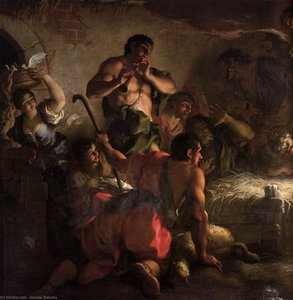
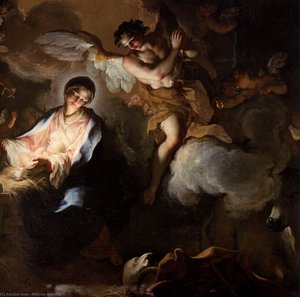
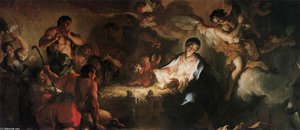
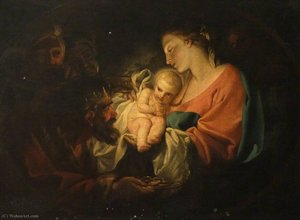
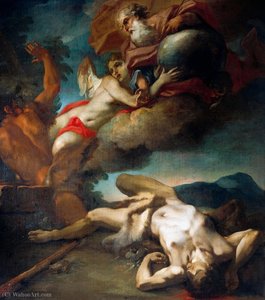
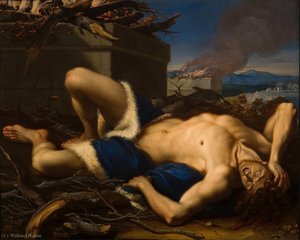
- Notable Paintings: Some of his significant works include “Adoration of the Shepherds”, “Theseus Discovering his Father’s Sword,” and “The Death of Abel”.
Pupils & Artistic Legacy
Balestra was a respected teacher, and several notable artists studied under him. His pupils included Pietro Rotari and Giambettino Cignaroli in Verona, and Pietro Longhi, along with others like Mariotti, Giuseppe Nogari, Mattia Bortoloni, and Angelo Trevisani in Venice. He also influenced a young Giambattista Pittoni.
Artistic Style & Philosophical Stance
Balestra’s painting style is characterized by its adherence to academic standards and a somewhat conservative approach within the Rococo period. He was critical of what he perceived as a decline in artistic discipline, lamenting the tendency of contemporary painters to deviate from established principles.
“All the present evil derives from the pernicious habit…of working from the imagination without having first learned how to draw after good models,” he famously stated.Historical Significance
Antonio Balestra represents a transitional figure in Italian art, bridging the Baroque and Rococo periods. While embracing elements of the Rococo’s elegance and decorative flair, he remained committed to classical ideals and academic training. His work provides valuable insight into the artistic debates and evolving tastes of 18th-century Italy.
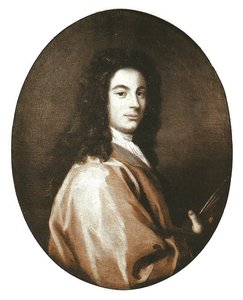
Antonio Balestra
1666 - 1740 , Italy
Quick Facts
- Birth Date: 1666-08-12
- Birth Place: Verona, Italy
- Death Date: 1740-04-21
- Influenced:
- Pietro Rotari
- Giambettino Cignaroli
- Pietro Longhi
- Mariotti
- Giuseppe Nogari
- Mattia Bortoloni
- Angelo Trevisani
- Giambattista Pittoni
- Domenico Pecchio
- Domenico Bertini
- Carlo Salis
- Influenced By: Giovanni Zeffio, Antonio Bellucci, Carlo Maratta
- Movement: Rococo
- Name: Antonio Balestra
- Nationality: Italian
- Notable Works:
- Adoration of the Shepherds
- Theseus Discovering his Father's Sword
- The Death of Abel
- Virgin and Infant, with Saints Ignatius and Stanislaus Kostka