 Preview
 Send
Send Share
Share
 Details

 Download
 Similars
 X-Ray
X-Ray Diaporama
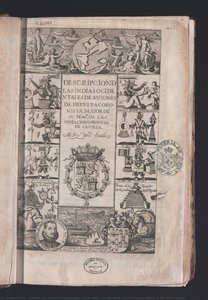
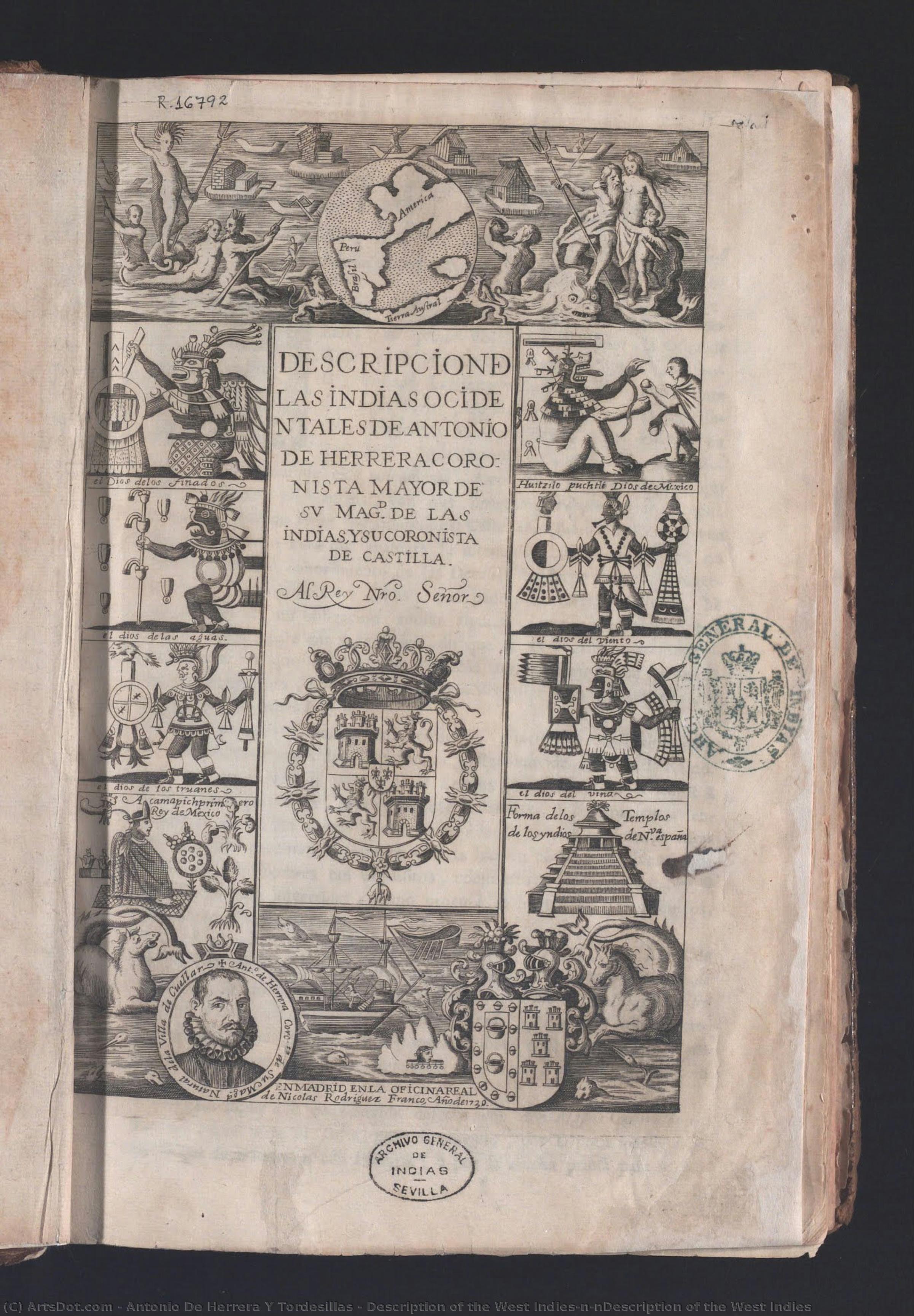
Description of the West Indies\n\nDescription of the West Indies

 Read More
Hand Made Oil Reproduction
Hand-painted oil on canvas in your size and frame, made to order by our artists. ( Buy Print Buy Image)




































Pick from our preset sizes that match the artwork's original proportions.

You may enter your own dimensions to fit a specific frame or space. If your selected size does not match the original image's proportions, we will either crop the artwork or extend the painting with additional hand-painted elements. A digital mockup will be sent for your approval before production begins.
Please note that the on-screen preview does not reflect the actual cropping or extension. Only the mockup will accurately show the final composition.
While custom sizes are available, we recommend selecting a dimension from the predefined list to preserve the original proportions.
After order, ArtsDot.com team will email client for instructions and provide a mockup preview
Worldwide Delivery () in 3/4 weeks instead of standard 5 weeks. (6 September). No compromise on quality.

Free Worldwide Express Shipping

High-Quality Linen Canvas

Full Shipping Insurance

Customs Tax Refund Guarantee

True Color Matching Guarantee

100-Day Return Policy (Defects Only)

100% Money-Back Guarantee

Bulk Discount Offer
 Glass option is only available in size under 110 CM

Description of the West Indies\n\nDescription of the West Indies
Reproduction Medium
Reproduction Size
-


Total Price
$ 263
Related Artworks




Artist Biography
Aelbrecht Bouts: A Flemish Master of the Early Netherlandish
Born around 1452 in Leuven, Belgium, and tragically dying in March 1549, Aelbrecht Bouts stands as a pivotal figure within the burgeoning world of Early Netherlandish painting. While often overshadowed by his more famous contemporaries – Jan van Eyck, Robert Campin, and Rogier van der Weyden – Bouts carved out a distinctive artistic identity, characterized by vibrant colors, dynamic compositions, and a profound emotional depth that resonated deeply with his patrons. His life story is intertwined with the evolution of Flemish art, reflecting both the influences of established masters and the emergence of a uniquely personal style.
Bouts’s lineage played a crucial role in shaping his artistic trajectory. He was the son of Dieric Bouts the Elder, a highly respected painter known for his meticulous detail and realistic depictions of religious scenes. This familial connection provided Bouts with an invaluable foundation, immersing him in the traditions of Flemish painting from an early age. However, unlike his father who largely adhered to established conventions, Aelbrecht quickly demonstrated a willingness to experiment and push boundaries. He inherited his father’s workshop in Leuven, establishing himself as an independent artist and gradually developing his own distinctive approach.
Bouts's artistic development is often traced through the evolution of his style. Initially influenced by the meticulous realism of his father and the more formal compositions of Robert Campin, Bouts soon began to incorporate bolder colors, looser brushwork, and a greater sense of movement into his paintings. This shift towards dynamism can be observed in works like “The Annunciation,” currently housed at the Cleveland Museum of Art, where the figures are depicted in active poses, conveying a palpable sense of immediacy and emotion. His use of color was particularly striking – he favored rich reds, blues, and greens, creating luminous surfaces that seemed to glow with inner light.
A Painter of Emotion and Narrative
What distinguishes Bouts from many of his contemporaries is his masterful ability to infuse his paintings with narrative complexity and emotional intensity. Unlike the often-static compositions favored by some Early Netherlandish painters, Bouts’s works are filled with dramatic gestures, expressive faces, and carefully orchestrated interactions between figures. This emphasis on storytelling reflects a growing interest in portraying human experience – not merely as representations of religious dogma but as reflections of the complexities of life itself.
His most celebrated work, “The Transfiguration,” held at the Fitzwilliam Museum in Cambridge, exemplifies this approach. The scene depicts Christ’s miraculous transformation before Peter and John, capturing a moment of profound revelation and spiritual awakening. Bouts masterfully conveys the astonishment and reverence of the onlookers through subtle shifts in expression and body language. The painting is not simply a depiction of an event; it's a powerful meditation on faith, doubt, and the mysteries of divine intervention.
Influences and Artistic Connections
Bouts’s artistic journey was shaped by a network of influences and collaborations. As a member of the Bouts family – a lineage of painters that included both Dieric Bouts the Elder and his son Dieric Bouts the Younger, as well as Aelbrecht himself – he benefited from a continuous exchange of ideas and techniques. His brother, Dieric Bouts the Younger, continued to work in a more traditional style, while Aelbrecht forged his own path, incorporating elements of both approaches into his distinctive oeuvre.
Furthermore, Bouts engaged with other prominent artists of his time, including Hans Memling, who served as his assistant for a period. The influence of these collaborations is evident in the stylistic similarities between Bouts’s works and those of his contemporaries. However, Bouts always maintained a unique artistic voice, characterized by his bold colors, dynamic compositions, and profound emotional depth.
Legacy and Historical Significance
Despite his relatively modest recognition during his lifetime, Aelbrecht Bouts has since been recognized as one of the most important figures in Early Netherlandish painting. His innovative approach to composition, color, and narrative continues to fascinate art historians and viewers alike. His work stands as a testament to the dynamism and creativity of Flemish art during a period of profound cultural transformation.
Bouts’s paintings are now housed in prestigious museums around the world – including the Cleveland Museum of Art, the Fitzwilliam Museum, and the Royal Museums of Fine Arts of Belgium – ensuring that his artistic legacy will endure for generations to come. His ability to capture the essence of human emotion and to imbue his paintings with a sense of dramatic immediacy remains a testament to his skill as a painter and his profound understanding of the power of art.

antonio de herrera y tordesillas
1549 - 1626 , Spain
Quick Facts
- Artistic Movement Or Style: Renaissance, Early Netherlandish
- Artists Or Movements Influenced By This Artist: ['Leandro Bassano']
- Artists Who Influenced This Artist:
- Jacopo Bassano
- Bartolommeo Ramenghi
- Date Of Birth: 26 January 1549
- Date Of Death: 4 July 1592
- Full Name: Francesco Bassano the Younger
- Nationality: Italian
- Notable Artworks:
- The Giving of the Keys
- Portrait of Ranuccio Farnese
- Place Of Birth: Bassano del Grappa, Italy