

 Send
Send Share
Share
 Details

 Download
 Similars
 Diaporama
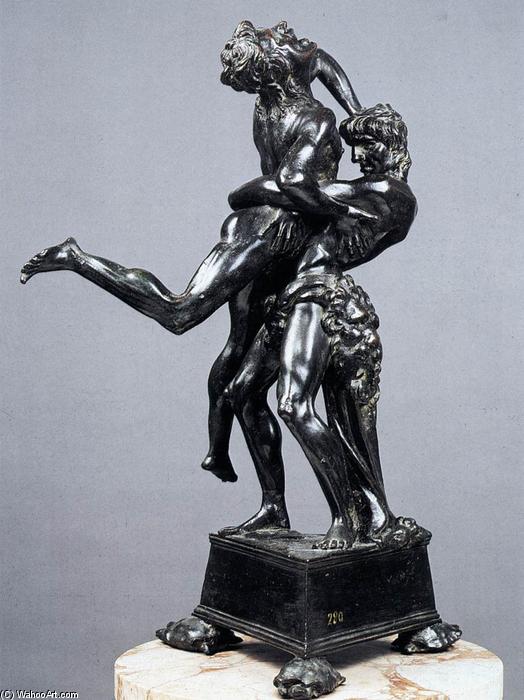
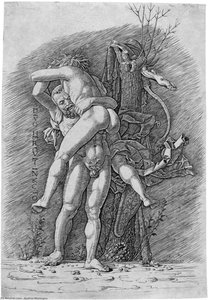
Hercules and Anteus


 Read More
Purchase a high-resolution, enhanced digital image, far superior to the online preview.
Each file is meticulously prepared by our in-house specialists using advanced tools and expert manual retouching. We ensure every image has exceptional clarity, precise color accuracy, and fine detail.
The final file is delivered via email within 72 hours, optimized for immediate use in professional, editorial, and print environments. This is the same quality trusted by top-tier design studios, publishers, and galleries.
Digital Image
Download a high-resolution file for personal display, printing, and creative projects. ( Buy Print Buy Hand Made Painting)
Included in Every Digital Image Order
Expert Digital Delivery, Guaranteed
When you choose ArtsDot.com, you're not just getting an image - you're receiving a professionally enhanced digital artwork, crafted with precision and backed by a satisfaction guarantee. Here's everything that comes with your order, automatically:

Fast Email Delivery
Your high-resolution digital image file will be emailed to you within 72 hours of ordering - ready for immediate use.

AI-Enhanced Digital File
Your artwork is professionally optimized using advanced AI tools and manual editing, ensuring maximum detail, clarity, and color accuracy.

Free Lifetime Re-Delivery
Accidentally deleted or lost your file? No worries - we'll resend it to you anytime, free of charge.

No Import Fees - Ever
Enjoy your artwork instantly with zero customs, duties, or delivery fees - digital downloads are always tax-free.

Color Accuracy Guarantee
We ensure your digital image reflects the original colors as closely as possible using professional tools and color management.

60-Day Satisfaction Guarantee
If you're not satisfied with your digital image, we'll revise it or refund 100% within 60 days - no questions asked.

100% Money-Back Guarantee
Not satisfied? Get a full refund within 60 days of receiving your digital file - no questions asked.

Bulk Order Discounts
Buy 3 images, save 10% - Buy 5, save 15% - Buy 10+, save 20%. Great for creative projects, galleries, and agencies.
Collectible Description
The Raw Power of Myth: Antonio del Pollaiuolo’s “Hercules and Anteus”
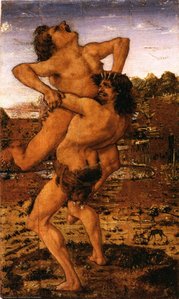
Antonio del Pollaiuolo's "Hercules and Anteus," painted around 1460, is not merely a depiction of a legendary struggle; it’s a visceral embodiment of human strength against primal force. This small yet intensely dramatic panel, housed within the Uffizi Gallery in Florence, offers a captivating glimpse into the artist’s mastery of movement, anatomy, and the potent symbolism that defined Renaissance art. The scene unfolds with brutal immediacy: Hercules, his musculature sculpted with remarkable realism, grapples with Anteus, a monstrous giant whose form is rendered with a deliberate roughness, suggesting both his immense size and the inherent instability of his power.
The painting’s style firmly places it within the Florentine Renaissance tradition, yet del Pollaiuolo departs from purely idealized representations. He doesn't shy away from the grim reality of combat; blood is implied, muscles strain under exertion, and both figures are caught in a moment of desperate struggle. This departure from polished perfection speaks to a fascination with the dynamism of life and action – a hallmark of his work, often compared to that of his brother, Piero del Pollaiolo. The composition itself is carefully constructed; Hercules dominates the left side, radiating controlled power, while Anteus, positioned on the right, appears to be collapsing under the weight of the hero’s relentless assault. The diagonal thrust created by their intertwined forms draws the viewer's eye directly into the heart of the conflict.
A Masterclass in Technique and Material
Del Pollaiuolo’s technical skill is immediately apparent in the meticulous rendering of both figures. The bronze-like quality of Hercules’ skin, achieved through careful layering of egg tempera paint, creates a remarkable sense of texture and volume. The artist's deep understanding of anatomy is evident in every sinew and vein, reflecting his training as a goldsmith – a profession that demanded an intimate knowledge of form and detail. Anteus, conversely, is painted with a looser, more expressive brushstroke, emphasizing his monstrous nature and the chaotic energy of his struggle. The use of contrasting textures—the smooth sheen of Hercules’ skin against the rougher surface of Anteus—further enhances the visual drama.
The panel itself, likely constructed from wood, provides a sturdy foundation for this dynamic scene. The pedestal, rendered in dark tones, serves not only as a base but also as a framing device, isolating the figures and intensifying their confrontation. The choice of materials—bronze-like paint on a wooden panel—suggests a deliberate attempt to evoke the appearance of sculpture, further emphasizing the monumental nature of the subject matter.
Myth, Power, and Human Endeavor
The myth of Hercules and Anteus is rich with symbolic meaning. Anteus, born from the sea foam, represents primal chaos and untamed strength – a force that threatens to overwhelm humanity. Hercules, on the other hand, embodies human ingenuity, courage, and the ability to conquer adversity. The struggle between them isn’t simply a physical contest; it's a representation of the eternal battle between order and disorder, reason and instinct.
Del Pollaiuolo masterfully captures this symbolic tension. Hercules’ determined expression and unwavering grip suggest his commitment to overcoming chaos, while Anteus’ desperate struggles hint at the futility of resisting human will. The scene ultimately celebrates the triumph of human effort over brute force – a powerful message that resonated deeply within the context of Renaissance Florence, a city striving for civic strength and artistic innovation.
A Legacy of Dynamic Form
“Hercules and Anteus” stands as a testament to Antonio del Pollaiuolo’s exceptional talent and his profound understanding of both classical mythology and Renaissance aesthetics. The painting's raw energy, anatomical precision, and symbolic depth continue to captivate viewers centuries after its creation. It is a poignant reminder of the enduring power of myth to illuminate fundamental aspects of the human condition – our capacity for strength, our vulnerability to chaos, and our relentless pursuit of mastery over both ourselves and the world around us. Reproductions of this compelling artwork offer a chance to bring this dynamic narrative into any space, serving as a constant source of inspiration and contemplation.
Related Artworks

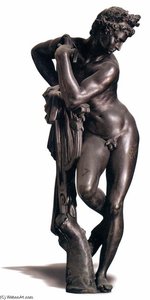
Artist Biography
A Florentine Master of Movement and Form
Antonio del Pollaiuolo, a name resonating with the dynamism of the Italian Renaissance, emerged in Florence around 1429 as a pivotal figure who redefined artistic expression. Born into a family whose trade – “pollaiuolo” meaning hen coop – belied the soaring heights his artistry would reach, Antonio’s journey began not with brush and canvas, but with the meticulous craft of goldsmithing and metalworking. This early immersion in intricate detail and precise execution profoundly shaped his later endeavors, instilling a dedication to anatomical accuracy and technical mastery that became hallmarks of his style. He wasn't merely an artist; he was a craftsman who seamlessly blended skill with innovation, leaving an indelible mark on Florentine art. His father’s workshop, likely under the tutelage of Bartoluccio di Michele and influenced by Lorenzo Ghiberti, provided the foundational training that would propel him toward artistic greatness.Collaboration and Anatomical Inquiry
The initial stages of Pollaiuolo's career were inextricably linked with his brother, Piero del Pollaiuolo. Their collaborative spirit fostered a shared aesthetic characterized by a fascination with classical antiquity and an unwavering commitment to understanding the human form. Distinguishing individual contributions within their joint works often proves challenging, yet it’s clear that both brothers possessed a relentless curiosity about anatomy. Legend has it they even engaged in dissections – a daring practice for the time – to deepen their comprehension of musculature and skeletal structure. This dedication to realism wasn't simply academic; it fueled their ability to depict figures with unprecedented dynamism and expressive power. Their combined studio became a crucible where classical ideals were forged anew, infused with a distinctly Renaissance sensibility. The influence of early masters like Andrea del Castagno is also evident in their work, providing a bridge between the traditions of the past and the burgeoning innovations of the era.Sculpture, Painting, and the Birth of Engraving
Antonio del Pollaiuolo’s artistic output spanned diverse media, each showcasing his unique vision. While celebrated as a painter, he achieved particular renown for his sculptures and engravings. His works frequently depict heroic narratives, often centered around figures from classical mythology like Hercules, embodying strength, struggle, and triumph. The addition of the infant Romulus and Remus to an existing bronze she-wolf sculpture stands as a testament to his skill in metalwork, demonstrating both technical prowess and artistic sensitivity. However, it was in the realm of engraving that Pollaiuolo truly revolutionized Italian art. His Battle of the Nudes (circa 1465–1475) wasn’t merely an image; it was a groundbreaking exploration of form, composition, and expressive potential. This print, celebrated for its dynamic energy, anatomical precision, and dramatic interplay of light and shadow, significantly advanced engraving techniques and profoundly influenced artists like Albrecht Dürer. His paintings, such as the striking Saint Sebastian (1473-1475), are known for their brutal realism, while his female portraits exude a calmness and meticulous attention to detail in fashion.Roman Commissions and Lasting Legacy
In 1484, Pollaiuolo accepted a prestigious commission that led him to Rome, where he embarked on the monumental task of creating the tomb of Pope Sixtus IV – a project completed in 1493. This undertaking showcased his ability to translate artistic vision into large-scale sculptural form, solidifying his reputation as one of Italy’s leading artists. He later returned to Florence to oversee work on the sacristy of Santo Spirito before ultimately passing away in Rome in 1498. His death marked the end of an era, but his influence continued to resonate through generations of artists. Among his pupils was Sandro Botticelli, who absorbed Pollaiuolo’s emphasis on anatomical accuracy and dynamic composition. The tombs of Sixtus IV and Innocent VIII stand as enduring monuments to his skill, while his innovative engravings continue to inspire awe and admiration. Antonio del Pollaiuolo's contributions were significant; he wasn’t just a painter or sculptor but a true Renaissance polymath who redefined the possibilities of artistic expression.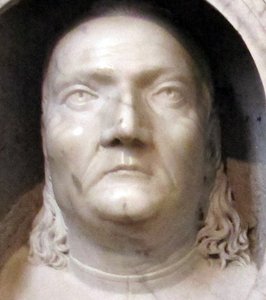
Antonio del Pollaiuolo
1429 - 1498 , Italy
Quick Facts
- Artistic Movement Or Style: Renaissance
- Artists Or Movements Influenced By This Artist:
- Sandro Botticelli
- Albrecht Dürer
- Artists Who Influenced This Artist:
- Bartoluccio di Michele
- Lorenzo Ghiberti
- Date Of Birth: 1429
- Date Of Death: 1498
- Full Name: Antonio del Pollaiuolo
- Nationality: Italian
- Notable Artworks:
- Saint Sebastian
- Monument of Sixtus IV
- David Victorious
- Battle of the Nudes
- Place Of Birth: Florence, Italy

