 Preview
 Send
Send Share
Share
 Details

 Download
 Similars
 X-Ray
X-Ray Diaporama
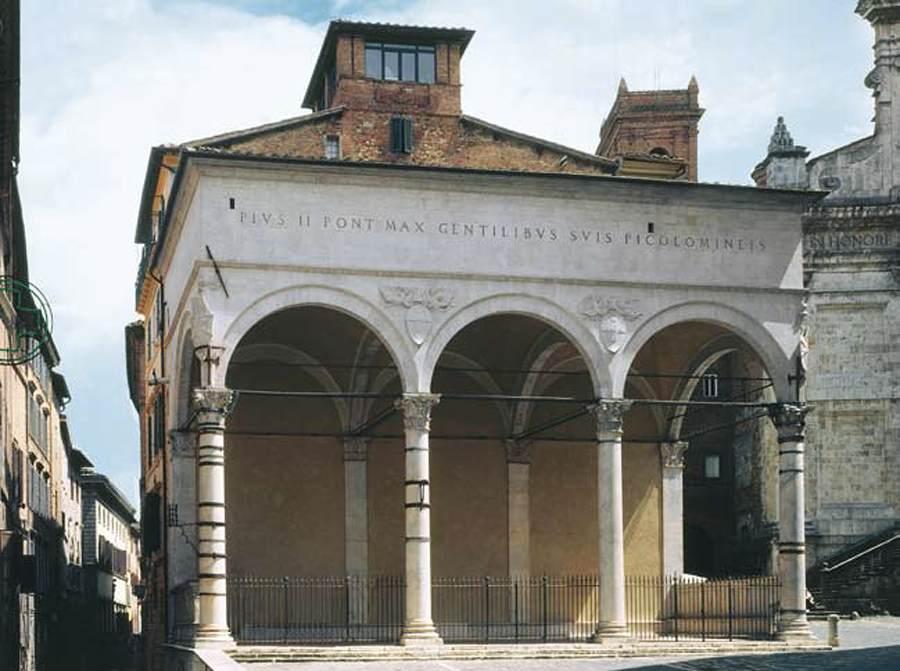
Loggia del Papa

 Read More
Hand Made Oil Reproduction
Hand-painted oil on canvas in your size and frame, made to order by our artists. ( Buy Print Buy Image)




































Pick from our preset sizes that match the artwork's original proportions.

You may enter your own dimensions to fit a specific frame or space. If your selected size does not match the original image's proportions, we will either crop the artwork or extend the painting with additional hand-painted elements. A digital mockup will be sent for your approval before production begins.
Please note that the on-screen preview does not reflect the actual cropping or extension. Only the mockup will accurately show the final composition.
While custom sizes are available, we recommend selecting a dimension from the predefined list to preserve the original proportions.
After order, ArtsDot.com team will email client for instructions and provide a mockup preview
Worldwide Delivery () in 3/4 weeks instead of standard 5 weeks. (25 August). No compromise on quality.

Free Worldwide Express Shipping

High-Quality Linen Canvas

Full Shipping Insurance

Customs Tax Refund Guarantee

True Color Matching Guarantee

60-Day Return Policy (Defects Only)

100% Money-Back Guarantee

Bulk Discount Offer
 Glass option is only available in size under 110 CM

Loggia del Papa
Reproduction Medium
Reproduction Size
-


Total Price
$ 263
Related Artworks





Artist Biography
Antonio Federighi: Reintroducing Antiquity into Sienese Renaissance Art
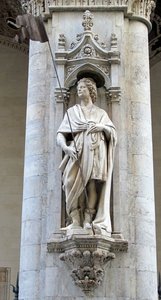
Born in Siena around 1420 and tragically passing away in 1483, Antonio Federighi stands as a pivotal figure within the vibrant artistic landscape of the Italian Renaissance. More than simply an architect or sculptor, he was a revolutionary who subtly yet profoundly reshaped Sienese art by skillfully blending classical influences with the burgeoning humanist ideals of his time. His career, primarily centered in Siena, witnessed him rise through the ranks of the Duomo workshop, ultimately becoming Capomaestro – master craftsman and chief designer – for both the Cathedral of Siena and the Cathedral of Orvieto, leaving an indelible mark on the city’s architectural and sculptural heritage.
Federighi's early career was inextricably linked to Jacopo della Quercia, a renowned sculptor who served as his mentor at the Duomo of Siena. This formative period instilled in him a deep understanding of traditional techniques while simultaneously exposing him to the evolving artistic currents circulating throughout Italy. In 1448, he ascended to the role of Capomaestro dell’Opera del Duomo, taking on responsibility for overseeing all artistic endeavors within the cathedral complex – a position that afforded him unparalleled influence and creative freedom. This leadership role allowed him to implement his distinctive vision, one characterized by a renewed interest in classical antiquity.
A Sculptor's Vision: Marble Intarsio and Pagan Imagery
Federighi’s most enduring legacy lies in his masterful manipulation of marble intarsio – intricate mosaic-like designs created from carefully fitted pieces of colored stone. Unlike the predominantly Christian iconography prevalent at the time, Federighi began to incorporate elements drawn from classical mythology and pagan themes into his work. This wasn't a wholesale abandonment of religious subjects; rather, it represented a sophisticated layering of influences, suggesting a deeper engagement with the broader intellectual world. The most striking example of this is undoubtedly the Erythraean Sibyl, a monumental marble intarsio panel installed in the Siena Cathedral’s ambulatory around 1482. This figure, representing a prophetess from Greek mythology, embodies Federighi's innovative approach – a powerful and visually arresting depiction that challenged conventional artistic norms.
The deliberate inclusion of pagan imagery wasn’t merely decorative; it reflected a broader humanist interest in the classical world, fueled by rediscovered texts and archaeological finds. Federighi’s work demonstrated a desire to connect with the wisdom and beauty of antiquity, suggesting a belief that these ancient traditions held valuable insights for contemporary society. This approach was considered somewhat controversial at the time, but ultimately contributed to the richness and complexity of Sienese Renaissance art.
Architectural Achievements: Palazzo delle Papesse and Loggia del Papa
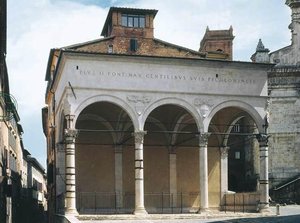
Beyond his sculptural contributions, Federighi’s architectural designs significantly shaped the urban fabric of Siena. He was responsible for several key projects, including the Palazzo delle Papesse (1462–63), a magnificent palace commissioned by the Papal legate, Giovanni Sandiego. The building's design showcases Federighi’s mastery of proportion and detail, incorporating classical elements such as columns and pilasters. Nearby, he designed the Loggia del Papa (Papal Loggia), a stunning example of Sienese civic architecture that further solidified his reputation as a leading architect.
Furthermore, there is speculation that Federighi may have contributed to the design of Santa Maria delle Nevi, though definitive proof remains elusive. His influence extended beyond these prominent structures, shaping the aesthetic character of numerous churches and public buildings throughout Siena.
Legacy and Influence
Antonio Federighi’s impact on Sienese art is profound and multifaceted. He revitalized the city's artistic scene by introducing a renewed appreciation for classical antiquity, pushing beyond the purely Gothic traditions that had dominated the region for centuries. His innovative use of marble intarsio, coupled with his architectural designs, established him as a key figure in the development of Quattrocento art – the Italian Renaissance period. Federighi’s work served as an inspiration for subsequent generations of artists and architects, demonstrating the power of artistic experimentation and intellectual curiosity. He is remembered not just as a skilled craftsman but as a visionary who helped to shape the cultural identity of Siena and contribute significantly to the broader trajectory of the Italian Renaissance.
Antonio Federighi
1420 - 1483 , Italy
Quick Facts
- Artistic Movement Or Style: Renaissance
- Artists Or Movements Influenced By This Artist: ['Sienese Quattrocento']
- Artists Who Influenced This Artist: ['Jacopo della Quercia']
- Date Of Birth: c. 1420
- Date Of Death: 1483
- Full Name: Antonio Federighi
- Nationality: Italian
- Notable Artworks:
- Erythraean Sibyl
- Palazzo delle Papesse
- Loggia del Papa
- Place Of Birth: Siena, Italy