

 Preview
 Send
Send Share
Share
 Details

 Download
 Similars
 X-Ray
X-Ray Diaporama
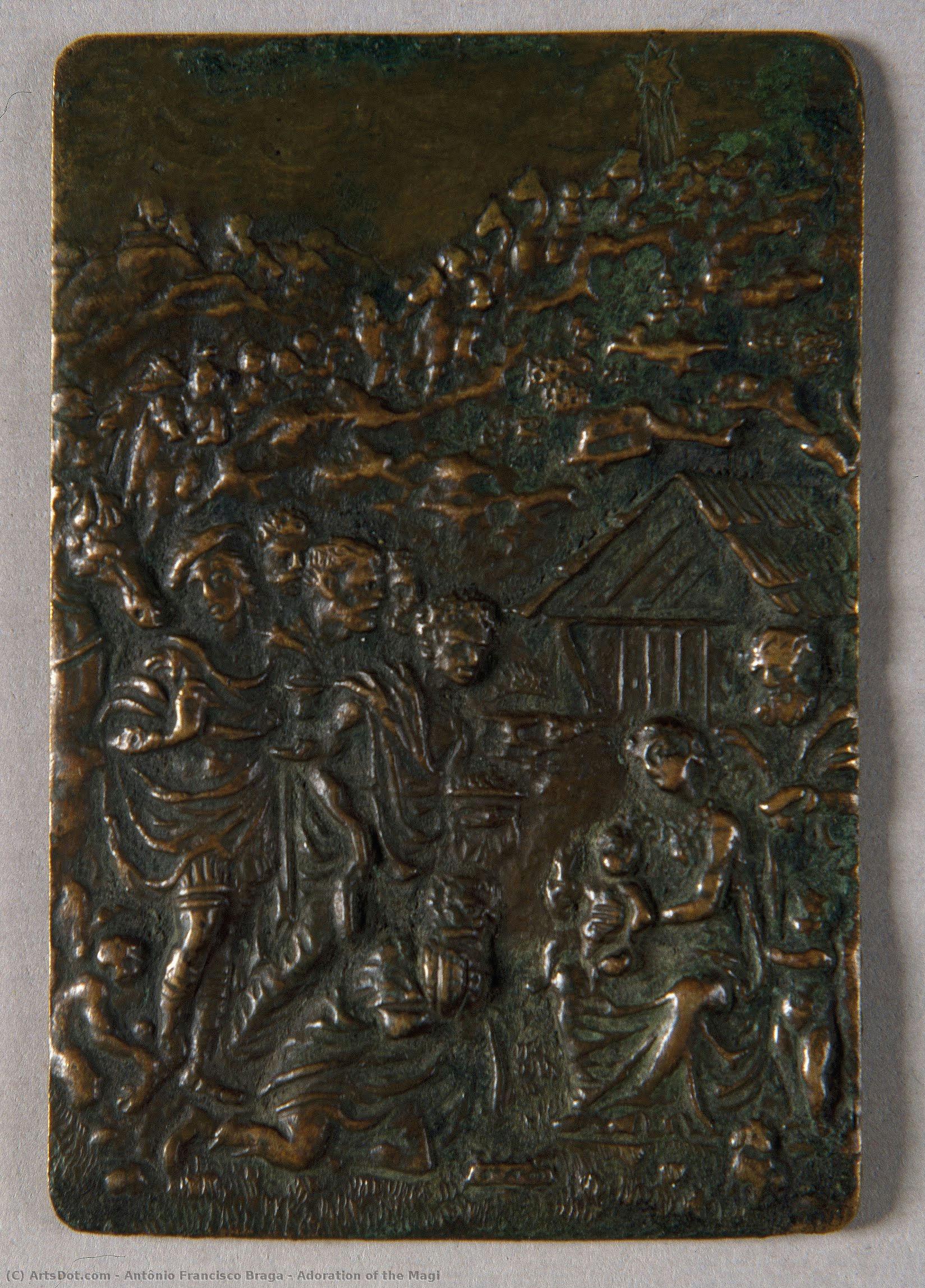
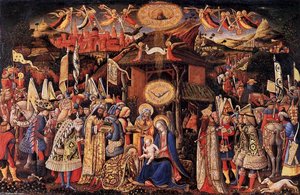
Adoration of the Magi
 Acrylic On Canvas
- WallArt
- Brazilian Nationalism
 1500
1500 9.0 x 6.0 cm
 Kunsthalle Bremen
 Read More
Purchase a high-resolution, enhanced digital image, far superior to the online preview.
Each file is meticulously prepared by our in-house specialists using advanced tools and expert manual retouching. We ensure every image has exceptional clarity, precise color accuracy, and fine detail.
The final file is delivered via email within 72 hours, optimized for immediate use in professional, editorial, and print environments. This is the same quality trusted by top-tier design studios, publishers, and galleries.
Digital Image
Download a high-resolution file for personal display, printing, and creative projects. ( Buy Print Buy Hand Made Painting)
Included in Every Digital Image Order
Expert Digital Delivery, Guaranteed
When you choose ArtsDot.com, you're not just getting an image - you're receiving a professionally enhanced digital artwork, crafted with precision and backed by a satisfaction guarantee. Here's everything that comes with your order, automatically:

Fast Email Delivery
Your high-resolution digital image file will be emailed to you within 72 hours of ordering - ready for immediate use.

AI-Enhanced Digital File
Your artwork is professionally optimized using advanced AI tools and manual editing, ensuring maximum detail, clarity, and color accuracy.

Free Lifetime Re-Delivery
Accidentally deleted or lost your file? No worries - we'll resend it to you anytime, free of charge.

No Import Fees - Ever
Enjoy your artwork instantly with zero customs, duties, or delivery fees - digital downloads are always tax-free.

Color Accuracy Guarantee
We ensure your digital image reflects the original colors as closely as possible using professional tools and color management.

60-Day Satisfaction Guarantee
If you're not satisfied with your digital image, we'll revise it or refund 100% within 60 days - no questions asked.

100% Money-Back Guarantee
Not satisfied? Get a full refund within 60 days of receiving your digital file - no questions asked.

Bulk Order Discounts
Buy 3 images, save 10% - Buy 5, save 15% - Buy 10+, save 20%. Great for creative projects, galleries, and agencies.
Collectible Description
Adoration of the Magi – Antônio Francisco Braga
This small bronze plaque, dating back to 1500, encapsulates a pivotal moment in Christian iconography—the Adoration of the Magi. Attributed to Galeazzo Mondella (Moderno), this artwork offers a glimpse into the artistic fervor of Renaissance Veneto and Lombardy, where it served as both decorative object and symbol of humanist scholarship. Its meticulous craftsmanship speaks volumes about the values of its time: reverence for faith, intellectual curiosity, and an appreciation for beauty.A Window Into Venetian Art
The plaque’s genesis lies in a broader artistic movement—the zenith of Venetian art during the mid-15th century. Unlike more elaborate medallions, plaques were designed primarily for display on walls or furniture, reflecting the tastes of wealthy patrons and intellectuals who sought to adorn their homes with objects imbued with meaning. The Bremen plaque exemplifies this trend, showcasing a masterful blend of artistic skill and symbolic representation—a hallmark of humanist culture’s preoccupation with elevating human experience through art.Composition and Technique: Detail Matters
The scene depicts Joseph, Mary, and the infant Jesus at the center, bathed in the ethereal glow of Bethlehem's star. Three Magi – representing kings from Persia, Babylon, and Arabia – approach from the left, bearing gifts of gold, frankincense, and myrrh—symbols laden with theological significance. Their entourage is depicted on horseback, emphasizing the grandeur of pilgrimage and divine revelation. The artist skillfully employs bronze as his medium, achieving remarkable textural detail and capturing the subtle nuances of light and shadow. This technique underscores the importance of observation and precision within Renaissance artistic practice.Symbolism: Faith Illuminated
Beyond its visual splendor, the Adoration of the Magi embodies profound theological ideas. The gifts symbolize humility, divinity, and royalty—reflecting the Magi’s recognition of Jesus as the Messiah prophesied in Jewish scripture. The star symbolizes divine providence, guiding them on their arduous journey to Bethlehem. The plaque's placement within a humanist context underscores the belief that art could illuminate moral truths and inspire contemplation—a cornerstone of Renaissance intellectual thought.Emotional Resonance: A Moment Frozen in Time
The Bremen plaque transcends mere representation; it evokes an emotional response rooted in centuries of artistic tradition. Its serene composition conveys a sense of reverence and wonder, inviting viewers to contemplate the miracle of Christ’s birth. The artist's meticulous attention to detail—from the folds of Mary’s robe to the expressions on the Magi’s faces—creates a palpable atmosphere of solemn piety. It remains a testament to the enduring power of art to communicate spiritual values and capture the essence of human experience.Related Artworks

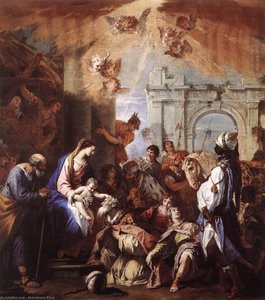
Artist Biography
Antônio Francisco Braga: The Melodic Soul of a Nation
In the grand tapestry of Brazilian cultural history, few threads shine as brightly or as patriotically as the music of Antônio Francisco Braga. Known to many by his evocative moniker, Moderno, Braga was far more than a mere composer; he was a musical architect who sought to build a sonic identity for a burgeoning republic. Born in the vibrant heart of Rio de Janeiro in 1868, his early life was shaped by a profound connection to the rhythms and landscapes of his homeland, even as his formal training took him across the sophisticated musical capitals of Europe. His journey was one of constant synthesis, a delicate balancing act between the rigorous academic traditions of the Old World and the untamed, soulful melodies of the New.
The formative years of Braga’s education were marked by an extraordinary pursuit of excellence. After initial studies under masters such as Luiz António de Moura and Carlos de Mesquita, his talent earned him a prestigious scholarship to the Conservatoire in Paris. It was here, under the legendary tutelage of Jules Massenet, that Braga’s musical language began to expand. Immersed in the lush textures of French Impressionism and the evocative depths of Symbolism, he learned to paint with sound, capturing subtle nuances of light and atmosphere. This European refinement was further enriched by his travels through Germany and Italy, where he absorbed the structural grandeur of the German tradition and the lyrical grace of Italian opera. Yet, despite these cosmopolitan influences, the heartbeat of his music remained resolutely Brazilian.
A Symphony of Nationalism and Folklore
Upon his return to Brazil in 1900, Braga embarked on a mission that would define his legacy: the creation of a nationalistic musical vernacular. He did not merely mimic European styles; instead, he utilized those very techniques to elevate Brazilian folklore, rhythms, and legends to the symphonic stage. His compositions became a mirror reflecting the grandeur and the mystery of the Brazilian landscape. In works such as O Eco da Pedra (The Echo of Stone), one can almost feel the geological weight of the nation's mountains, while A Sereia do Rio (The Siren of the River) whispers the enchanting myths of the country's vast waterways. This ability to weave the local into the universal allowed his music to resonate with a profound sense of belonging.
His contributions to the Brazilian national identity reached a pinnacle of symbolic importance in 1906, when his composition Hino à Bandeira (Hymn to the Flag) was officially adopted as the anthem for the Brazilian national flag. This achievement placed him at the very center of the nation's civic life, transforming his art into a shared ritual of patriotism. Beyond the anthems and marches, his repertoire was vast and deeply emotive, encompassing:
- Operatic Masterpieces: Works such as Jupira and Anita Garibaldi, which brought historical and legendary Brazilian narratives to life through dramatic vocal expression.
- Symphonic Poems: Evocative orchestral pieces like Marabá, which served as early milestones in the development of a specifically Brazilian symphonic style.
- Chamber and Vocal Works: Intimate settings of poetry and instrumental dialogues that showcased his mastery of harmony and melodic contour.
Legacy and the Architecture of Music Education
Beyond the notes on the page, Braga’s impact was felt in the very institutions that nurtured future generations of Brazilian talent. As a professor at the Instituto Nacional de Música and a conductor for the Sociedade de Concertos Sinfônicos, he acted as a bridge between eras. He was often regarded as a foundational figure in Brazilian music education, instilling in his pupils—including the notable Cacilda Borges Barbosa—a respect for both technical discipline and nationalistic pride. His life was a testament to the idea that true artistry requires one to look outward at the world while remaining deeply rooted in one's own soil.
When he passed away in Rio de Janeiro in 1945, he left behind a musical landscape that had been irrevocably changed by his vision. The "Moderno" had succeeded in creating a language where the sophisticated orchestrations of Paris could dance to the rhythms of Brazil. Today, the works of Antônio Francisco Braga stand not just as historical artifacts, but as living, breathing echoes of a nation finding its voice through the transformative power of music.
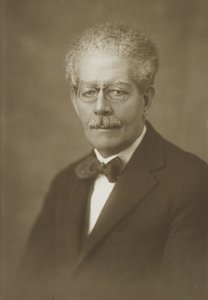
antônio francisco braga
1868 - 1945 , Brazil
Quick Facts
- Artistic Movement Or Style: Moderno
- Artists Or Movements Influenced By This Artist: ['Brazilian Nationalism']
- Artists Who Influenced This Artist:
- Luiz António de Moura
- Carlos de Mesquita
- Date Of Birth: Rio de Janeiro, Brazil (1868)
- Date Of Death: 1945
- Full Name: Antônio Francisco Braga
- Nationality: Brazilian
- Notable Artworks:
- O Eco da Pedra
- A Sereia do Rio
- A Intriga do Amor
- Place Of Birth: Rio de Janeiro

