 Preview
 Send
Send Share
Share
 Details

 Download
 Similars
 X-Ray
X-Ray Diaporama
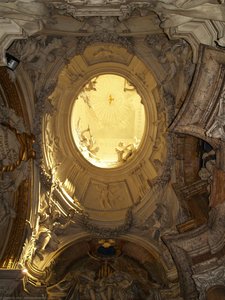
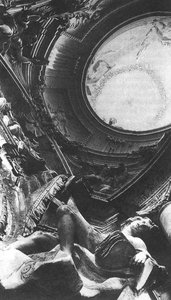
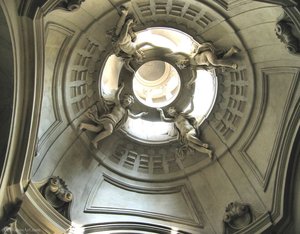
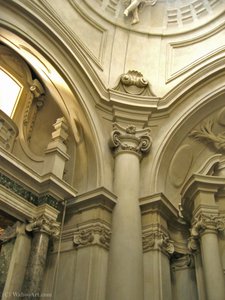
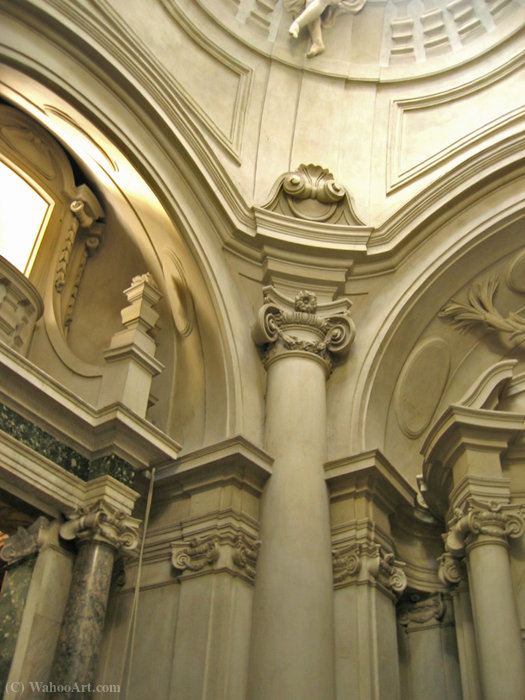
Santa Maria in Trastevere, Roma
 Read More
Hand Made Oil Reproduction
Hand-painted oil on canvas in your size and frame, made to order by our artists. ( Buy Print Buy Image)




































Pick from our preset sizes that match the artwork's original proportions.

You may enter your own dimensions to fit a specific frame or space. If your selected size does not match the original image's proportions, we will either crop the artwork or extend the painting with additional hand-painted elements. A digital mockup will be sent for your approval before production begins.
Please note that the on-screen preview does not reflect the actual cropping or extension. Only the mockup will accurately show the final composition.
While custom sizes are available, we recommend selecting a dimension from the predefined list to preserve the original proportions.
After order, ArtsDot.com team will email client for instructions and provide a mockup preview
Worldwide Delivery () in 3/4 weeks instead of standard 5 weeks. (25 August). No compromise on quality.

Free Worldwide Express Shipping

High-Quality Linen Canvas

Full Shipping Insurance

Customs Tax Refund Guarantee

True Color Matching Guarantee

60-Day Return Policy (Defects Only)

100% Money-Back Guarantee

Bulk Discount Offer
 Glass option is only available in size under 110 CM

Santa Maria in Trastevere, Roma
Reproduction Medium
Reproduction Size
-


Total Price
$ 263
Related Artworks









Artist Biography
Antonio Gherardi (1638 – 1702): A Baroque Visionary Sculptor and Painter of Rome
Antonio Gherardi, born in Rieti, Italy, around 1638, emerged as a prominent figure within the vibrant artistic landscape of the Baroque era. His journey began amidst challenging circumstances—his father’s untimely death leaving him orphaned at just eight years old—yet he swiftly found patronage and mentorship through Monsignor Bulgarino Bulgarini, governor of Rieti, who recognized his potential and championed his ambitions. This pivotal connection propelled him towards Rome (c. 1656), where he enrolled in the prestigious Accademia di San Luca and benefited immensely from collaborations with masters like Pier Francesco Mola and Pietro da Cortona. These formative experiences honed his skills in both painting and stucco decoration, establishing a foundation for his enduring legacy.- Early Influences & Training: Gherardi’s artistic development was profoundly shaped by the stylistic innovations of Bernini and Cortona, whose workshops served as incubators for groundbreaking ideas and techniques. He absorbed their mastery of dramatic composition and sculptural virtuosity, incorporating these elements into his own distinctive oeuvre.
- Architectural Achievements: Beyond painting, Gherardi distinguished himself as an architect, crafting designs that embodied the grandeur and dynamism characteristic of late Baroque aesthetics. His most celebrated architectural endeavors include the Santa Cecilia Chapel in San Carlo ai Catinari and the Avila Chapel in Santa Maria in Trastevere—Rome—where he skillfully blended classical forms with baroque exuberance.
- Notable Projects: Gherardi’s architectural prowess extended to monumental commissions, notably the chapel of Santa Teresa in Santa Maria in Trastevere, which retains a captivating painting by Gherardi depicting Saint Teresa's Ecstasy. These projects stand as testament to his imaginative vision and technical skill.
Painting Style & Technique: Baroque Drama Embodied
Gherardi’s artistic style was firmly rooted in the Baroque tradition, prioritizing emotional intensity and theatrical presentation. He skillfully employed chiaroscuro—the dramatic interplay of light and shadow—to heighten visual impact and convey profound psychological depth. His canvases pulsated with movement and dynamism, reflecting the baroque fascination for grandeur and spectacle. Furthermore, Gherardi’s meticulous attention to detail ensured that every element contributed to the overall narrative, immersing viewers in a world of heightened emotion and sensory experience.- Color Palette: Gherardi favored rich, saturated hues—particularly reds and golds—to evoke feelings of majesty and spirituality.
- Compositional Devices: He utilized pyramidal structures and diagonal lines to create visual stability while simultaneously conveying a sense of upward thrust and movement.
- Brushwork: His brushstrokes were characterized by fluidity and expressive energy, capturing the immediacy of emotion and enhancing the textural quality of his paintings.
Legacy & Historical Significance
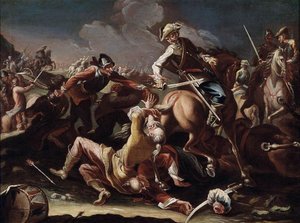
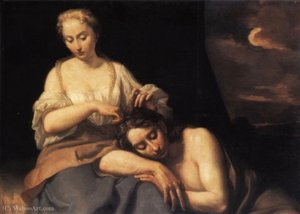
Antonio Gherardi’s contribution to Baroque art is undeniable—he remains a celebrated sculptor and painter whose works continue to inspire admiration for their artistic merit and technical brilliance. His architectural designs, particularly those found in Rome's churches, exemplify the stylistic ideals of his era, reflecting the fervor of religious devotion and the pursuit of aesthetic excellence. Gherardi’s enduring influence can be discerned in subsequent generations of artists who embraced similar approaches to composition and technique—solidifying his place as a pivotal figure within the artistic history of Italy and beyond. His legacy persists through masterpieces like ‘Battle Scene’ and ‘Untitled (278)’ which showcase his masterful command of Baroque artistry.Further Exploration
You can delve deeper into Gherardi's life and work by visiting these resources:- Wikipedia: https://en.wikipedia.org/wiki/Gherardi
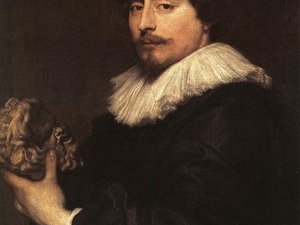
Antonio Gherardi
1638 - 1702 , Italy
Quick Facts
- Artistic Movement Or Style: Baroque
- Artists Or Movements Influenced By This Artist:
- Bernini
- Borromini
- Artists Who Influenced This Artist:
- Pier Francesco Mola
- Pietro da Cortona
- Date Of Birth: 1638 Rieti Italy
- Date Of Death: 1702
- Full Name: Antonio Gherardi
- Nationality: Italian
- Notable Artworks:
- Battle Scene
- Stuccowork
- Untitled (278)
- Place Of Birth: Rieti Italy