

 Preview
 Send
Send Share
Share
 Details

 Download
 Similars
 X-Ray
X-Ray Diaporama
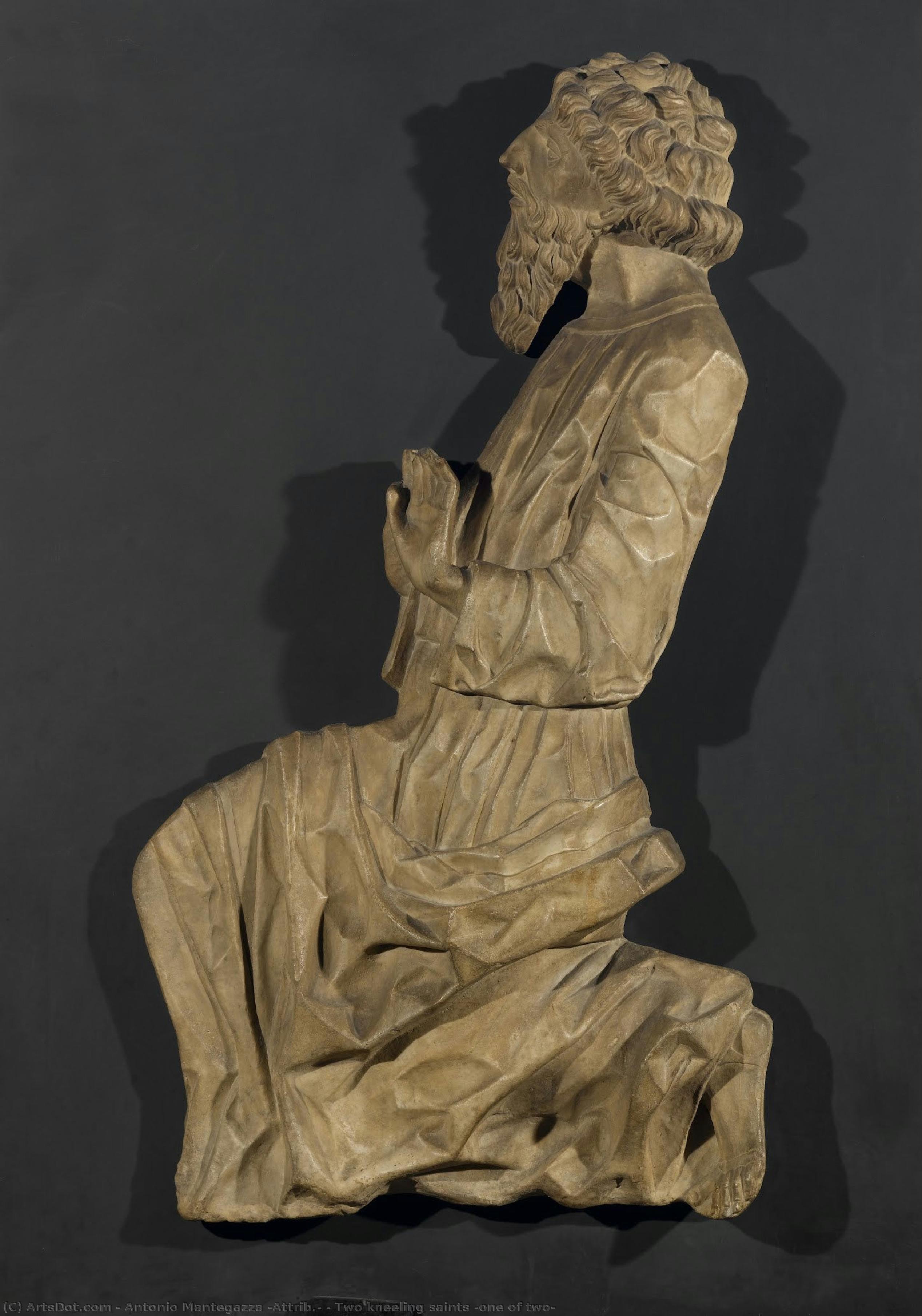
Two kneeling saints (one of two)
 1400
1400 5.0 x 15.0 cm
 Sforza Castle
 Read More
Purchase a high-resolution, enhanced digital image, far superior to the online preview.
Each file is meticulously prepared by our in-house specialists using advanced tools and expert manual retouching. We ensure every image has exceptional clarity, precise color accuracy, and fine detail.
The final file is delivered via email within 72 hours, optimized for immediate use in professional, editorial, and print environments. This is the same quality trusted by top-tier design studios, publishers, and galleries.
Digital Image
Download a high-resolution file for personal display, printing, and creative projects. ( Buy Print Buy Hand Made Painting)
Included in Every Digital Image Order
Expert Digital Delivery, Guaranteed
When you choose ArtsDot.com, you're not just getting an image - you're receiving a professionally enhanced digital artwork, crafted with precision and backed by a satisfaction guarantee. Here's everything that comes with your order, automatically:

Fast Email Delivery
Your high-resolution digital image file will be emailed to you within 72 hours of ordering - ready for immediate use.

AI-Enhanced Digital File
Your artwork is professionally optimized using advanced AI tools and manual editing, ensuring maximum detail, clarity, and color accuracy.

Free Lifetime Re-Delivery
Accidentally deleted or lost your file? No worries - we'll resend it to you anytime, free of charge.

No Import Fees - Ever
Enjoy your artwork instantly with zero customs, duties, or delivery fees - digital downloads are always tax-free.

Color Accuracy Guarantee
We ensure your digital image reflects the original colors as closely as possible using professional tools and color management.

60-Day Satisfaction Guarantee
If you're not satisfied with your digital image, we'll revise it or refund 100% within 60 days - no questions asked.

100% Money-Back Guarantee
Not satisfied? Get a full refund within 60 days of receiving your digital file - no questions asked.

Bulk Order Discounts
Buy 3 images, save 10% - Buy 5, save 15% - Buy 10+, save 20%. Great for creative projects, galleries, and agencies.
Collectible Description
Related Artworks








Artist Biography
Antonio Mantegazza: A Sculptor of the Milanese Renaissance
Antonio Mantegazza, a name often encountered in association with his brother Cristoforo, stands as a pivotal figure within the artistic landscape of 15th-century Lombardy. Born around 1440 – though precise dates remain elusive – he emerged during a period of intense artistic and architectural activity, deeply intertwined with the patronage of the Sforza family in Milan. His legacy is primarily defined by his contributions to the magnificent facade of the Certosa di Pavia and, more subtly, through his involvement in the decoration of other significant structures within the region. While often categorized as an “attributed” artist – a common designation for works where authorship remains uncertain – Mantegazza’s distinctive style and technical prowess warrant careful consideration, revealing a sculptor deeply influenced by both classical ideals and contemporary trends.Early Life and Artistic Training
Information regarding Mantegazza's early life is remarkably sparse. Records detailing his birth city and precise formative years are scant, contributing to the enigmatic nature of his artistic journey. What *is* known is that he and Cristoforo were summoned to the Certosa di Pavia in 1473 by Galeazzo Maria Sforza, Duke of Milan, to undertake the ambitious project of designing an equestrian statue honoring his father, Francesco I Sforza. This commission, ultimately entrusted to Leonardo da Vinci, undoubtedly provided both brothers with invaluable experience and exposure to the highest echelons of artistic patronage. Their involvement in this monumental undertaking served as a crucial stepping stone, shaping their aesthetic sensibilities and establishing them within the Milanese art scene. It’s believed they were also involved in decorating the Hospital of the Pietà, now corresponding to Piazza Leonardo, where a copy of the Pietà Mantegazza is displayed.The Style of ‘Cartaceo’: A Distinctive Approach
Mantegazza's sculptures are immediately recognizable for their distinctive “cartaceous” style – a term coined by scholars due to the material’s resemblance to crumpled paper. This approach, characterized by flattened figures, simplified drapery, and a deliberate lack of volume, was particularly prevalent in Milan during this period. It represents a departure from the more traditionally rounded forms favored in earlier Renaissance sculpture, reflecting a conscious embrace of a new aesthetic vocabulary. This style wasn’t entirely unique to Mantegazza; it shared characteristics with other sculptors working in the region, including Cristoforo and Giovanni Antonio Amadeo. However, Mantegazza's mastery of this technique – his ability to imbue these seemingly simplified forms with remarkable expressiveness and emotional depth – distinguishes him as a key practitioner of this influential style. The influence of masters like Mantegna and Ferrarese sculptors is evident in the way he utilizes perspective and creates dramatic effects within limited spatial constraints.Major Works: The Certosa di Pavia and Beyond
The facade of the Certosa di Pavia represents the pinnacle of Mantegazza’s artistic achievements. His contributions to this vast architectural complex are extensive, encompassing a range of decorative elements – including relief sculptures adorning the main portal, intricate details within the cloisters, and monumental figures depicting scenes from the Old Testament. The “Pietà Mantegazza,” a poignant depiction of Christ and Mary, stands as perhaps his most celebrated work, showcasing his technical skill and emotional sensitivity. The sculpture’s elongated figures, expressive gestures, and carefully rendered drapery evoke a powerful sense of grief and sorrow. Beyond the Certosa, Mantegazza's influence can be detected in other projects throughout Milan and the surrounding region, though fewer examples survive today.Legacy and Historical Significance
Despite the frequent attribution of his works to Cristoforo Mantegazza, Antonio’s contribution to the artistic landscape of 15th-century Lombardy is undeniable. His “cartaceous” style, characterized by its innovative approach to form and its ability to convey profound emotion, had a lasting impact on subsequent generations of sculptors. He represents a crucial link between the classical ideals of the Renaissance and the evolving aesthetic sensibilities of Milanese art. While his individual fame may have been somewhat overshadowed by his brother’s more prominent role in certain projects, Antonio Mantegazza remains a significant figure – a testament to the dynamism and creativity of the Italian Renaissance. His work continues to fascinate scholars and art enthusiasts alike, offering a glimpse into the artistic world of a pivotal era.
antonio mantegazza (attrib.)
1495 , Italy
Quick Facts
- Artistic Movement Or Style: Renaissance Sculpture
- Artists Or Movements Influenced By This Artist: ['Giovanni Antonio Amadeo']
- Artists Who Influenced This Artist:
- Mantegna
- Ferrarese masters
- Date Of Death: 1495
- Full Name: Antonio Mantegazza
- Nationality: Italian
- Notable Artworks:
- Two kneeling saints
- Certosa facade relief
- Place Of Birth: Milan, Lombardy, Italy

