 Preview
 Send
Send Share
Share
 Details

 Download
 Similars
 X-Ray
X-Ray Diaporama
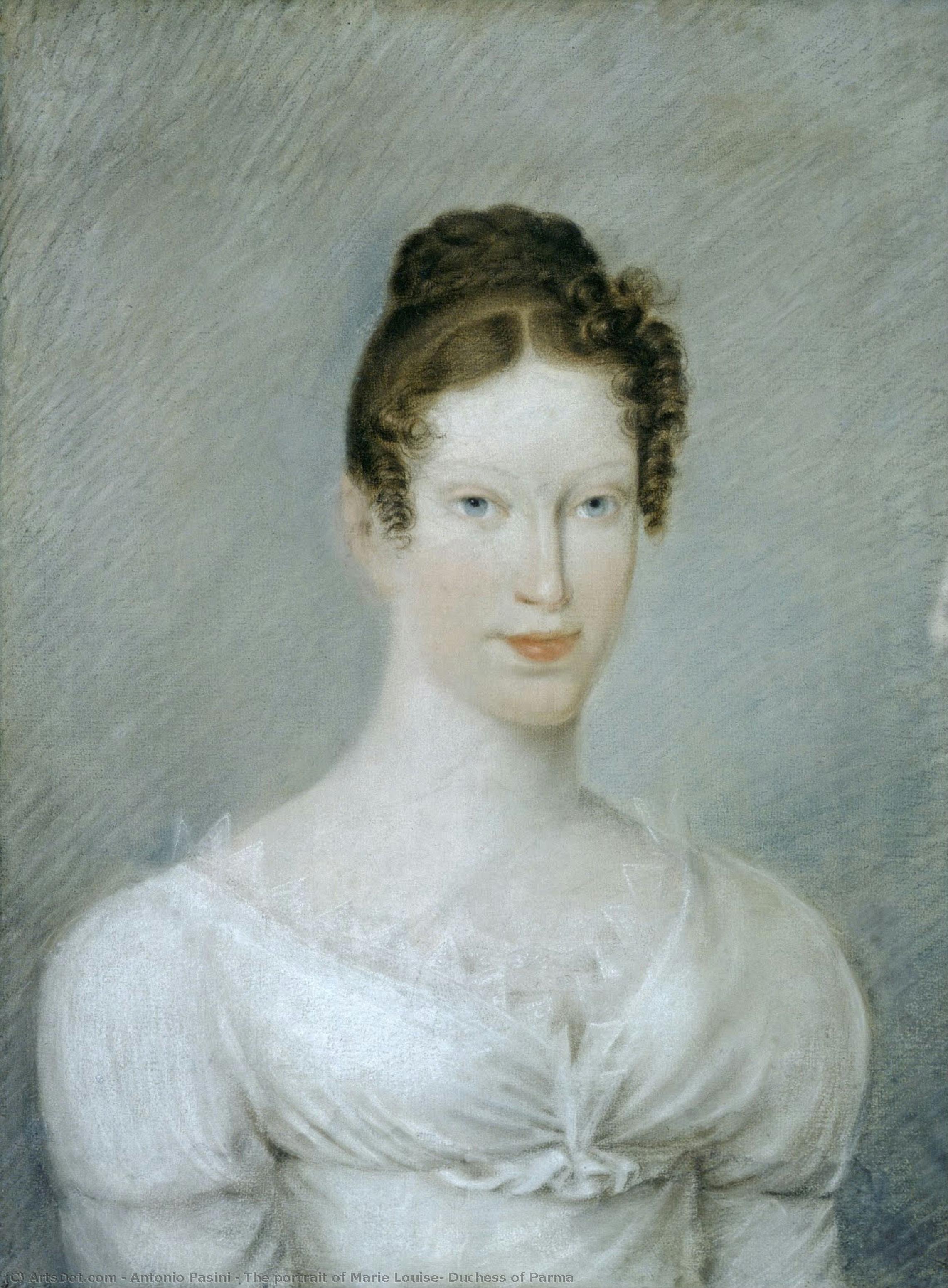
The portrait of Marie Louise, Duchess of Parma

 Read More
Hand Made Oil Reproduction
Hand-painted oil on canvas in your size and frame, made to order by our artists. ( Buy Print Buy Image)




































Pick from our preset sizes that match the artwork's original proportions.

You may enter your own dimensions to fit a specific frame or space. If your selected size does not match the original image's proportions, we will either crop the artwork or extend the painting with additional hand-painted elements. A digital mockup will be sent for your approval before production begins.
Please note that the on-screen preview does not reflect the actual cropping or extension. Only the mockup will accurately show the final composition.
While custom sizes are available, we recommend selecting a dimension from the predefined list to preserve the original proportions.
After order, ArtsDot.com team will email client for instructions and provide a mockup preview
Worldwide Delivery () in 3/4 weeks instead of standard 5 weeks. (3 September). No compromise on quality.

Free Worldwide Express Shipping

High-Quality Linen Canvas

Full Shipping Insurance

Customs Tax Refund Guarantee

True Color Matching Guarantee

60-Day Return Policy (Defects Only)

100% Money-Back Guarantee

Bulk Discount Offer
 Glass option is only available in size under 110 CM

The portrait of Marie Louise, Duchess of Parma
Reproduction Medium
Reproduction Size
-


Total Price
$ 263
Related Artworks





Artist Biography
Early Life and Training in Parma
Antonio Pasini, born February 21st, 1770, in the small town of Borgo San Donnino near Parma, entered a world steeped in artistic tradition. The Parma he knew was undergoing a cultural renaissance—a deliberate attempt to recapture the glory of its past under the Farnese dukes and embrace the Enlightenment ideals sweeping across Europe. This environment, often dubbed “the Athens of Italy,” provided fertile ground for a young artist’s development. Pasini's initial training took place at the Accademia di Belle Arti di Parma, founded in 1752, where he studied under Domenico Muzzi. The curriculum emphasized classical principles—anatomy, perspective, and composition—laying a solid foundation for his future work. While details of his early family life remain scarce, it’s clear that he was immersed in the artistic circles of Parma from a young age, absorbing the prevailing aesthetic sensibilities.
A Master of Miniature Portraiture
Pasini quickly distinguished himself as a skilled miniaturist, specializing in exquisitely detailed portraits painted on ivory. This demanding art form required not only technical precision but also an exceptional eye for likeness and character. He became renowned for his ability to capture the subtle nuances of expression and texture within the limited space of the miniature format. In 1805, a significant milestone arrived with his nomination as Professor of Miniatura at the Accademia di Belle Arti in Parma—a testament to his growing reputation and skill. His work during this period often reflected the political climate, including celebratory portraits honoring Napoleon Bonaparte and his consort Marie Louise, Duchess of Parma. The delicate beauty and refined technique of these miniatures secured him a position as a favored artist within the court.
Court Portraitist and Anatomical Studies
In 1816, Pasini officially became the portraitist for the local court, solidifying his status as a leading artistic figure in Parma. This appointment brought with it increased responsibility and exposure, allowing him to portray members of the aristocracy and document the changing social landscape. However, his tenure wasn’t without its challenges; some critics found his depictions of Marie Louise lacking in capturing her full imperial dignity. In 1822, he further broadened his academic role by being named Teacher of Composizione e di Anatomia—a position that underscores his deep understanding of artistic principles beyond mere surface representation. This commitment to anatomical study likely informed the realism and precision evident in his portraits.
Influences and Artistic Style
Pasini’s style was deeply rooted in the Neoclassical tradition, characterized by its emphasis on clarity, balance, and idealized forms. He drew inspiration from earlier masters like Correggio and Ingres, adapting their techniques to suit the intimate scale of miniature portraiture. His work often features a soft palette, delicate brushwork, and meticulous attention to detail. While embracing classical principles, Pasini also demonstrated a sensitivity to Rococo aesthetics, resulting in portraits that are both elegant and refined. He skillfully blended these influences to create a unique artistic voice—one that captured the spirit of his time while remaining true to the traditions of Italian painting. His ability to seamlessly integrate manuscript illumination techniques with neoclassical portraiture further distinguished him within the Parma art scene.
Legacy and Pupils
Antonio Pasini’s influence extended beyond his own paintings through his dedicated teaching at the Accademia di Belle Arti. He nurtured a generation of aspiring artists, imparting his knowledge of technique, composition, and anatomy. Among his notable pupils were Francesco Scaramuzza, Macedonio Melloni, Evangelista Pinelli, and Vincenzo Bertolotti—each of whom went on to establish their own artistic careers. Pasini’s contributions bridged the gap between traditional manuscript illumination and the evolving neoclassical portraiture of the 19th century. He died in Parma in 1845, leaving behind a legacy of exquisite miniatures, insightful anatomical studies, and a lasting impact on the cultural life of his city. His work continues to be admired for its technical brilliance, refined elegance, and sensitive portrayal of character.
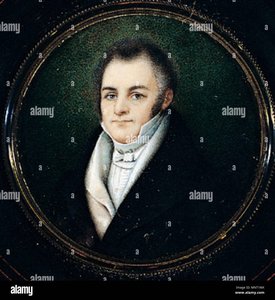
antonio pasini
1770 - 1845 , Italy
Quick Facts
- Artistic Movement Or Style: Miniature painting
- Artists Or Movements Influenced By This Artist:
- Francesco Scaramuzza
- Macedonio Melloni
- Artists Who Influenced This Artist: ['Domenico Muzzi']
- Date Of Birth: 1770
- Date Of Death: 1845
- Full Name: Antonio Pasini
- Nationality: Italian
- Notable Artworks: ['Portrait of Marie Louise']
- Place Of Birth: Fidenza, Italy