 Preview
 Send
Send Share
Share
 Details

 Download
 Similars
 X-Ray
X-Ray Diaporama
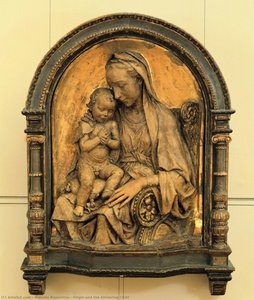
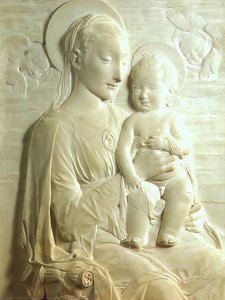
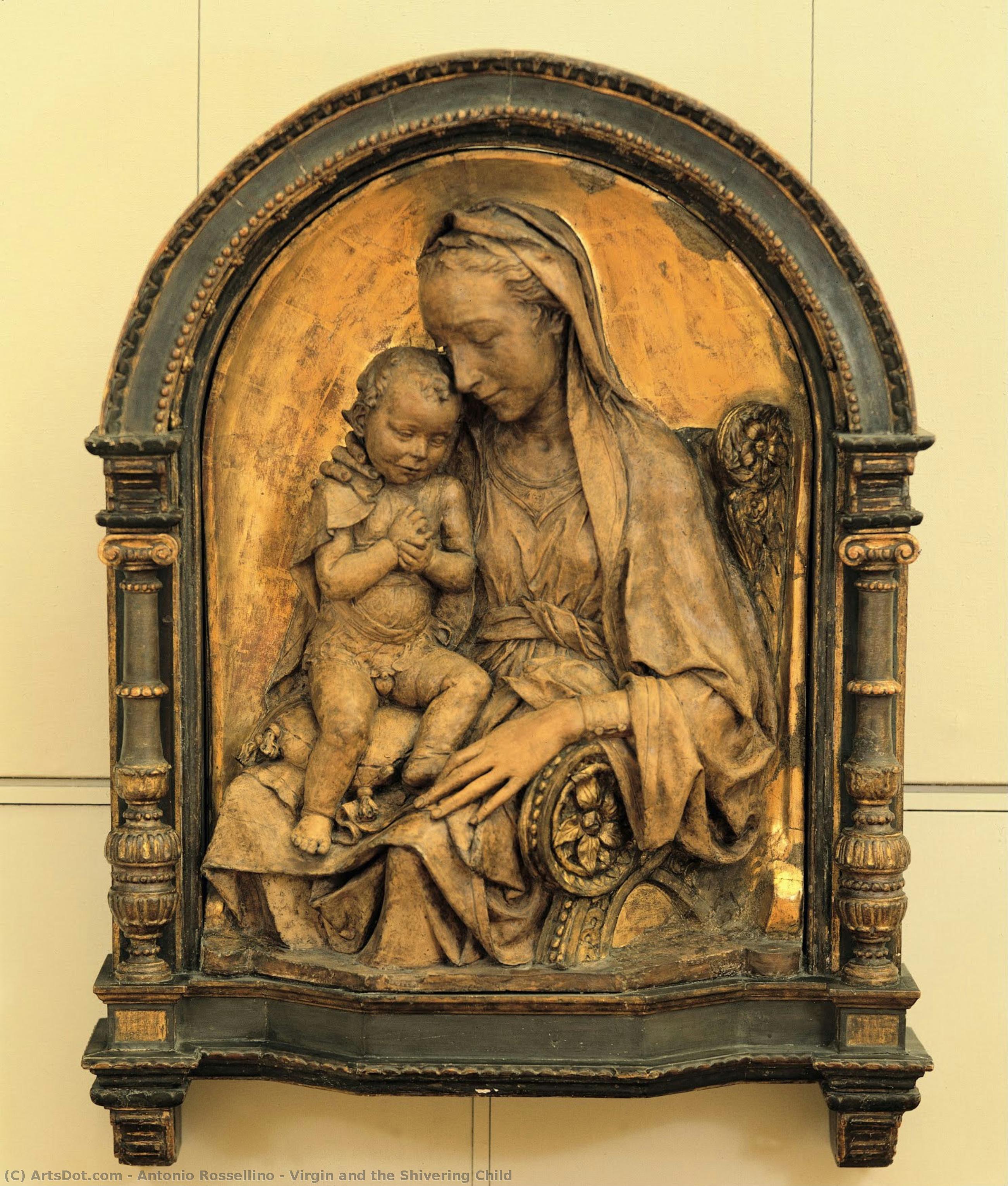
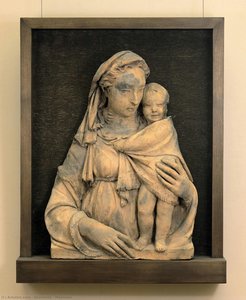
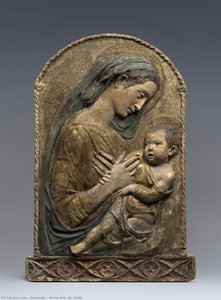
Virgin and the Shivering Child
 Early Renaissance
 1475
1475 61.0 x 81.0 cm
 Read More
Hand Made Oil Reproduction
Hand-painted oil on canvas in your size and frame, made to order by our artists. ( Buy Print Buy Image)




































Pick from our preset sizes that match the artwork's original proportions.

You may enter your own dimensions to fit a specific frame or space. If your selected size does not match the original image's proportions, we will either crop the artwork or extend the painting with additional hand-painted elements. A digital mockup will be sent for your approval before production begins.
Please note that the on-screen preview does not reflect the actual cropping or extension. Only the mockup will accurately show the final composition.
While custom sizes are available, we recommend selecting a dimension from the predefined list to preserve the original proportions.
After order, ArtsDot.com team will email client for instructions and provide a mockup preview
Worldwide Delivery () in 3/4 weeks instead of standard 5 weeks. (23 August). No compromise on quality.

Free Worldwide Express Shipping

High-Quality Linen Canvas

Full Shipping Insurance

Customs Tax Refund Guarantee

True Color Matching Guarantee

60-Day Return Policy (Defects Only)

100% Money-Back Guarantee

Bulk Discount Offer
 Glass option is only available in size under 110 CM

Virgin and the Shivering Child
Reproduction Medium
Reproduction Size
-


Total Price
$ 288
Artwork Description
Related Artworks
Artist Biography
The Sculptor of Florentine Humanism
Antonio Gamberelli, known to history by the evocative moniker Antonio Rossellino—a name inspired by the distinctive color of his hair—stands as a luminous figure within the pantheon of the Italian Renaissance. Born in the quiet, artistic enclave of Settignano near Florence around 1427, he emerged not merely as a craftsman, but as a sculptor capable of breathing life into cold marble and malleable terracotta. His journey was inextricably linked to the intellectual and aesthetic currents of Florence, a city then undergoing a profound transformation driven by humanist ideals. Through his hands, the rigid forms of the medieval past dissolved, replaced by a new language of anatomical precision, emotional vulnerability, and a deep reverence for the natural world.
The foundations of Rossellino’s mastery were laid under the watchful eye of his elder brother, Bernardo Rossellino. A titan of architectural innovation, Bernardo provided Antonio with an unparalleled apprenticeship, introducing him to the complexities of large-scale monumental works and the delicate art of polychrome marble inlay. This early exposure to the structural demands of architecture and the decorative richness of the Cappella dei Medici style instilled in Antonio a meticulous attention to detail. He learned that a sculpture was not merely an object to be viewed, but a presence to inhabit a space, a lesson that would later define his ability to command both grand ecclesiastical commissions and intimate devotional reliefs.
A Mastery of Form and Emotion
As his career flourished, Rossellino developed a signature style characterized by a breathtaking balance between classical grace and poignant realism. His work often sought to capture the fleeting nuances of human expression, a feat achieved through subtle gestures and a profound understanding of light and shadow. In his marble works, such as the Young Saint John the Baptist, one observes a remarkable anatomical accuracy that reflects the burgeoning scientific curiosity of the Renaissance. Yet, beneath this technical perfection lies a soulful tenderness, an ability to evoke empathy in the viewer through the soft curve of a limb or the gentle tilt of a head.
This emotional depth reached new heights in his use of terracotta, a medium that allowed for even greater fluidity and immediacy. His relief, Virgin and the Shivering Child, serves as a poignant testament to this mastery. In this work, the warmth of the clay facilitates a sense of intimacy and vulnerability, showcasing the delicate beauty of the Madonna and the raw, human reality of the infant. Such pieces demonstrate how Rossellino could navigate the spectrum of Renaissance art, moving seamlessly from the monumental narrative power required for pulpit decorations to the quiet, contemplative intensity of private devotional objects.
Legacy and Historical Significance
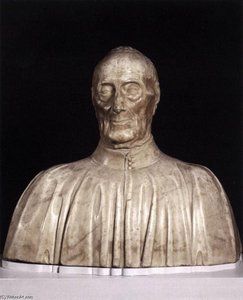
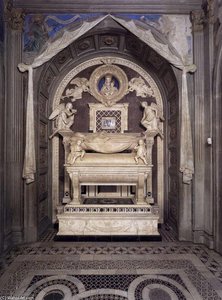
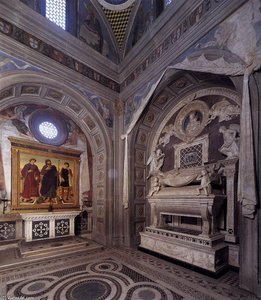
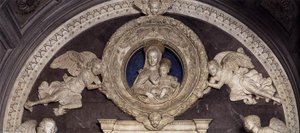
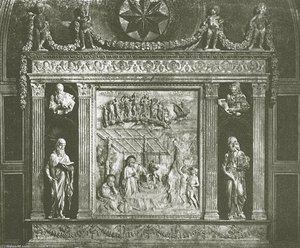
The significance of Antonio Rossellino extends far beyond his individual masterpieces; he was a vital participant in the collective artistic evolution of 15th-century Florence. His collaborations, most notably with Mino da Fiesole on the ambitious sculptural programs for Prato’s pulpit, highlight his role within a vibrant community of artists working toward a shared vision of beauty and truth. His contributions to the Chapel of Cardinal Portugal at San Miniato al Monte further cement his reputation as a sculptor capable of handling complex theological narratives through sophisticated relief work.
Ultimately, Rossellino’s legacy is found in the enduring resonance of his subjects. He captured the essence of the human condition during one of history's most transformative eras, bridging the gap between the divine and the earthly. His ability to infuse stone and clay with a sense of living breath ensured that his work would remain a cornerstone of Florentine art, inspiring generations of sculptors to pursue the same harmonious union of technical brilliance and profound human emotion.
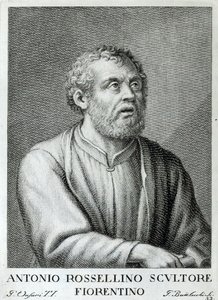
Antonio Rossellino
1427 - 1479 , Italy
Quick Facts
- Artistic Movement Or Style: Renaissance Sculpture
- Artists Or Movements Influenced By This Artist: ['Renaissance']
- Artists Who Influenced This Artist: ['Bernardo Rossellino']
- Date Of Birth: Settignano, Italy (1427)
- Date Of Death: Naples (1479)
- Full Name: Antonio Rossellino
- Nationality: Italian
- Notable Artworks:
- Young Saint John the Baptist
- Virgin and the Shivering Child
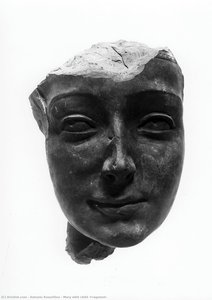
- Mary with child (Fragment)
- Place Of Birth: Settignano
Related Articles

Bronze Sculptures That Defined Art History | ArtsDot
Journey through art history with our Top 10 bronze sculptures! Explore masterpieces by Rodin, Michelangelo & more. Discover stories behind iconic statues and find museum-quality reproductions for your home decor at ArtsDot.com.

The Enduring Form: Exploring Themes & Techniques in Sculpture Across Historical Periods
Explore the rich history of sculpture from ancient masterpieces to contemporary innovations. Discover key techniques, influential artists & investment potential for discerning art collectors.

Bronze Age to Modern Masters: 10 Sculptures That Redefined Art | ArtsDot
Journey through art history with 10 legendary bronze sculptures – from Michelangelo's David to Rodin’s Thinker. Explore the stories, techniques & timeless beauty of these masterpieces. Find museum-quality reproductions & elevate your home decor on ArtsDot.com.
The Enduring Form: Sculpture Across History, Technique & Emotional Resonance
Explore the rich history of sculpture with ArtsDot. Discover key techniques, influential artists & investment potential for discerning collectors. Expert insights into valuing and collecting timeless masterpieces.
Luca della Robbia: Renaissance Sculpture & the Innovation of Terracotta Glazing
Discover the innovative terracotta glazing techniques of Luca della Robbia, a Renaissance master sculptor. Explore his iconic works, legacy, and collecting tips with ArtsDot.