

 Send
Send Share
Share
 Details

 Download
 Similars
 Diaporama
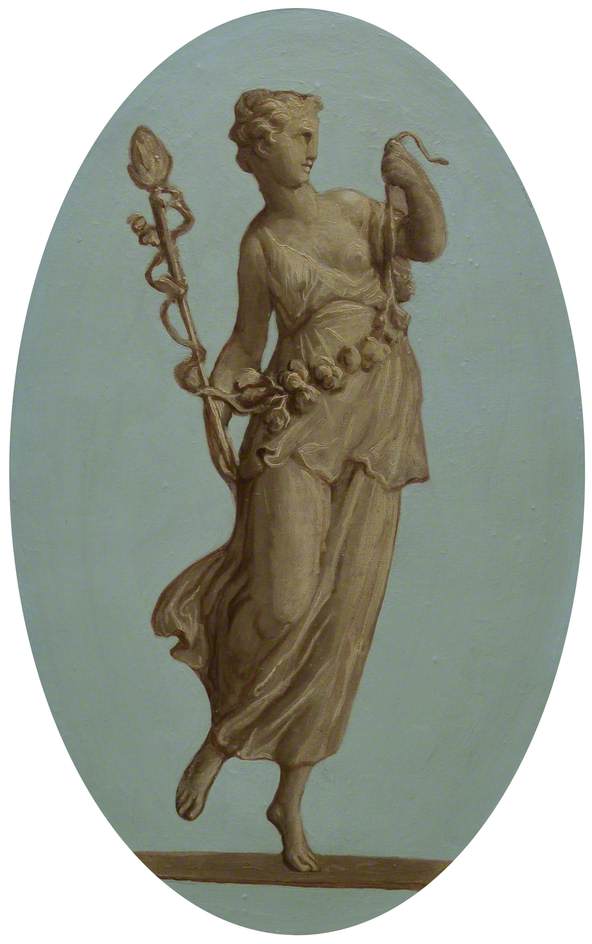
Bacchantes (6 of 6 ovals)
 Sculpture
- Sculpture
- Neoclassicism
 1773
1773 65.0 x 38.0 cm
 English Heritage
 Read More
Purchase a high-resolution, enhanced digital image, far superior to the online preview.
Each file is meticulously prepared by our in-house specialists using advanced tools and expert manual retouching. We ensure every image has exceptional clarity, precise color accuracy, and fine detail.
The final file is delivered via email within 72 hours, optimized for immediate use in professional, editorial, and print environments. This is the same quality trusted by top-tier design studios, publishers, and galleries.
Digital Image
Download a high-resolution file for personal display, printing, and creative projects. ( Buy Print Buy Hand Made Painting)
Included in Every Digital Image Order
Expert Digital Delivery, Guaranteed
When you choose ArtsDot.com, you're not just getting an image - you're receiving a professionally enhanced digital artwork, crafted with precision and backed by a satisfaction guarantee. Here's everything that comes with your order, automatically:

Fast Email Delivery
Your high-resolution digital image file will be emailed to you within 72 hours of ordering - ready for immediate use.

AI-Enhanced Digital File
Your artwork is professionally optimized using advanced AI tools and manual editing, ensuring maximum detail, clarity, and color accuracy.

Free Lifetime Re-Delivery
Accidentally deleted or lost your file? No worries - we'll resend it to you anytime, free of charge.

No Import Fees - Ever
Enjoy your artwork instantly with zero customs, duties, or delivery fees - digital downloads are always tax-free.

Color Accuracy Guarantee
We ensure your digital image reflects the original colors as closely as possible using professional tools and color management.

60-Day Satisfaction Guarantee
If you're not satisfied with your digital image, we'll revise it or refund 100% within 60 days - no questions asked.

100% Money-Back Guarantee
Not satisfied? Get a full refund within 60 days of receiving your digital file - no questions asked.

Bulk Order Discounts
Buy 3 images, save 10% - Buy 5, save 15% - Buy 10+, save 20%. Great for creative projects, galleries, and agencies.
Collectible Description
A Moment of Grace: Exploring Antonio Zucchi’s ‘Bacchantes (6 of 6 ovals)’
The sculpture “Bacchantes (6 of 6 ovals)” by Antonio Zucchi, created in 1773, embodies the elegance and idealism characteristic of neoclassical art. Presented within a delicately crafted oval frame—a popular decorative motif of its time—the artwork immediately draws the eye with its striking contrast between the muted blue background and the dark brown or black material of the sculpture itself. This masterful use of tonal variation speaks to Zucchi’s meticulous attention to detail and his ability to convey depth and form through subtle shading techniques.Subject Matter and Composition
The sculpture depicts Flora, the Roman goddess of flowers—a figure deeply rooted in mythology and symbolizing fertility, renewal, and springtime beauty. Zucchi captures her pose with remarkable dynamism; she stands upright, one arm raised gracefully as if offering a garland of blossoms, while the other rests calmly near her hip. This posture exudes confidence and serenity, reflecting the idealized aesthetic principles prevalent during the Enlightenment period. The central placement of Flora ensures that she dominates the composition, reinforcing her role as the focal point of artistic contemplation.Style and Technique: Classical Influence
Zucchi’s work firmly establishes itself within the neoclassical tradition—a reaction against the ornate Baroque style preceding it. Drawing inspiration from Roman sculpture, particularly works celebrating goddesses like Venus and Diana, he adheres to principles of anatomical accuracy combined with idealized proportions. The smooth surface finish achieved through polishing demonstrates Zucchi's mastery of sculpting technique, highlighting the sculptor’s commitment to capturing beauty in its purest form. The drapery is rendered loosely draped, adding to the sculpture’s sense of movement and conveying a feeling of ethereal grace.Historical Context: Enlightenment Ideals
Created during the Enlightenment—a period marked by intellectual curiosity and philosophical reform—the sculpture reflects the broader cultural values of its time. Neoclassical art championed reason, order, and moral virtue, mirroring the aspirations of European society to emulate classical antiquity’s perceived perfection. The oval frame itself underscores this formal aesthetic sensibility, aligning with prevailing decorative tastes that favored symmetry and restraint.Symbolism: Flowers as Symbols of Fertility
The garland held aloft by Flora serves as a potent symbol—representing not only flowers themselves but also the fecundity of nature and the promise of springtime rebirth. This imagery aligns perfectly with the goddess’s role in Roman mythology, reinforcing the sculpture's overarching message of beauty, harmony, and renewal. The serene expression on Flora’s face embodies the Enlightenment ideal of composure and intellectual clarity—a reflection of Zucchi’s artistic vision.Emotional Impact: Capturing Beauty and Tranquility
Ultimately, “Bacchantes (6 of 6 ovals)” succeeds in evoking a profound sense of tranquility and admiration for classical artistry. Its understated elegance and masterful execution invite viewers to contemplate the enduring power of beauty—a testament to Zucchi’s skill as a sculptor and his ability to translate philosophical ideals into tangible artistic form. It remains an exquisite example of neoclassical sculpture, destined to inspire generations of art lovers.Related Artworks
Artist Biography
Francis Cotes: A Pioneer of English Pastel
Francis Cotes (1726–1770) stands as a pivotal figure in the burgeoning world of English portraiture, particularly recognized for his innovative use of pastel and his ability to capture fleeting moments of character. Born in London, he was apprenticed to William Faithorne, a painter known for his theatrical group portraits, an experience that undoubtedly shaped his early artistic sensibilities. However, Cotes quickly surpassed his master, developing a distinctly individual style characterized by a remarkable sensitivity to light, texture, and the psychological nuances of his subjects. Unlike the often stiff formality of earlier English portraiture, Cotes’s works possess a vibrant immediacy, reflecting a deep engagement with the sitter's personality and an acute awareness of the visual world around him. His early career was marked by commissions from prominent families, including the Astleys, for whom he created the celebrated “Aged Seven, and her Brother Edward, Aged Five and a Half,” a tender depiction of childhood innocence that remains one of his most beloved works. This painting exemplifies Cotes’s ability to imbue even seemingly simple subjects with profound emotional resonance. He skillfully employed pastel—a medium then considered relatively new in England—to achieve remarkable effects of color and tone, capturing the delicate blush of skin, the shimmer of fabric, and the subtle gradations of light and shadow. Cotes wasn't simply replicating appearances; he was translating observed reality onto canvas with a painterly grace that set him apart from his contemporaries. His use of loose, expressive strokes created a sense of movement and vitality, contributing to the captivating quality of his portraits.Technique and Influences
Cotes’s technical mastery stemmed not only from his innate talent but also from his meticulous study of nature and the works of other artists. He was deeply influenced by the Dutch Masters, particularly Rembrandt, whose use of light and shadow to create dramatic effects is evident in Cotes's portraits. He also admired the work of Anthony van Dyck, whose elegant compositions and psychological insights he sought to emulate. However, unlike Van Dyck’s polished style, Cotes embraced a more informal approach, often depicting his sitters in relaxed poses and capturing them in natural settings. His pastel technique was further refined through experimentation with layering colors and applying them with varying degrees of pressure, allowing him to achieve an astonishing range of tonal values and textures. The resulting portraits are not merely likenesses; they are intimate studies of character, imbued with a palpable sense of life.Notable Works and Commissions
Beyond the iconic “Aged Seven,” Cotes produced a significant body of work that includes numerous portraits of members of the aristocracy and gentry. He painted for prominent figures such as Sir Robert Peel, Lord Charles Townshend, and Lady Mary Wortley Montagu. His commissions were often driven by a desire to capture the sitter’s unique personality and social standing, reflecting the changing tastes of 18th-century England. His work also extended beyond portraiture; he produced landscape paintings and genre scenes, demonstrating his versatility as an artist. The Royal Academy, founded in 1769, recognized Cotes's contributions by electing him as one of its founding members, solidifying his place among the leading artists of his time.Legacy and Historical Significance
Francis Cotes’s legacy lies primarily in his pioneering role in the development of English pastel painting. He demonstrated the medium’s potential for capturing subtle nuances of color and tone, paving the way for future generations of pastel artists. His portraits are admired today not only for their technical brilliance but also for their psychological depth and emotional resonance. Cotes's work represents a shift away from the formal conventions of earlier portraiture, embracing a more intimate and expressive approach that reflected the spirit of the Enlightenment. He is remembered as a key figure in establishing English painting as a distinct and vibrant tradition, leaving an indelible mark on the history of art. His influence can be seen in the works of later artists who followed in his footsteps, solidifying his position as a true innovator and a master of his craft.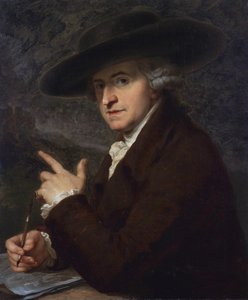
antonio zucchi
1726 - 1795
Quick Facts
- Artistic Movement Or Style: Likely influenced by Van Loo
- Artists Or Movements Influenced By This Artist:
- Chardin
- Greuze
- Artists Who Influenced This Artist: ['Jean Baptiste van Loo']
- Date Of Birth: October 15, 1726
- Full Name: Francoise Duparc
- Nationality: Spanish
- Notable Artworks:
- La tricoteuse
- Man with a sack of nuts
- Place Of Birth: Murcia, Spain

