 Preview
 Send
Send Share
Share
 Details

 Download
 Similars
 X-Ray
X-Ray Diaporama
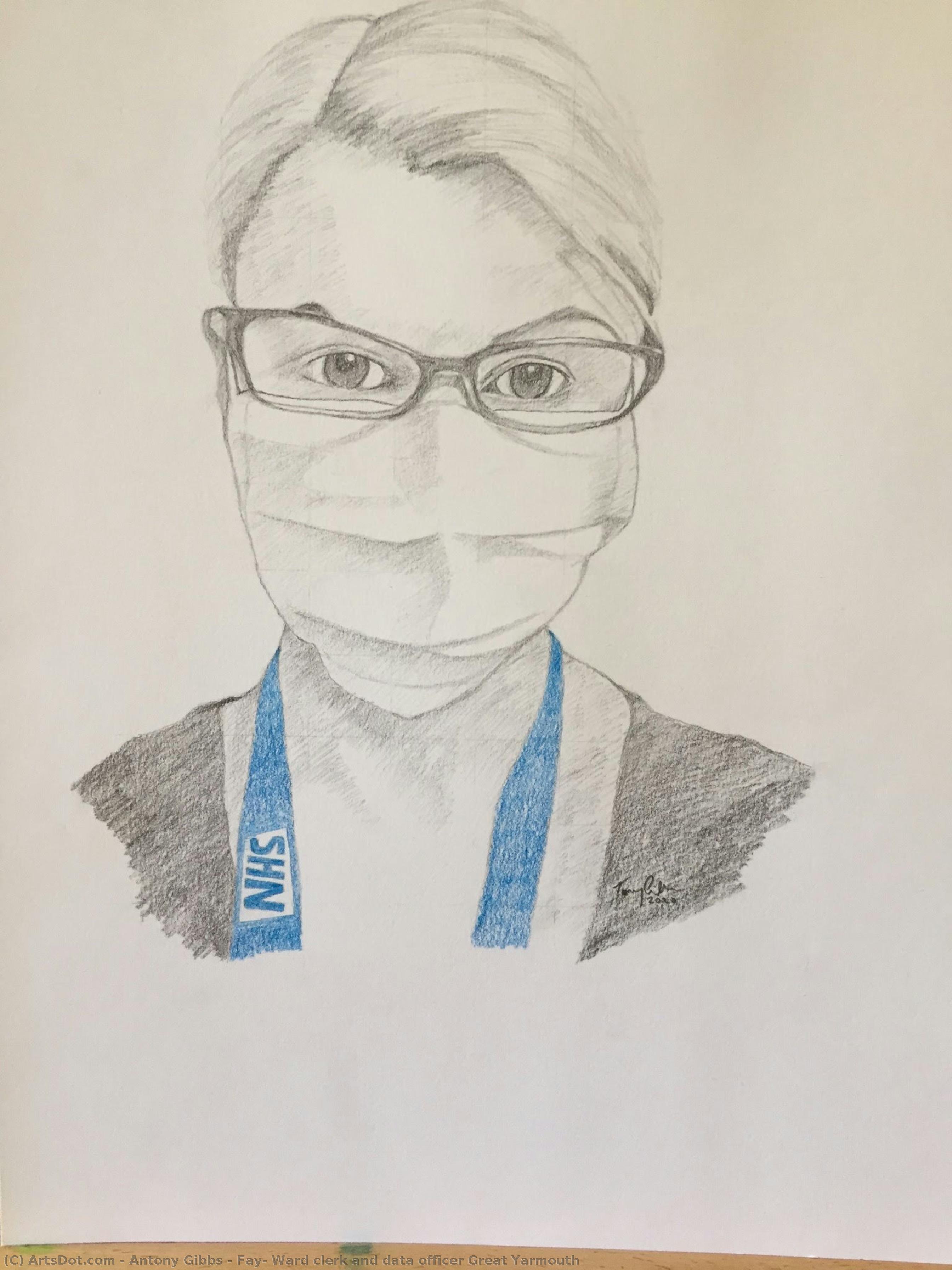
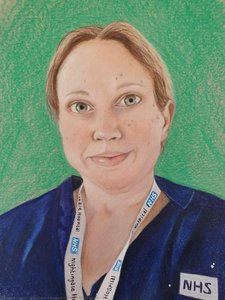
Fay, Ward clerk and data officer Great Yarmouth
 2020
2020 29.0 x 47.0 cm
 Paintings in Hospitals
 Read More
Hand Made Oil Reproduction
Hand-painted oil on canvas in your size and frame, made to order by our artists. ( Buy Print Buy Image)




































Pick from our preset sizes that match the artwork's original proportions.

You may enter your own dimensions to fit a specific frame or space. If your selected size does not match the original image's proportions, we will either crop the artwork or extend the painting with additional hand-painted elements. A digital mockup will be sent for your approval before production begins.
Please note that the on-screen preview does not reflect the actual cropping or extension. Only the mockup will accurately show the final composition.
While custom sizes are available, we recommend selecting a dimension from the predefined list to preserve the original proportions.
After order, ArtsDot.com team will email client for instructions and provide a mockup preview
Worldwide Delivery () in 3/4 weeks instead of standard 5 weeks. (28 August). No compromise on quality.

Free Worldwide Express Shipping

High-Quality Linen Canvas

Full Shipping Insurance

Customs Tax Refund Guarantee

True Color Matching Guarantee

60-Day Return Policy (Defects Only)

100% Money-Back Guarantee

Bulk Discount Offer
 Glass option is only available in size under 110 CM

Fay, Ward clerk and data officer Great Yarmouth
Reproduction Medium
Reproduction Size
-


Total Price
$ 263
Related Artworks

Artist Biography
Antony Gibbs: A Lifetime Dedicated to Cinematic Storytelling
Antony Gibbs (1925-2016) was a celebrated English film editor whose meticulous craft and collaborative spirit shaped the landscape of British cinema for over five decades. Born in London on October 17, 1925, he possessed an innate understanding of visual narrative—a skill honed through years of experience working alongside some of the most influential filmmakers of his era. Gibbs’s career spanned from the mid-1950s to the early 2000s, during which time he edited films ranging from classic dramas like Tom Jones and Fiddler on the Roof to groundbreaking thrillers and ambitious epics. His membership in the American Cinema Editors (ACE) underscored his commitment to upholding professional standards and fostering a supportive environment for fellow editors.
His formative years were marked by exposure to European art, particularly German Expressionism and Surrealism—movements that instilled in him a profound appreciation for visual symbolism and emotional depth. This artistic sensibility would undoubtedly inform his approach to editing, prioritizing atmosphere and conveying nuanced character motivations through the rhythm of the cut. Notably, he began his filmmaking journey assisting on films directed by Albrecht Dörer, a prominent German painter known for his evocative landscapes and exploration of psychological themes—a connection that speaks volumes about Gibbs’s intellectual curiosity and aesthetic sensibilities. His work was recognized by the Museum Frieder Burda in Baden-Baden, Germany, which houses an impressive collection showcasing modern and contemporary art, highlighting the enduring legacy of artistic experimentation.
Mastery of the Edit and Cinematic Legacy
Gibbs achieved considerable acclaim for his collaborations with visionary directors such as Tony Richardson, Norman Jewison, Nicolas Roeg, and Richard Lester. His ability to manipulate time and space within a frame allowed him to contribute significantly to the British New Wave era, bringing a sense of urgency and realism to the screen. Throughout his prolific career, he earned four BAFTA Award nominations for Best Editing, specifically for his work on Performance (1970), Fiddler on the Roof (1971), Rollerball (1975), and A Bridge Too Far (1977). His technical precision was matched by a profound respect for the director's vision, making him a sought-after collaborator in an era of rapid cinematic evolution.
The significance of his contribution extends beyond mere technical execution; Gibbs helped define the very language of modern film editing. By blending the following elements, he created a seamless viewing experience:
- Rhythmic Pacing: The use of temporal manipulation to heighten tension or evoke contemplative stillness.
- Visual Continuity: Maintaining a cohesive narrative flow even amidst complex, multi-layered storytelling.
- Emotional Resonance: Selecting specific frames and transitions that amplify the psychological weight of a scene.
As a two-time Primetime Emmy nominee, his influence reached far beyond the United Kingdom, leaving an indelible mark on global cinema. Antony Gibbs remains a cornerstone figure in film history, remembered not just as a technician, but as a silent storyteller who breathed life into the moving image.
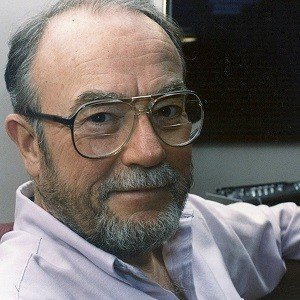
antony gibbs
1925 - 2016 , United Kingdom
Quick Facts
- Artistic Movement Or Style: Film Editing
- Artists Or Movements Influenced By This Artist: ['American Cinema Editors']
- Artists Who Influenced This Artist:
- Ernst Ludwig Kirchner
- Jan van de Cappelle
- Date Of Birth: October 17, 1925
- Date Of Death: February 26, 2016
- Full Name: Antony Gibbs
- Nationality: British
- Notable Artworks:
- Tom Jones
- Fiddler on the Roof
- Place Of Birth: London, United Kingdom