

 Preview
 Send
Send Share
Share
 Details

 Download
 Similars
 X-Ray
X-Ray Diaporama
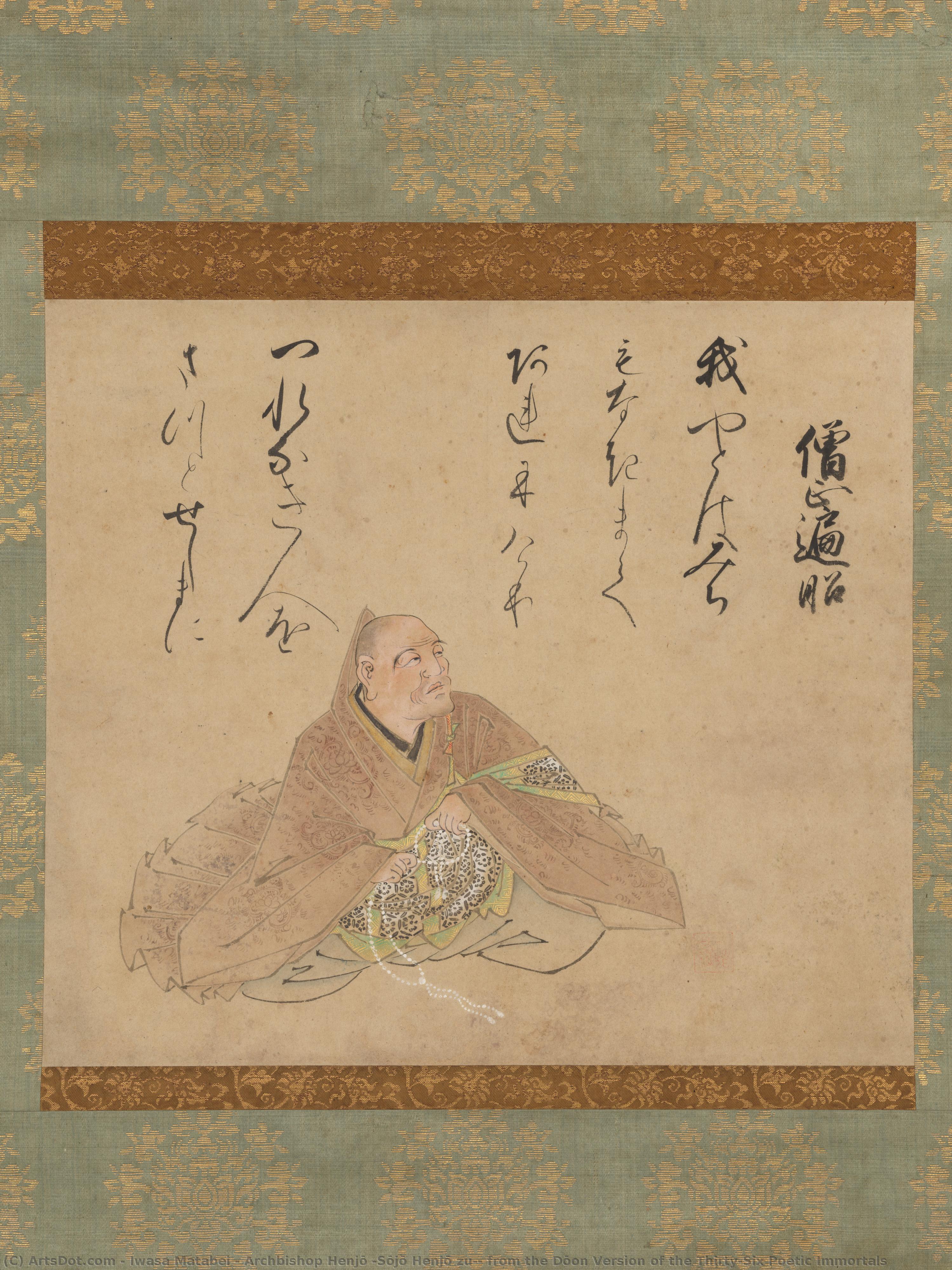
Archbishop Henjō (Sōjō Henjō zu), from the Dōon Version of the Thirty-Six Poetic Immortals
 Ink
Ink- WallArt
- Yamato-e
 1630
1630- Early Modern
 29.0 x 33.0 cm
 Read More
Purchase a high-resolution, enhanced digital image, far superior to the online preview.
Each file is meticulously prepared by our in-house specialists using advanced tools and expert manual retouching. We ensure every image has exceptional clarity, precise color accuracy, and fine detail.
The final file is delivered via email within 72 hours, optimized for immediate use in professional, editorial, and print environments. This is the same quality trusted by top-tier design studios, publishers, and galleries.
Digital Image
Download a high-resolution file for personal display, printing, and creative projects. ( Buy Print Buy Hand Made Painting)
Included in Every Digital Image Order
Expert Digital Delivery, Guaranteed
When you choose ArtsDot.com, you're not just getting an image - you're receiving a professionally enhanced digital artwork, crafted with precision and backed by a satisfaction guarantee. Here's everything that comes with your order, automatically:

Fast Email Delivery
Your high-resolution digital image file will be emailed to you within 72 hours of ordering - ready for immediate use.

AI-Enhanced Digital File
Your artwork is professionally optimized using advanced AI tools and manual editing, ensuring maximum detail, clarity, and color accuracy.

Free Lifetime Re-Delivery
Accidentally deleted or lost your file? No worries - we'll resend it to you anytime, free of charge.

No Import Fees - Ever
Enjoy your artwork instantly with zero customs, duties, or delivery fees - digital downloads are always tax-free.

Color Accuracy Guarantee
We ensure your digital image reflects the original colors as closely as possible using professional tools and color management.

60-Day Satisfaction Guarantee
If you're not satisfied with your digital image, we'll revise it or refund 100% within 60 days - no questions asked.

100% Money-Back Guarantee
Not satisfied? Get a full refund within 60 days of receiving your digital file - no questions asked.

Bulk Order Discounts
Buy 3 images, save 10% - Buy 5, save 15% - Buy 10+, save 20%. Great for creative projects, galleries, and agencies.
Collectible Description
Related Artworks
Artist Biography
early life and influences
araki katsumochi, a prominent figure in japan's early tokugawa period, left an indelible mark on the art world with his genre scenes, historical illustrations, and captivating portraits. born in 1578, katsumochi was the son of araki murashige, a notable daimyō who met a tragic end, leading to katsumochi's adoption of his mother's family name, iwasa.artistic style and technique
katsumochi's work is characterized by its distinctive figures, featuring large heads and delicately drawn features. his unique brush technique, blending tosa and kanō elements, allowed him to excel in both color and monochrome ink-wash painting. despite being trained under kanō naizen of the renowned kanō school, katsumochi's style was more heavily influenced by the tosa school.notable works and legacy
one of katsumochi's most celebrated works is the series of portraits of the thirty-six poetry immortals (1640), commissioned by tokugawa iemitsu for a temple. this masterpiece, signed as "the artist matabei of the later current from tosa mitsunobu," showcases katsumochi's skill in capturing historical events and classical literature.- rakuchu rakugai zu byōbu (funaki version), a national treasure, is held by the tokyo national museum and depicts the kyoto landscape around 1615.
- hōkoku sairei zu byōbu, an important cultural property, is housed in the tokugawa art museum and showcases katsumochi's mastery of capturing festive scenes.
- katsumochi's workshop produced magnificent emakimono (picture scrolls) based on jōruri texts, with masterpieces like yamanaka tokiwa monogatari emaki, jōruri monogatari emaki, and horie monogatari emaki being designated as important cultural properties.
controversy and legacy
there is ongoing debate among scholars regarding whether katsumochi's works are indeed ukiyo-e or not. in japan, he is often regarded as the originator of ukiyo-e, while some theories suggest he was an independent tosa school painter due to his high social class patrons. conclusion katsumochi's enigmatic life and artistic contributions have left a lasting impact on japanese art. his unique style, blending traditional techniques with innovative brushwork, continues to fascinate art enthusiasts worldwide.- explore more of katsumochi's works at https://ArtsDot.com/@/araki-katsumochi
- learn about the tosa school and its influence on japanese art at the kanō school style art movement
- discover more about katsumochi's life and works at iwasa matabei - wikipedia
references
- araki katsumochi, wikipedia, https://en.wikipedia.org/wiki/iwasa_matabei
- the kanō school style art movement, ArtsDot.com, https://ArtsDot.com/@@/a@d3cpbv-history-painting-art-movement
- araki katsumochi's paintings, ArtsDot.com, https://ArtsDot.com/@/araki-katsumochi
related artists and movements
- katsushika isai, a japanese artist known for his landscapes and genre scenes, ArtsDot.com, https://ArtsDot.com/@/katsushika-isai
- the tosa school, a style of japanese art characterized by its use of gold leaf and bold colors, ArtsDot.com, https://ArtsDot.com/@@/a@d3cpbv-history-painting-art-movement
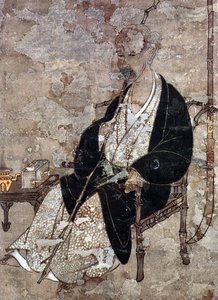
araki katsumochi
1578 - 1650 , Japan

