 Preview
 Send
Send Share
Share
 Details

 Download
 Similars
 X-Ray
X-Ray Diaporama
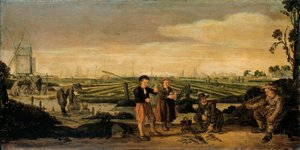
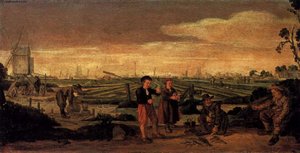
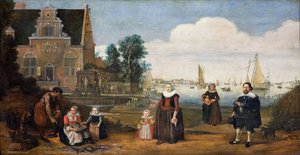
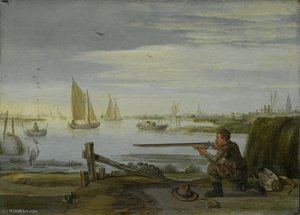
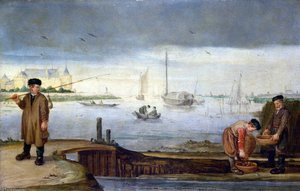
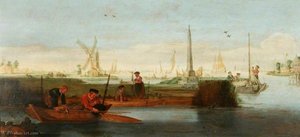
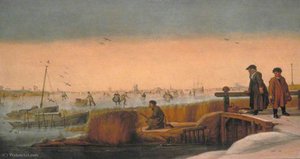
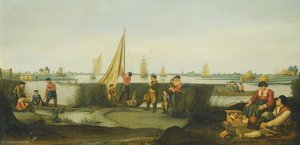
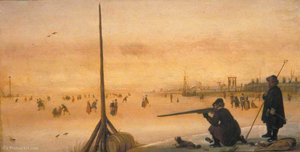
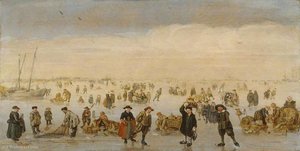
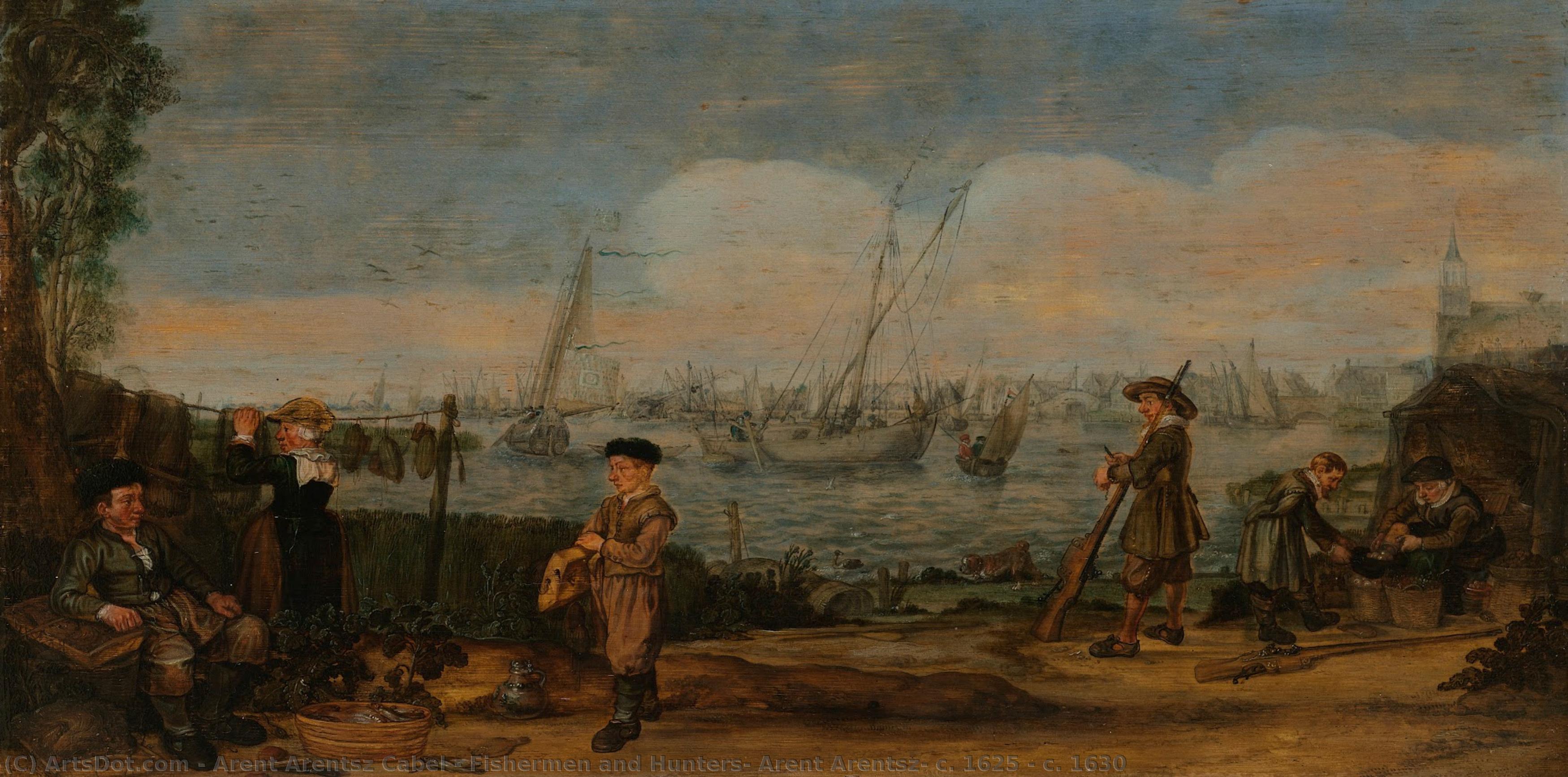
Fishermen and Hunters, Arent Arentsz, c. 1625 - c. 1630
 1630
1630 26.0 x 51.0 cm
 Read More
Giclée / Art Print
Museum-quality giclée or canvas print with fast production and flexible finish options. ( Buy Hand Made Painting Buy Image)




































Pick from our preset sizes that match the artwork's original proportions.

You may enter your own dimensions to fit a specific frame or space. If your selected size does not match the original image's proportions, we will either crop the artwork or extend the image with a mirrored or solid-fill edge. A digital mockup will be sent for your approval before production begins.
Please note that the on-screen preview does not reflect the actual cropping or extension. Only the mockup will accurately show the final composition.
While custom sizes are available, we recommend selecting a dimension from the predefined list to preserve the original proportions.
Worldwide Delivery () in 2 weeks instead of standard 4/5 weeks. (29 August)

Free Worldwide Express Shipping

High-Quality Linen Canvas

Full Shipping Insurance

Customs Tax Refund Guarantee

True Color Matching Guarantee

60-Day Return Policy (Defects Only)

100% Money-Back Guarantee

Bulk Discount Offer
 Glass option is only available in size under 110 CM

Fishermen and Hunters, Arent Arentsz, c. 1625 - c. 1630
Giclée / Art Print
Reproduction Size
-


Total Price
$ 63
Related Artworks









Artist Biography
Arent Arentsz Cabel: Painter of Tranquil Landscapes
Arent Arentsz, commonly known as cabel (born circa 1585 in Amsterdam; died August 18, 1631, Amsterdam), was a Dutch Golden Age landscape painter who achieved renown for his exquisitely rendered depictions of summer and winter vistas—primarily focused on scenes of hunting and fishing. Though relatively obscure compared to contemporaries like Rembrandt or Vermeer, Arentsz’s work possesses a distinctive charm and reflects the artistic sensibilities of his era. His signature consisted of the monogram AA, marking him as one of the many artists active during the Dutch Republic's apex of cultural flourishing.- Early Life & Training: Little is known definitively about Arentsz’s formative years. Records indicate he was born in Amsterdam, a bustling port city and center for artistic patronage. Precise details regarding his formal training remain elusive, but it’s believed he honed his skills under the tutelage of Hendrick Avercamp, whose monumental landscapes—characterized by meticulous detail and atmospheric perspective—served as a significant stylistic influence on Arentsz’s oeuvre.
- Style & Technique: Arentsz's artistic style distinguishes itself from Avercamp’s through subtle nuances. While both painters embraced the principles of topographical realism, Arentsz favored softer brushstrokes and a more luminous palette, conveying an impressionistic quality that anticipates later developments in Impressionism. He skillfully employed atmospheric perspective—the gradual blurring of distant objects—to create depth and enhance the sense of tranquility within his landscapes.
Notable Works & Artistic Achievements
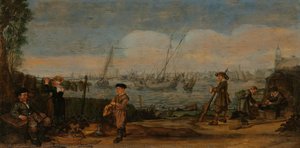
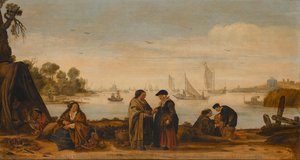
Arentsz’s artistic output comprises approximately 60 paintings, predominantly executed between 1615 and 1631. Among his most celebrated pieces are “Fishermen and Farmers,” “Fishermen and Hunters,” and “Riverlandscape with Women Fortune-Telling”—all landscapes imbued with a palpable stillness and capturing the beauty of rural life. These canvases exemplify Arentsz’s mastery of composition, color harmony, and textural rendering. Remarkably, several of his paintings reside in prestigious institutions such as the Rijksmuseum Amsterdam and the National Gallery London, ensuring their enduring legacy within art history.- Influence & Legacy: Although Arentsz’s fame didn't rival that of his peers during his lifetime, he nonetheless exerted considerable influence on subsequent generations of landscape painters. His emphasis on serene beauty and atmospheric realism foreshadowed the aesthetic ideals of Romanticism.
Burial & Historical Context
Arentsz passed away in Amsterdam in 1631 and was interred in the oude kerk (Old Church), a testament to his place within the cultural fabric of his time. The Dutch Golden Age—spanning roughly from 1580 to 1700—witnessed an unprecedented surge in artistic creativity, fueled by economic prosperity and intellectual curiosity. Artists like Arentsz thrived amidst this environment, producing works that continue to captivate audiences today with their understated elegance and evocative portrayal of the natural world.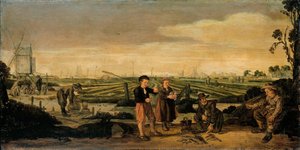
Arent Arentsz Cabel
1585 - 1631 , Netherlands
Quick Facts
- Artistic Movement Or Style: Dutch Golden Age Landscape Painting
- Artists Who Influenced This Artist: Hendrick Avercamp
- Date Of Birth: Amsterdam, Netherlands (1585)
- Date Of Death: 1631
- Full Name: Arent Arentsz Cabel
- Nationality: Dutch
- Notable Artworks:
- Fishermen and Farmers
- Fishermen and Hunters
- Riverlandscape with Women Fortune-Telling
- Place Of Birth: Amsterdam