 Preview
 Send
Send Share
Share
 Details

 Download
 Similars
 X-Ray
X-Ray Diaporama
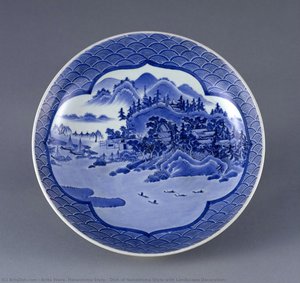
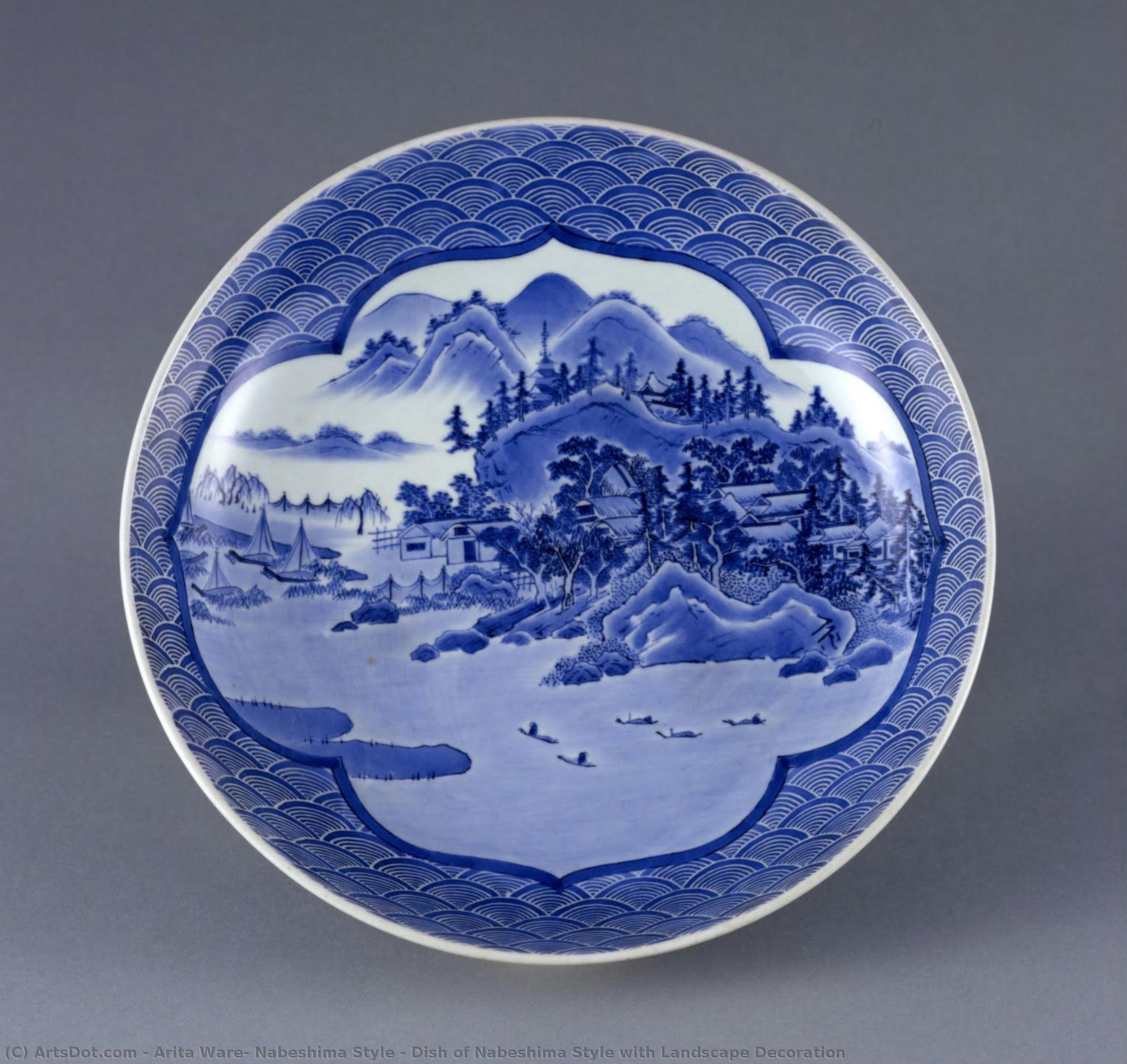
Dish of Nabeshima Style with Landscape Decoration
 29.0 x 29.0 cm
 Fukuoka Art Museum
 Read More
Hand Made Oil Reproduction
Hand-painted oil on canvas in your size and frame, made to order by our artists. ( Buy Print Buy Image)




































Pick from our preset sizes that match the artwork's original proportions.

You may enter your own dimensions to fit a specific frame or space. If your selected size does not match the original image's proportions, we will either crop the artwork or extend the painting with additional hand-painted elements. A digital mockup will be sent for your approval before production begins.
Please note that the on-screen preview does not reflect the actual cropping or extension. Only the mockup will accurately show the final composition.
While custom sizes are available, we recommend selecting a dimension from the predefined list to preserve the original proportions.
After order, ArtsDot.com team will email client for instructions and provide a mockup preview
Worldwide Delivery () in 3/4 weeks instead of standard 5 weeks. (25 August). No compromise on quality.

Free Worldwide Express Shipping

High-Quality Linen Canvas

Full Shipping Insurance

Customs Tax Refund Guarantee

True Color Matching Guarantee

60-Day Return Policy (Defects Only)

100% Money-Back Guarantee

Bulk Discount Offer
 Glass option is only available in size under 110 CM

Dish of Nabeshima Style with Landscape Decoration
Reproduction Medium
Reproduction Size
-


Total Price
$ 263
Artwork Description
Related Artworks









Artist Biography
The Enduring Legacy of Nabeshima Ware
Nabeshima ware, a name synonymous with refined elegance and meticulous craftsmanship, represents a unique chapter in the history of Japanese porcelain. Emerging from the kilns of Ōkawachi, managed directly by the Saga Domain under the Nabeshima clan from the 17th to the 19th centuries, this exceptional pottery wasn’t born from commercial ambition but rather as an expression of aristocratic taste and a symbol of power. While often considered a variant of Imari ware due to its geographical proximity – located in what is now Imari, Saga Prefecture – Nabeshima distinguished itself through a distinctive technique and purpose. Unlike its more widely traded counterparts, Nabeshima ware was not intended for the open market; it was reserved exclusively for the use of the Nabeshima clan and as prestigious gifts for the Tokugawa shogunate and other powerful daimyō, solidifying its status as a treasure created for an elite audience.A Technique Rooted in Precision
The defining characteristic of Nabeshima ware lies in its unique method of decoration. While most Japanese porcelain relies on single-layer glazing, Nabeshima employs a two-stage process that demands exceptional skill and patience. The initial outlines of the design are meticulously rendered in underglaze blue – a technique borrowed from Chinese traditions but adapted with remarkable finesse. This is then followed by an overglaze “enamelled” final decoration, applied with vibrant colors and intricate detail. This layering creates a depth and luminosity rarely seen in other porcelain styles. The designs themselves often feature natural motifs—landscapes, birds, flowers, and auspicious symbols—executed with a remarkable sense of balance and harmony. The mastery of the artisans lay not only in their brushwork but also in their ability to control the flow of the enamels, achieving subtle gradations of color and texture. The result is a porcelain that exudes both strength and delicacy, reflecting the refined sensibilities of its patrons.Origins and the Influence of Hizen Porcelain
Nabeshima ware’s story is inextricably linked to the broader history of Hizen porcelain – encompassing Arita and Imari wares – which flourished in northwestern Kyūshū island from the early 17th century onwards. The foundations were laid by Korean potters brought to Japan during the Japanese invasions of Korea (1592–1598), who introduced new techniques and a deep understanding of ceramic materials. The discovery of white porcelain clay in Izumiyama, Arita, in 1616 proved pivotal, sparking a wave of innovation that transformed the region into a leading center for porcelain production. While Imari ware quickly gained prominence as an export commodity, catering to Western tastes with its bold designs and vibrant colors, Nabeshima ware remained firmly rooted in Japanese aesthetics, serving the needs of the ruling class. The kilns themselves underwent several relocations—from Iwayagawachi to Nangawara and finally to Ōkawachi—each move reflecting a desire for improved clay sources or greater control over production.Decline and Revival: Preserving a Legacy
With the abolition of the feudal domains in 1871, the exclusive patronage that sustained Nabeshima ware vanished, leading to its discontinuation. For decades, the techniques and traditions associated with this remarkable porcelain seemed destined for oblivion. However, the legacy was preserved by the Imaizumi Imaemon family—descendants of the master lineage who dedicated themselves to reviving the art form. Through tireless efforts, they meticulously reconstructed the lost processes and reintroduced Nabeshima ware to a new generation. Today, their work ensures that this exquisite porcelain continues to be produced, embodying the same dedication to craftsmanship and artistic excellence that defined its origins. The revival is not merely a replication of past styles but also an ongoing exploration of new possibilities within the established framework, demonstrating the enduring relevance of Nabeshima ware in contemporary art.Historical Significance: A Symbol of Aristocratic Power
Nabeshima ware stands as more than just a beautiful object; it’s a tangible representation of aristocratic power and refined taste during Japan's Edo period. The fact that it was never intended for sale, but rather reserved for the exclusive use of the Nabeshima clan and as gifts to other high-ranking officials, underscores its symbolic importance. The porcelain served as a visual declaration of status, demonstrating the clan’s wealth, authority, and cultural sophistication. Its designs often incorporated auspicious motifs, conveying wishes for prosperity, longevity, and good fortune—messages carefully curated for those who received these precious gifts. The meticulous craftsmanship and attention to detail reflected not only artistic skill but also a commitment to upholding tradition and maintaining the clan’s prestige. Even today, Nabeshima ware is highly sought after by collectors and museums worldwide, serving as a testament to its enduring beauty and historical significance—a lasting legacy of an era defined by elegance, power, and artistic innovation.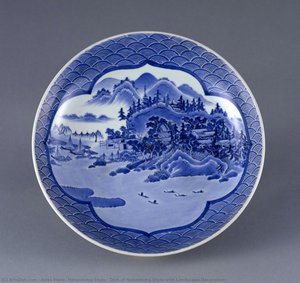
Quick Facts
- Artistic Movement Or Style: Japanese porcelain
- Full Name: Arita Ware, Nabeshima Style
- Nationality: Japan
- Notable Artworks:
- Nabeshima ware dish
- Landscape decoration