 Preview
 Send
Send Share
Share
 Details

 Download
 Similars
 X-Ray
X-Ray Diaporama
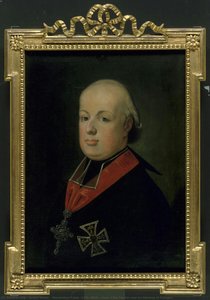
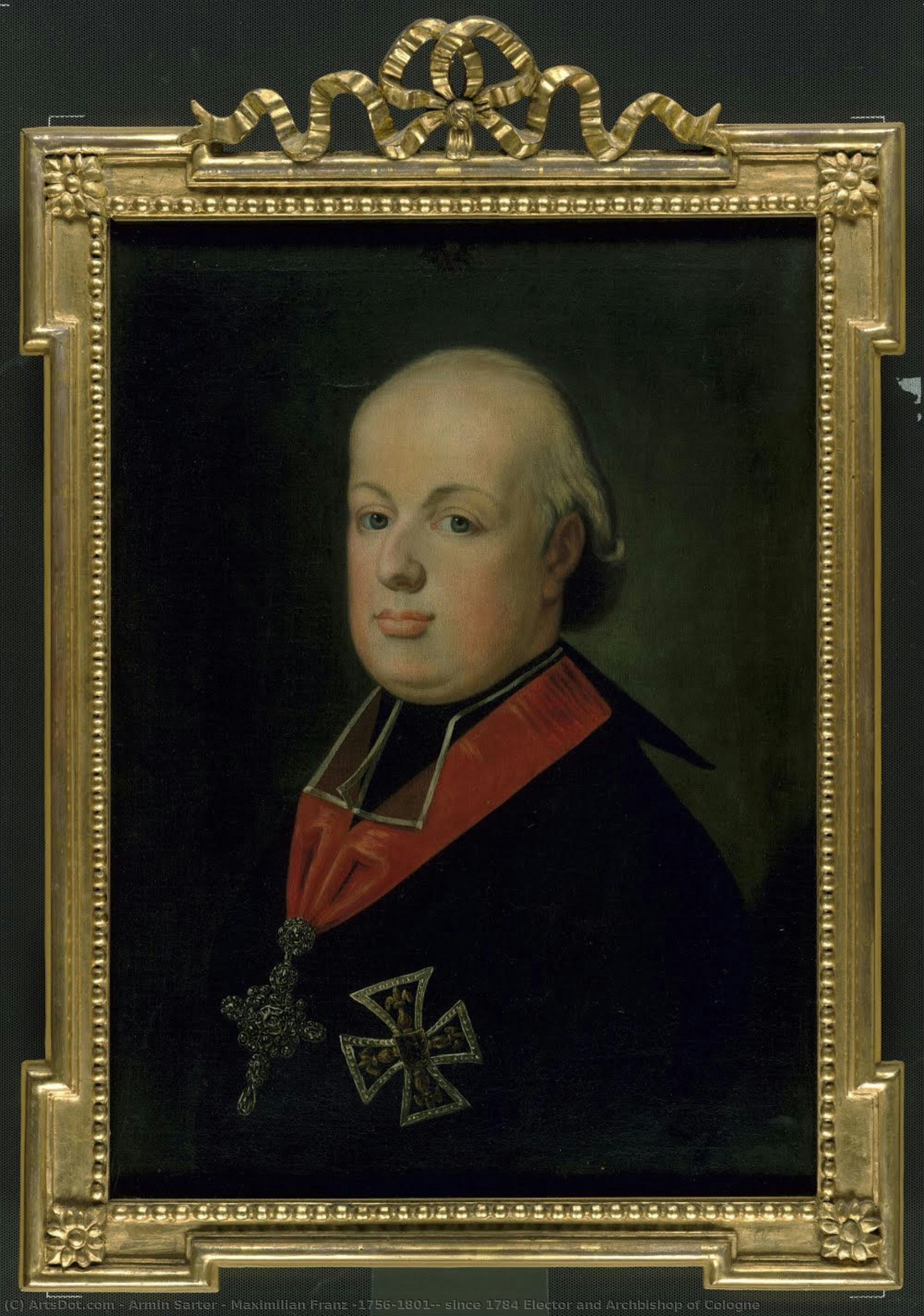
Maximilian Franz (1756-1801), since 1784 Elector and Archbishop of Cologne
 Oil On Canvas
- WallArt
- Romantic Realism
 1890
1890 107.0 x 83.0 cm
 Beethoven-Haus Bonn
 Read More
Hand Made Oil Reproduction
Hand-painted oil on canvas in your size and frame, made to order by our artists. ( Buy Print Buy Image)




P118B $10

P118H $10

P118W $10

P438Z $10

P508JH $12

P508YH $12

P805H $10

P805Z $10

P919BZ $10

P919G $10

P919XJ $10

P959ZH $10

P968JZ $12

W106C $8

W218G $10

W218JH $8

W218Y $10

W307PJ $10

W316G $10

W316PJ $8

W316Y $10

W398PJ $8

W4111J $10

W500HY $15

W500JH $15

W692G $12

W849H $8

W940BG $15

W953PJ $8




Pick from our preset sizes that match the artwork's original proportions.

You may enter your own dimensions to fit a specific frame or space. If your selected size does not match the original image's proportions, we will either crop the artwork or extend the painting with additional hand-painted elements. A digital mockup will be sent for your approval before production begins.
Please note that the on-screen preview does not reflect the actual cropping or extension. Only the mockup will accurately show the final composition.
While custom sizes are available, we recommend selecting a dimension from the predefined list to preserve the original proportions.
After order, ArtsDot.com team will email client for instructions and provide a mockup preview
Worldwide Delivery () in 3/4 weeks instead of standard 5 weeks. (26 August). No compromise on quality.

Free Worldwide Express Shipping

High-Quality Linen Canvas

Full Shipping Insurance

Customs Tax Refund Guarantee

True Color Matching Guarantee

60-Day Return Policy (Defects Only)

100% Money-Back Guarantee

Bulk Discount Offer
 Glass option is only available in size under 110 CM

Maximilian Franz (1756-1801), since 1784 Elector and Archbishop of Cologne
Reproduction Medium
Reproduction Size
-


Total Price
$ 263
Artwork Description
A Portrait of Imperial Authority: Maximilian Franz
This meticulously rendered portrait, measuring 107 x 83 cm, presents a compelling glimpse into the life of Maximilian Franz (1756-1801), Elector and Archbishop of Cologne during the late 18th century. Executed in 1890 by Armin Sarter, a prominent German artist born in Bonn in 1837, this work transcends a simple likeness; it’s an embodiment of imperial power, religious authority, and the carefully constructed image of a European ruler.
- Subject: The central figure is Maximilian Franz himself, depicted with a commanding presence. His attire – a black suit adorned with a prominent cross and framed by a flowing red cape – immediately signifies his dual roles as both a secular ruler and a high-ranking member of the Catholic Church.
- Artist: Armin Sarter (1837-1897), working in the tradition of academic portraiture, demonstrates remarkable skill in capturing detail and conveying character. His background includes influences from John Constable, known for his revolutionary approach to landscape painting, suggesting a sensitivity to light and atmosphere within this formal genre.
- Date & Context: Created in 1890, the painting reflects a period of significant political and social change across Europe. The late 19th century saw a renewed interest in historical portraiture, often commissioned by wealthy patrons seeking to commemorate family legacies or display their connections to prominent figures.
Technical Brilliance and Artistic Style
Sarter’s technique is characterized by a meticulous attention to detail – evident in the rendering of Maximilian Franz's facial features, the texture of his clothing, and the intricate folds of the cape. The use of oil paints allows for rich colors and subtle gradations, creating a sense of depth and realism. The gold frame surrounding the artwork further elevates its aesthetic quality, suggesting a piece intended for display within a grand salon or private collection. The painting adheres to the conventions of academic portraiture prevalent during the period, prioritizing accurate representation and classical composition.
- Medium: Oil on canvas
- Style: Academic Portraiture – characterized by precise detail, realistic depiction, and adherence to established compositional rules.
- Technique: Sarter employs glazing techniques to build up layers of color, creating luminosity and depth within the portrait. The brushwork is controlled and refined, contributing to the overall sense of polished elegance.
Symbolism and Representation
The symbolism embedded within the painting speaks volumes about Maximilian Franz’s position and authority. The red cape, a traditional symbol of military power and nobility, underscores his role as an elector – a member of the German royal families who held significant political influence. The cross, prominently displayed on his attire, represents his ecclesiastical office as Archbishop of Cologne, highlighting the intertwining of secular and religious domains within his life. The white collar further emphasizes his status as a clergyman.
- Color Palette: Dominated by dark tones – black, red, and gold – conveying seriousness, power, and wealth.
- Composition: The formal arrangement of the figure reflects the hierarchical structure of 18th-century society.
Emotional Impact and Collector’s Value
Beyond its historical significance, this portrait possesses a powerful emotional impact. Maximilian Franz's gaze – direct and unwavering – commands attention and evokes a sense of authority and gravitas. This hand-painted reproduction offers an exceptional opportunity to own a piece of art history, capturing not only the likeness of a significant figure but also the artistic skill and craftsmanship of Armin Sarter. Its size (107 x 83 cm) makes it suitable for a variety of interior design settings, from formal studies to elegant living rooms. It’s a valuable addition to any collection of historical art or a statement piece for discerning collectors.
Related Artworks


Artist Biography
John Constable: A Revolutionary of Light and Landscape
Born in 1776 in the serene Suffolk countryside, John Constable’s life was inextricably linked to the landscapes he so passionately depicted. His early years were shaped by his father's role as a corn merchant and owner of Flatford Mill, an environment that instilled within him a deep appreciation for the rhythms of rural life and the ever-changing qualities of light upon the water and fields. Unlike many artists of his time who sought patronage in London, Constable remained rooted in Dedham, Essex, transforming his home village into the very heart of his artistic world – a decision that profoundly influenced his unique style and subject matter. This deliberate choice to paint “my own places best,” as he famously declared, marked a significant departure from prevailing artistic conventions, prioritizing personal observation and emotional resonance over idealized representations.
Constable’s artistic journey began with formal training in art school, but it was through independent study and tireless plein-air sketching that he truly developed his distinctive technique. He meticulously observed the nuances of light and shadow, capturing the subtle shifts in color and atmosphere with remarkable accuracy. Unlike the smooth, polished surfaces favored by many of his contemporaries, Constable’s paintings often retained a sense of immediacy and texture, reflecting the rough brushstrokes and visible layers of paint that testified to his direct engagement with nature. His early works, such as *The Hay Wain* (1820), quickly gained popularity, capturing the quintessential charm of rural England and establishing him as a leading figure in the Romantic movement.
The Influence of Romanticism and the Dedham Vale
Constable’s work is firmly rooted within the tenets of Romanticism, an artistic and intellectual movement that emphasized emotion, imagination, and the sublime power of nature. He shared with other Romantic painters a fascination with the untamed beauty of the English countryside, rejecting the rigid formality of Neoclassicism in favor of a more expressive and subjective approach to art. However, Constable’s Romanticism was uniquely informed by his deep connection to the landscape surrounding Dedham – an area he affectionately termed “Constable Country.”
The *Dedham Vale* series, beginning with *Dedham Vale* (1821) and culminating in works like *Mill Pond at Dedham* (1822), represents the pinnacle of Constable’s artistic vision. These paintings are not merely depictions of a specific location; they are profound meditations on the relationship between humanity and nature. Through his masterful use of light, color, and composition, Constable conveyed a sense of tranquility, solitude, and spiritual connection – inviting viewers to lose themselves in the beauty and serenity of the rural landscape.
Technique and Innovation
Constable’s artistic technique was characterized by a remarkable sensitivity to light and atmosphere. He employed a broken brushstroke technique, layering thin washes of color upon each other to create a shimmering effect that captured the fleeting qualities of sunlight. His use of complementary colors – such as blue and orange – further enhanced the vibrancy and luminosity of his paintings. Unlike many artists who worked primarily in the studio, Constable spent countless hours outdoors, sketching directly from nature and developing an intuitive understanding of how light transformed the appearance of landscapes.
Furthermore, Constable’s approach to depicting water was revolutionary. He abandoned the traditional practice of painting reflections as perfect mirror images, instead opting for a more nuanced representation that captured the movement and turbulence of the river – often using a technique known as “atmospheric perspective” to create a sense of depth and distance. This innovative approach set him apart from his contemporaries and established him as a pioneer in landscape painting.
Legacy and Recognition
Despite achieving considerable popularity during his lifetime, Constable’s financial success was limited. He struggled to sell his paintings, and his unconventional artistic methods were often met with criticism by the conservative art establishment of London. However, his work gradually gained recognition after his death in 1837, and today he is regarded as one of the most important landscape painters in British history. His influence can be seen in the works of later artists, including J.M.W. Turner and the Barbizon School painters in France.
Constable’s legacy extends beyond his artistic achievements. He demonstrated the power of personal observation and emotional expression in art, paving the way for future generations of landscape painters to explore their own unique visions of the natural world. His dedication to capturing the beauty and tranquility of the English countryside continues to inspire artists and viewers alike, solidifying his place as a true visionary of the Romantic era.

armin sarter
1837 - 1897 , Germany
Quick Facts
- Artistic Movement Or Style: Romanticism
- Artists Or Movements Influenced By This Artist: ['Barbizon school']
- Artists Who Influenced This Artist: ['J.M.W. Turner']
- Date Of Birth: 11 June 1776
- Date Of Death: 31 March 1837
- Full Name: John Constable
- Nationality: English
- Notable Artworks:
- The Hay Wain
- Dedham Vale
- Wivenhoe Park
- Place Of Birth: East Bergholt, Suffolk
Related Articles

Romantic Realism's Finest: 10 Masterpieces for Your Home | ArtsDot
Explore 10 defining masterpieces of Romantic Realism! Discover Courbet, Millet & Daumier's powerful paintings—capturing emotion and social realities. Find museum-quality reproductions for your home at ArtsDot.com.
The Evocative Embrace of Reality: Exploring Romantic Realism in 19th-Century Painting
Explore the captivating world of Romantic Realism! Discover key artists like Courbet & Millet, masterpieces, and the social context behind this influential art movement. Expert insights for collectors at ArtsDot.
The Poetic Truth of Observation: Exploring 19th-Century Realism in Painting
Explore the captivating world of 19th-century Realism! Discover key artists like Courbet & Millet, masterpieces, and the powerful social commentary behind this influential art movement. Expert insights at ArtsDot.
Academic Realism's Finest: 10 Masterpieces for Art Lovers & Home Decor
Explore 10 defining Academic Realism masterpieces by Bouguereau, Gérôme & Cabanel. Discover the stories behind these iconic paintings and bring timeless art into your home with museum-quality reproductions from ArtsDot.com. Explore the full collection online!

19th Century Masterpieces: 10 Paintings That Defined an Era | ArtsDot
Journey through 19th century art with ArtsDot! Explore 10 iconic paintings – from Monet & Renoir to Courbet – and discover the stories behind Romanticism, Realism & Impressionism. Find museum-quality reproductions for your home decor. Explore the full collection online!