 Preview
 Send
Send Share
Share
 Details

 Download
 Similars
 X-Ray
X-Ray Diaporama
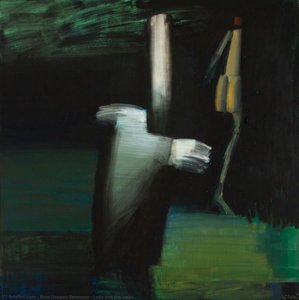
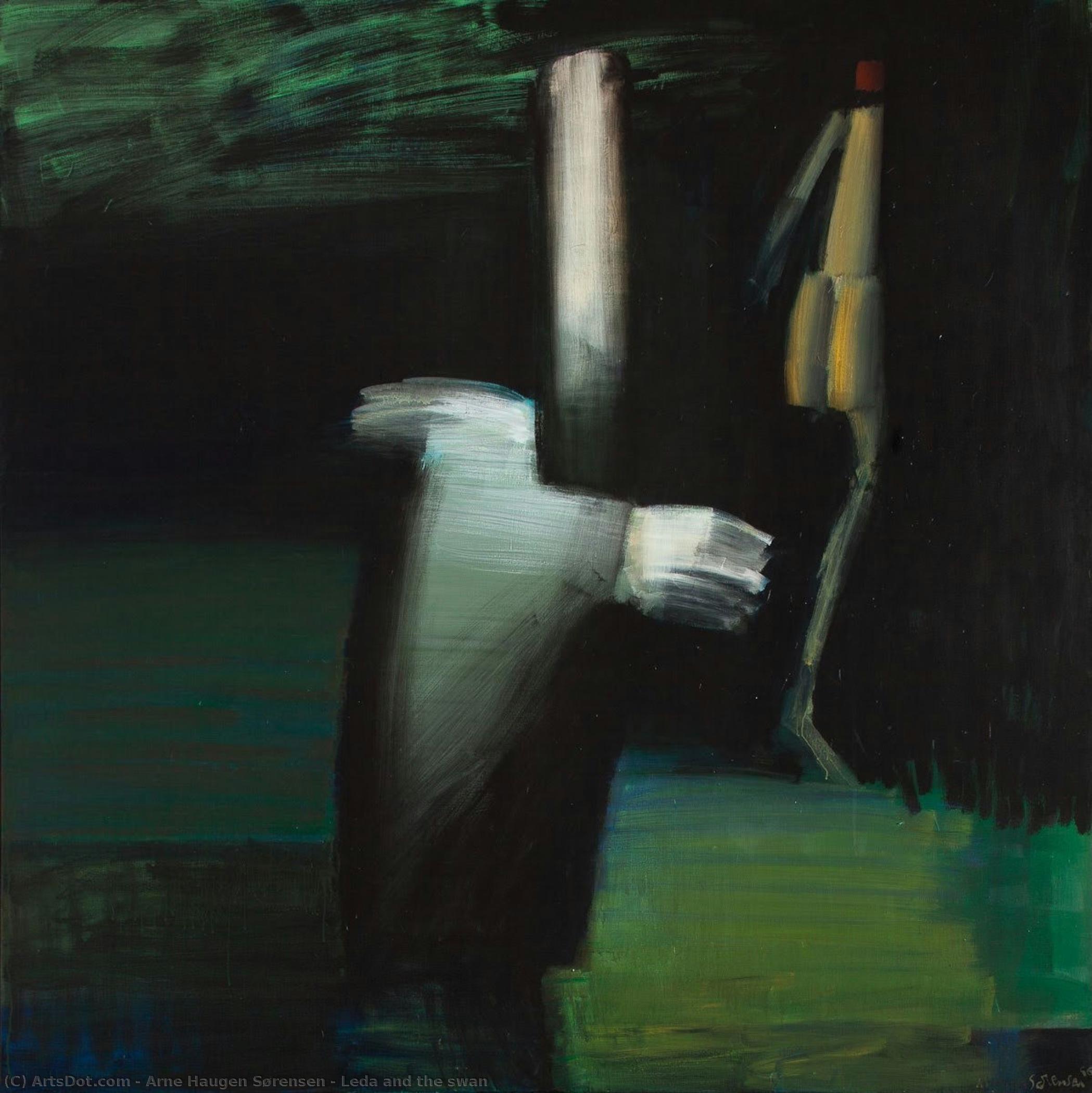
Leda and the swan
 Acrylic On Canvas
- WallArt
- Expressionist Painting
 220.0 x 220.0 cm
 The Danish Parliament
 Read More
Giclée / Art Print
Museum-quality giclée or canvas print with fast production and flexible finish options. ( Buy Hand Made Painting Buy Image)




P118B $10

P118H $10

P118W $10

P438Z $10

P508JH $12

P508YH $12

P805H $10

P805Z $10

P919BZ $10

P919G $10

P919XJ $10

P959ZH $10

P968JZ $12

W106C $8

W218G $10

W218JH $8

W218Y $10

W307PJ $10

W316G $10

W316PJ $8

W316Y $10

W398PJ $8

W4111J $10

W500HY $15

W500JH $15

W692G $12

W849H $8

W940BG $15

W953PJ $8




Pick from our preset sizes that match the artwork's original proportions.

You may enter your own dimensions to fit a specific frame or space. If your selected size does not match the original image's proportions, we will either crop the artwork or extend the image with a mirrored or solid-fill edge. A digital mockup will be sent for your approval before production begins.
Please note that the on-screen preview does not reflect the actual cropping or extension. Only the mockup will accurately show the final composition.
While custom sizes are available, we recommend selecting a dimension from the predefined list to preserve the original proportions.
Worldwide Delivery () in 2 weeks instead of standard 4/5 weeks. (22 August)

Free Worldwide Express Shipping

High-Quality Linen Canvas

Full Shipping Insurance

Customs Tax Refund Guarantee

True Color Matching Guarantee

60-Day Return Policy (Defects Only)

100% Money-Back Guarantee

Bulk Discount Offer
 Glass option is only available in size under 110 CM

Leda and the swan
Giclée / Art Print
Reproduction Size
-


Total Price
$ 63
Collectible Description
A Dance with Myth and Majesty: Arne Haugen Sørensen’s “Leda and the Swan”
Arne Haugen Sørensen's "Leda and the Swan," a monumental oil painting measuring 220 x 220 cm, isn’t merely a depiction of a classical myth; it’s an immersive experience—a visceral encounter with power, vulnerability, and the enduring allure of ancient narratives. Born in Copenhagen in 1932, Sørensen has dedicated his career to translating profound spiritual themes into strikingly dramatic visual forms, earning him recognition as one of Denmark's most compelling figurative artists. This particular work, created around 1996, exemplifies his signature style: a potent blend of Expressionist fervor and meticulously rendered detail, resulting in images that are both deeply personal and universally resonant.
The subject itself—the abduction of Leda by Zeus disguised as a swan—is one steeped in legend. According to Greek mythology, Leda, queen of Sparta, was seduced by the god Zeus, who transformed himself into a magnificent white swan to entice her. The resulting union produced not only Helen of Troy (a pivotal figure in the Trojan War) but also four infant sons. Sørensen doesn’t shy away from the inherent drama and complex emotions embedded within this story—the illicit encounter, the vulnerability of Leda, and the overwhelming power of the divine. He avoids a purely allegorical approach, instead presenting a raw, almost primal scene that speaks to fundamental human experiences of desire, betrayal, and the acceptance of fate.
The Language of Color and Texture
Sørensen’s technique is immediately arresting. The painting explodes with vibrant color—deep blues and greens dominate the background, creating a sense of turbulent atmosphere, while flashes of crimson and gold punctuate the scene, symbolizing both the divine intervention and the passionate intensity of the moment. He employs an impasto technique, building up thick layers of paint to create a palpable textural surface. The brushstrokes are bold and dynamic, conveying movement and energy—the flapping wings of the swan, Leda’s languid pose, and the implied struggle within her. This physicality invites the viewer into the scene, drawing them close to the drama unfolding before their eyes.
Notably, Sørensen utilizes a distinctive “skrift” – a unique brushstroke style characterized by long, sweeping lines that create an almost calligraphic effect. This technique isn’t simply decorative; it adds to the painting's emotional weight and sense of urgency. The swirling patterns evoke both the chaos of the mythological event and the artist’s own passionate engagement with the subject matter.
Symbolism and Spiritual Resonance
Beyond the immediate narrative, “Leda and the Swan” is rich in symbolic meaning. The swan itself represents divine power, beauty, and transformation—a potent symbol frequently associated with deities like Apollo and Zeus. Leda’s vulnerability underscores the precariousness of human existence within a world governed by capricious gods. The presence of the infant children, nestled amongst the broken eggshells, speaks to themes of lineage, legacy, and the cyclical nature of life and death. The lone figure of a traveler ascending a mountain path in the background adds another layer of interpretation—a representation of wisdom seeking enlightenment or perhaps a reminder of humanity’s journey towards spiritual understanding.
A Legacy of Faith and Vision
Arne Haugen Sørensen's work transcends mere illustration; it is a profound meditation on faith, morality, and the human condition. His prolific output—decorating over twenty-five churches across Denmark—testifies to his unwavering commitment to conveying spiritual narratives through powerful visual imagery. “Leda and the Swan” stands as a testament to his artistic vision, demonstrating his ability to seamlessly blend classical mythology with deeply personal expression. Reproductions of this captivating artwork offer a window into Sørensen’s world, allowing viewers to experience the drama, emotion, and symbolic richness of this enduring masterpiece.
Related Artworks
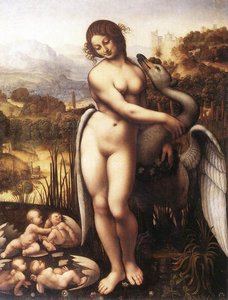
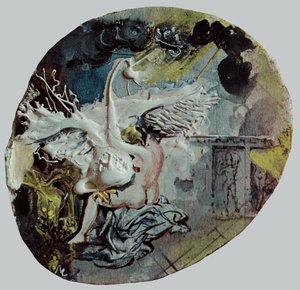
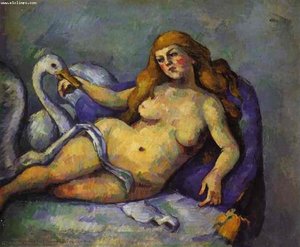
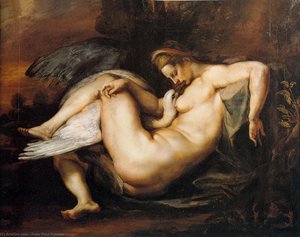
Artist Biography
Arne Haugen Sørensen: A Forceful Vision of Faith Through Bold Expression
Arne Haugen Sørensen (1932-Present) stands as a singular figure in Danish art, recognized primarily for his prolific output of religious paintings adorning over twenty-five churches across Denmark. Despite lacking formal artistic training—he embarked on his creative journey independently—Sørensen swiftly gained prominence at the Kunstnernes Efterårsudstilling (Artists’ Autumn Exhibition) in 1953, establishing a career marked by unwavering dedication to conveying profound spiritual themes.
- Early Life and Artistic Beginnings: Sørensen's formative years instilled within him a deep appreciation for visual storytelling. He honed his skills through self-study, absorbing influences from Expressionist masters like Edvard Munch and Oskar Kokoschka, whose emotive palettes and psychologically charged compositions resonated deeply with his artistic sensibilities.
- Public Commissions & Expanding Horizons: Sørensen’s reputation grew exponentially after the 1980s when he began accepting commissions for ecclesiastical projects. These undertakings demanded a distinctive approach—integrating figurative elements alongside abstract forms—resulting in monumental canvases that powerfully communicate biblical narratives and evoke spiritual contemplation. Notable projects include interior decorations at Copenhagen Airport and Folketeatret, showcasing his versatility as an artist.
- Recognition & Awards: Sørensen’s artistic merit was formally acknowledged through prestigious accolades such as the Eckersberg Medal (1975) and Thorvaldsen Medal (1984), cementing his position as a leading voice in Danish art. He is also affiliated with Grønningen, an artist group committed to fostering collaborative creativity and pushing artistic boundaries.
- Museum Presence & Artistic Legacy: Sørensen’s artwork finds its home in esteemed institutions like Sorø Kunstmuseum, which houses a comprehensive collection of Danish and Nordic art—a testament to his enduring impact on the cultural landscape. His distinctive style—characterized by vibrant colors, dynamic brushstrokes, and textured surfaces—continues to inspire artists today.
Sørensen’s Artistic Style: Bold Color & Textured Expression
At the core of Sørensen's artistic practice lies a commitment to conveying emotion through visual language. He predominantly utilizes oil on canvas, favoring bold color palettes that pulsate with energy and intensity—often mirroring the fervor of religious iconography. His technique is marked by impasto, applying thick layers of paint onto the surface to create palpable textural depth and simulating the physicality of biblical events.
- Expressionist Influences: Sørensen’s stylistic choices are undeniably rooted in Expressionism, mirroring Munch's exploration of psychological turmoil and Kokoschka’s unflinching portrayal of human vulnerability.
- Abstraction & Symbolism: While retaining recognizable figures—particularly biblical narratives—Sørensen skillfully incorporates abstract shapes and forms to amplify the emotional impact of his paintings. These elements serve as conduits for conveying spiritual concepts beyond literal representation.
- Notable Series: Sørensen’s ‘Viznar’ series exemplifies this approach, presenting dramatic depictions of mythological confrontations imbued with symbolic significance—a hallmark of his artistic vision.
Significant Works & Collections
Among Sørensen's most celebrated creations is ‘Viznar 5,’ a monumental canvas depicting a clash between mythical figures in hues that command attention and convey palpable dynamism. This artwork resides within the National Gallery of Denmark’s collection, underscoring its artistic merit and enduring appeal.
- ‘Viznar 5’: A masterful blend of figurative representation and abstract expressionism—a testament to Sørensen's ability to distill complex narratives into visually arresting compositions.
- ‘Susannah & The Elder’ & ‘Leda & The Swan’: These paintings exemplify Sørensen’s exploration of themes related to faith, vulnerability, and mythological storytelling through emotionally charged imagery and textured surfaces.
Historical Significance
Arne Haugen Sørensen's contribution to Danish art transcends mere aesthetic beauty; he represents a pivotal voice in articulating spiritual beliefs within the visual arts during the latter half of the 20th century. His distinctive style—characterized by boldness, conviction, and an unwavering dedication to conveying profound emotional resonance—continues to inspire artists and captivate audiences alike.
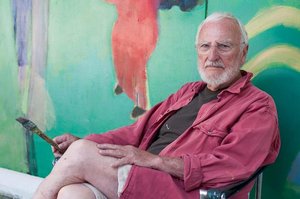
arne haugen sørensen
1932 - , Denmark
Quick Facts
- Artistic Movement Or Style: Expressionism
- Date Of Birth: April 27, 1932
- Date Of Death: Living
- Full Name: Arne Haugen Sørensen
- Nationality: Danish
- Notable Artworks:
- Viznar 5
- Susannah and the Elder
- Leda and the swan
- Place Of Birth: Copenhagen, Denmark
Related Articles

Illuminating Faith: Biblical Narrative & Artistic Expression Through the Ages
Explore the rich history of biblical art from Giotto to the Renaissance masters with ArtsDot. Discover symbolism, techniques & enduring legacies. Museum-quality reproductions & expert insights.
Illuminating Faith: Biblical Scenes & Their Enduring Legacy in Art History
Explore the profound history of biblical art! Discover Renaissance masterpieces by Giotto & more. Uncover symbolism, artistic techniques, and lasting influence. Expert insights at ArtsDot.
Sacred Narratives on Canvas: Exploring Biblical Art Across Centuries
Explore the rich history of biblical art from Giotto to the Renaissance masters. Discover symbolism, techniques & enduring legacies with ArtsDot – your source for museum-quality reproductions and expert art insights.

Rembrandt's Masterpieces: Explore 25 Iconic Paintings & Prints | ArtsDot
Journey through Rembrandt van Rijn's 25 most iconic paintings & etchings. Explore Dutch Golden Age masterpieces, dramatic chiaroscuro, and timeless portraits. Find museum-quality art reproductions to elevate your home decor on ArtsDot.com.
Harold Copping: A Life Depicted – Exploring the Narrative Power of a Golden Age Illustrator
Explore the life and art of Harold Copping, renowned for his beautiful biblical illustrations and Victorian depictions. Discover the story behind 'The Copping Bible' and his lasting impact on religious art history.