 Preview
 Send
Send Share
Share
 Details

 Download
 Similars
 X-Ray
X-Ray Diaporama
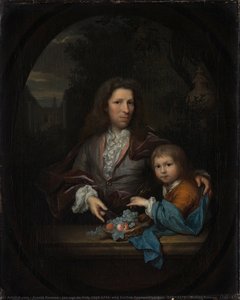
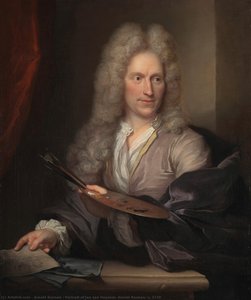
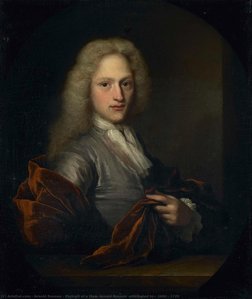
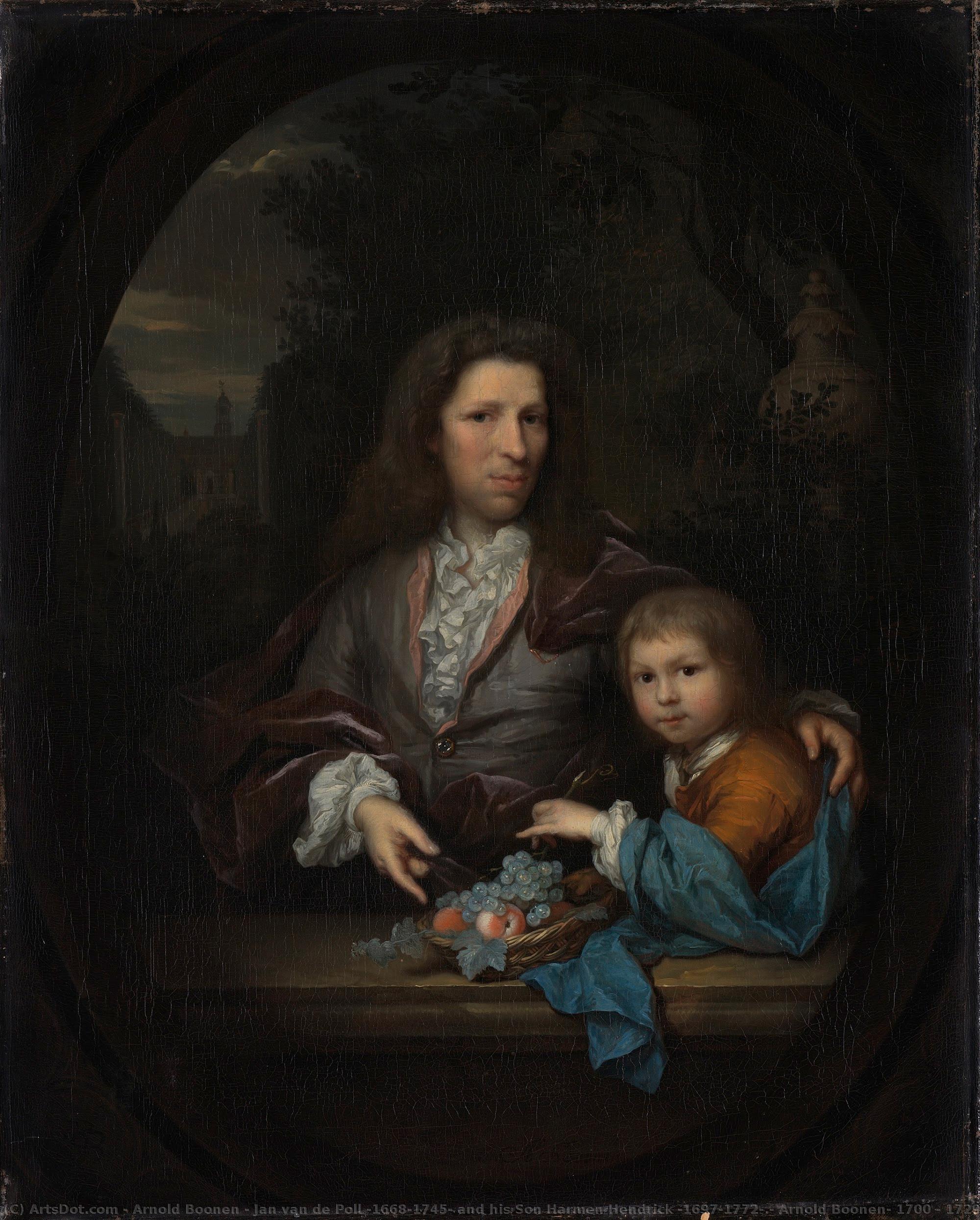
Jan van de Poll (1668-1745) and his Son Harmen Hendrick (1697-1772)., Arnold Boonen, 1700 - 1729
 1729
1729 49.0 x 40.0 cm
 Read More
Hand Made Oil Reproduction
Hand-painted oil on canvas in your size and frame, made to order by our artists. ( Buy Print Buy Image)




































Pick from our preset sizes that match the artwork's original proportions.

You may enter your own dimensions to fit a specific frame or space. If your selected size does not match the original image's proportions, we will either crop the artwork or extend the painting with additional hand-painted elements. A digital mockup will be sent for your approval before production begins.
Please note that the on-screen preview does not reflect the actual cropping or extension. Only the mockup will accurately show the final composition.
While custom sizes are available, we recommend selecting a dimension from the predefined list to preserve the original proportions.
After order, ArtsDot.com team will email client for instructions and provide a mockup preview
Worldwide Delivery () in 3/4 weeks instead of standard 5 weeks. (22 August). No compromise on quality.

Free Worldwide Express Shipping

High-Quality Linen Canvas

Full Shipping Insurance

Customs Tax Refund Guarantee

True Color Matching Guarantee

60-Day Return Policy (Defects Only)

100% Money-Back Guarantee

Bulk Discount Offer
 Glass option is only available in size under 110 CM

Jan van de Poll (1668-1745) and his Son Harmen Hendrick (1697-1772)., Arnold Boonen, 1700 - 1729
Reproduction Medium
Reproduction Size
-


Total Price
$ 263
Artwork Description
Related Artworks



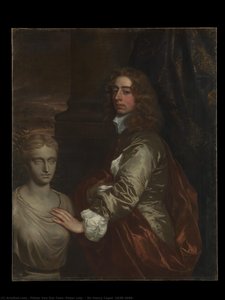
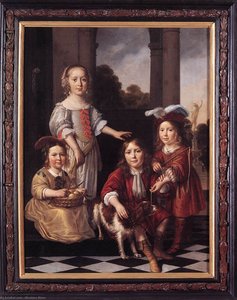


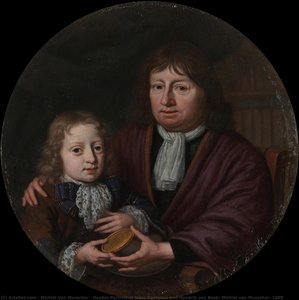

Artist Biography
Arnold Boonen: Bridging Genre and Grandeur in 18th-Century Dutch Portraiture
Arnold Boonen (1669-1729) emerges from the vibrant tapestry of the Dutch Golden Age as a skilled and subtly influential portrait painter. Born in Dordrecht, a city steeped in artistic tradition, Boonen’s career unfolded across decades, marked by a fascinating evolution from genre scenes to a distinguished focus on formal portraits – particularly those capturing the personalities of Europe's most prominent figures. While not immediately recognized as a revolutionary force, his meticulous technique, astute observation, and ability to imbue even stately subjects with a sense of humanity cemented his position as one of the leading artists of his day, quietly shaping the visual language of Dutch society.
Boonen’s early artistic training was rooted in the workshop of Arnold Verbuis and later refined under Godefried Schalken. These formative experiences instilled within him a strong foundation in genre painting, a style characterized by its depiction of everyday life – often illuminated by candlelight, as evidenced by his early works. This penchant for capturing scenes bathed in soft light, creating an atmosphere of intimacy and drama, would later inform his approach to portraiture. However, Boonen’s artistic trajectory shifted decisively when he encountered encouragement to pursue portrait painting, a field where his talent truly flourished. He quickly demonstrated an aptitude for capturing the likenesses of his subjects with remarkable accuracy and sensitivity.
A Master of Light and Detail
Boonen's technical prowess is immediately apparent in his portraits. He possessed an exceptional eye for color, meticulously blending hues to achieve a luminous quality that brought his subjects to life. His compositions were carefully balanced, utilizing light and shadow to sculpt the forms and emphasize key features. Unlike some of his contemporaries who favored overly elaborate or theatrical displays, Boonen’s approach was characterized by restraint and elegance. He skillfully rendered fabrics, textures, and details – from the lace collars of noblewomen to the intricate patterns of court attire – with a level of precision that spoke volumes about his dedication to realism.
A key element of Boonen's style was his ability to capture not just physical likenesses but also the personalities of his subjects. He wasn’t merely reproducing appearances; he sought to convey character, mood, and even subtle expressions. This is particularly evident in his portraits of Peter the Great, a commission that showcased his talent for portraying powerful figures with both authority and a hint of human vulnerability. His ability to translate complex political and social dynamics into visual form made him highly sought after by European courts.
Notable Portraits and Influences
Boonen’s most celebrated works include portraits of prominent figures such as Margaretha van de Eeckhout, the wife of Pieter van de Poel, and Jan van Huysum, a renowned organist. These paintings demonstrate his mastery of capturing the elegance and sophistication of 18th-century Dutch society. The portrait of Margaretha van de Eeckhout, in particular, is notable for its dramatic lighting and evocative portrayal of the subject’s personality. Similarly, Boonen's depiction of Jan van Huysum showcases his ability to render intricate details with remarkable skill – from the musician’s instruments to the folds of his clothing.
Boonen was influenced by a number of artists, including Godefried Schalken, whose style he initially adopted. However, he quickly developed his own distinctive voice, blending genre painting techniques with refined portraiture. His work also reflects the influence of other Dutch masters, such as Rembrandt van Rijn and Frans Hals, particularly in his use of light and shadow and his ability to capture the essence of his subjects.
Legacy and Historical Significance
Despite not achieving widespread fame during his lifetime, Arnold Boonen’s contribution to Dutch portraiture is undeniable. He played a crucial role in shaping the visual culture of the 18th century, providing portraits for European royalty, nobility, and prominent citizens. His meticulous technique, astute observation, and ability to capture both physical likenesses and personalities made him one of the most sought-after artists of his day.
Boonen’s legacy endures through his surviving works, which are now housed in museums and private collections around the world. His paintings offer a valuable glimpse into the lives and times of 18th-century Europe, revealing the elegance, sophistication, and political complexities of the era. He stands as a testament to the enduring power of portraiture – not merely as a means of recording likenesses, but as a vehicle for conveying character, status, and ultimately, the human spirit.
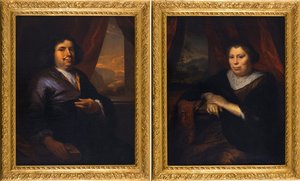
arnold boonen
1669 - 1729 , Netherlands
Quick Facts
- Artistic Movement Or Style: Portraiture, Genre painting
- Artists Or Movements Influenced By This Artist: ['Dutch Golden Age']
- Artists Who Influenced This Artist:
- Arnold Verbuis
- Godefried Schalken
- Date Of Birth: 16 December 1669
- Date Of Death: 2 October 1729
- Full Name: Arnold van Boonen
- Nationality: Dutch
- Notable Artworks:
- Portrait of Margaretha...
- Portrait of Jan van Huysum
- Place Of Birth: Dordrecht, Netherlands